

Sunday Oko and Precious Ajayi (Lead writers)
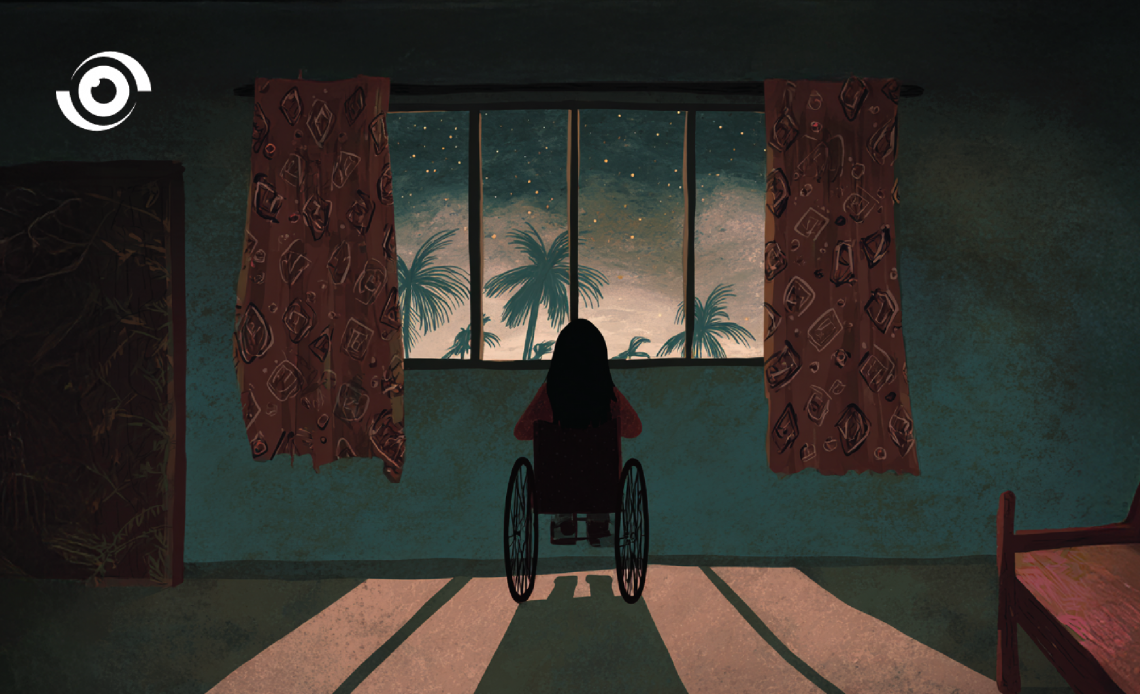
When Amina (not her real name), 15, began vomiting and complaining of stomach pain, her mother’s first thought was that it was an infection. Amina has a developmental disability and communicates with difficulty. At the hospital, they learnt what they never expected. Amina was pregnant. She could not explain what happened. She only repeated the name of a trusted relative who often came to help care for her. For months, Amina could not describe what she had been through, and the adults around her did not know how to help her explain what had happened or report it.
Amina’s story reflects a wider pattern where people with disabilities, especially children and women, face a higher risk of sexual abuse and violence, often by people they know. Yet gaps in inclusive services and justice processes leave many survivors unheard and unprotected. A qualitative study in Lagos suggested that women with disabilities experience multiple forms of sexual harm and often describe health services as insensitive or inaccessible. It also found that reporting and pursuing cases through the justice system is often difficult, especially when communication support is missing. Some survivors speak of living with constant fear that reporting abuse could lead to abandonment by family or caregivers.
A disproportionate burden
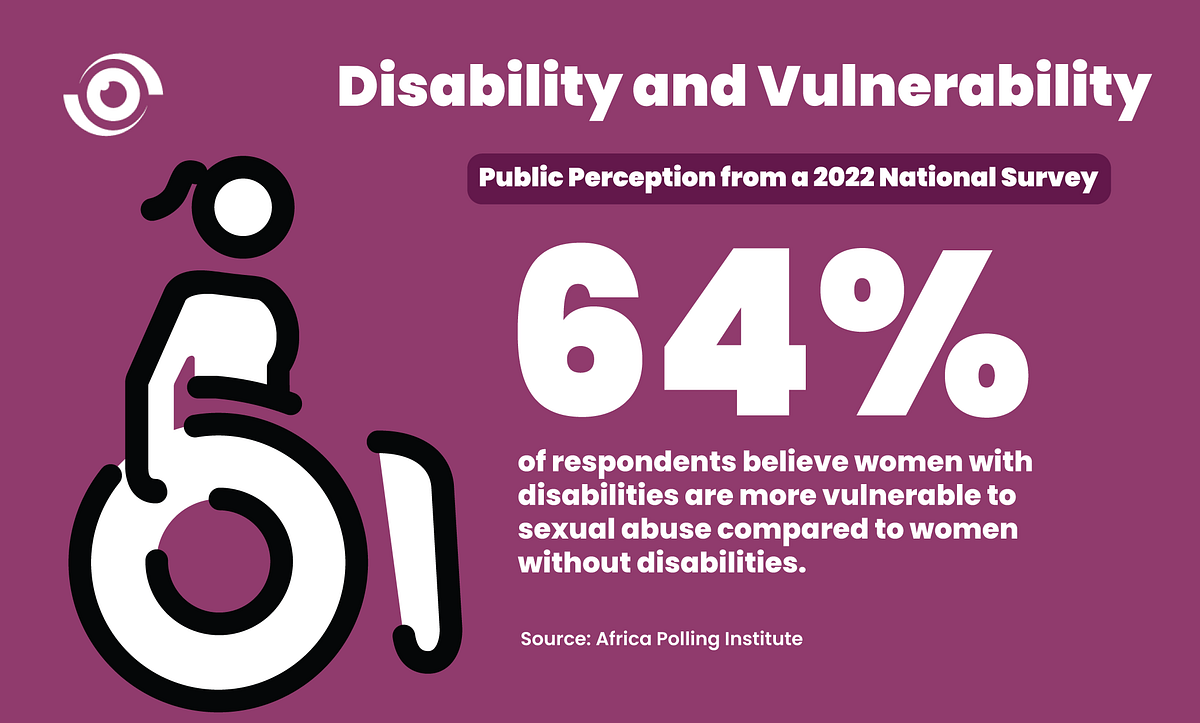
Globally, people with disabilities experience higher rates of sexual violence and face greater barriers to reporting and recovery. The United Nations Population Fund’s (UNFPA) global research into young people with disabilities shows that discrimination, isolation, and inadequate access to sexual and reproductive health rights information increase the risks of sexual and gender-based violence (SGBV). Several other factors contribute to the higher risk of sexual abuse faced by people with disabilities in Nigeria. In a national study conducted in 2022 by the Africa Polling Institute, 64% of respondents said women with disabilities are more vulnerable to sexual abuse than women without disabilities. When nearly two-thirds of Nigerians recognise this heightened risk, government and institutions can no longer claim ignorance. Prevention, reporting channels, investigations, and services must be barrier-free, resourced, and enforced.
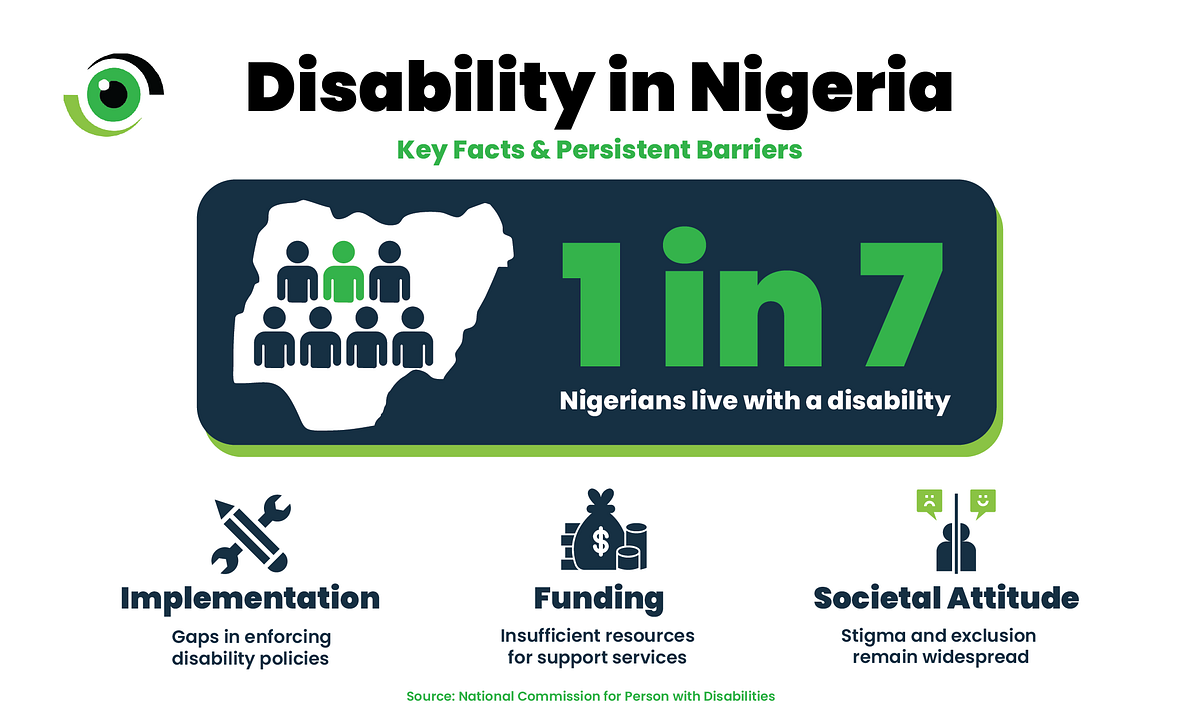
Even when abuse occurs, seeking help is often difficult, especially for people with communication or mobility impairments. Health centres, police stations, and shelters remain physically inaccessible, while reporting mechanisms rarely provide communication support for people with sensory or intellectual disabilities. Inclusive formats such as Braille, plain language, audio, and sign language interpretation are often unavailable to people with disabilities. Stigma further deepens this vulnerability. Harmful societal narratives that portray people with disabilities as asexual, childlike, or easily manipulated diminish the urgency of protecting them. These narratives also make it far less likely that survivors will be taken seriously when they speak out.
Although Nigeria enacted the Discrimination Against Persons with Disabilities (Prohibition) Act in 2019, enforcement remains weak, and that gap sits uneasily with Nigeria’s binding commitments under the UN Convention on the Rights of Persons with Disabilities, signed in 2007 and approved on 24 September 2010. Its Optional Protocol, also approved on 24 September 2010, recognises the CRPD Committee’s competence to receive individual complaints when domestic solutions fail. A concrete manifestation is persistent non-compliance with accessibility requirements in frontline public services (including police stations, courts, and health facilities), which can make reporting unsafe or impossible and leaves survivors with disabilities without clear, usable pathways to protection and remedy.
Four urgent priorities for Nigeria
A set of mutually reinforcing strategies can help reduce the risks of SGBV faced by people with disabilities.
1. SGBV and (sexual and reproductive health and rights (SRHR) systems must become genuinely disability inclusive. This requires embedding disability-specific protocols, such as accessible reporting channels in police stations and Sexual Assault Referral Centres (SARCs), the availability of sign-language interpreters, private and safe spaces within health facilities, and outreach materials produced in plain language and other alternative formats.
2. Stronger enforcement of existing laws is essential. Nigeria’s Discrimination Against Persons with Disabilities (Prohibition) Act (2019) and the Violence Against Persons (Prohibition) Act (2015) provide the legal framework, but real protection will depend on how states domesticate and enforce these laws in practice, backed by targeted, ongoing training for police officers, prosecutors, and magistrates to handle disability-related GBV cases with dignity, survivor-centred sensitivity, and full accessibility.
3. Federal and state governments should prioritise a disability-inclusive minimum package across GBV response points, especially already existing Sexual Assault Referral Centres (SARCs), so survivors with physical, sensory, or intellectual disabilities can access clinical care, forensic support, psychosocial care, and referrals without barriers. This must include communication aids and on-call sign-language interpretation by trained staff, easy-read, pictorial, and local-language consent and information materials, braille and audio options, and disability-competent, trauma-informed case management that protects privacy and does not force survivors to rely on caregivers to report.
4. At the institutional level, better data and deeper community engagement are essential. Collecting disability-disaggregated data and conducting community-based research can improve understanding of prevalence, risks, and effective interventions. Partnering with disabled persons’ organisations and survivors to co-design communication campaigns helps challenge stigma, increase awareness, and normalise reporting. Where feasible, Nigeria should also integrate disability-disaggregated GBV indicators into routine health information systems and link them to national and state dashboards, so Ministries of Health, SPHCDA, and PHC boards, and GBV response actors can identify service gaps and target resources and accountability actions in real time.
The steps for change are clear. Make services usable, enforce the law, and fund survivor-centred care. Above all, listen to survivors and place people with disabilities at the centre of every policy and programme designed to protect them. If policymakers, donors, and health actors keep treating this issue as secondary, the cost will be lives lived in fear and communities that fail those most at risk. Nigeria can and must do better by counting everyone, protecting everyone, and enforcing the rights already set out in law.