

Mahdi Garba and Tzar Oluigbo (Lead writers)
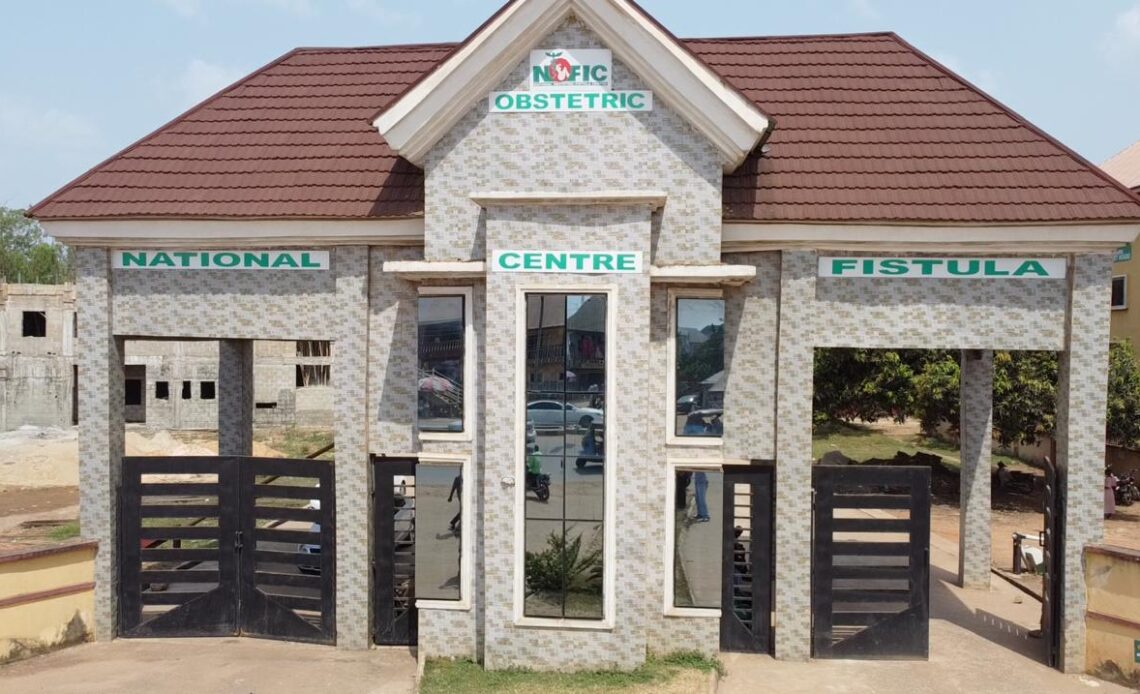
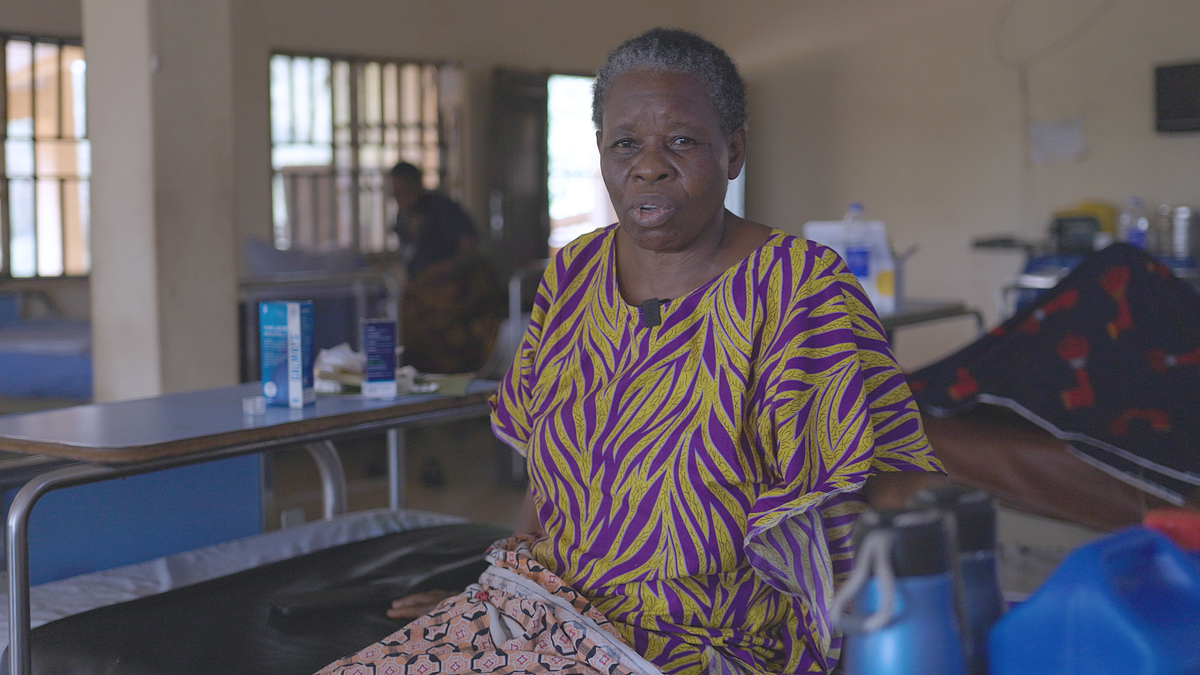
Victoria Ifeanyichukwu, a mother of two from Imo State, arrived at the National Obstetric Fistula Centre (NOFIC) in Abakaliki, Ebonyi State, seeking care after a difficult first pregnancy left her with a vaginal tear, living with incontinence. Clinics she visited offered little help, and the few times she sought treatment, she was told to “wait until my next pregnancy,” she said. Years passed, and the condition dictated her movements. “When I got home, I discovered that the tear was deep. I suffered silently for years, afraid to go anywhere, afraid to be seen,” she recalled.
Obstetric fistula is a preventable childbirth injury that occurs when prolonged, obstructed labour, without timely emergency care, causes an abnormal opening between a woman’s birth canal and her bladder or rectum. The result is a loss of control over bodily functions, most commonly of the urinary system and, in some cases, the bowel. Its most common form is Vesicovaginal Fistula (VVF), which accounts for 40% of the global burden. Yet its impact extends far beyond the physical injury it causes to women’s lives.
Women living with obstetric fistula often experience a disruption to their quality of life, deeply affected as they face discrimination and stigma from family, friends, and their communities. Many withdraw from everyday activities, including family life, religious worship, and social gatherings. Separation and divorce are also common, leaving women isolated, navigating their condition alone. The mental and psychosocial burden of living with obstetric fistula is increasingly recognised, with the World Health Organization (WHO) recommending that psychosocial support be integrated into fistula care.
In response, the National Health Insurance Authority (NHIA) has, since June 2024, expanded support for vulnerable women through a dedicated fistula intervention programme that fully covers transportation, surgery, feeding, post-operative care, and follow-up services at no cost. This is helping to remove many of the barriers that prevent women from seeking care.
Beyond immediate treatment, the NHIA has been working to integrate fistula care into broader health insurance frameworks by enrolling beneficiaries in schemes such as the Basic Health Care Provision Fund (BHCPF) and supporting continuity of care after discharge. Dr. Oje Williams, NHIA’s focal person in Ebonyi State, explained that this intervention is part of a wider effort toward universal health coverage (UHC), ensuring that women are not only treated but also able to access ongoing healthcare for themselves and their families.
The NOFIC in Ebonyi, alongside 17 other facilities across Nigeria, is being supported by the NHIA, in partnership with state health insurance agencies. This approach ensures that funds are channelled directly to healthcare providers, enabling them to offer free or subsidised services to eligible women, ensuring that those in need receive quality care without the burden of out-of-pocket expenses.
For women who travel from other states, their details are shared with focal persons in their home states to facilitate enrolment into health insurance schemes. This helps ensure continuity of care, including access to post-operative services and psychological support.
More than surgical repair
Healing from a fistula is not just a surgical procedure. It is a reclamation of life. For many women, years of suffering leave deep social scars. Some describe their lives before repair as “dead,” cut off from human interaction, hesitant to enter markets, places of worship, or other social spaces. “You smell, and people withdraw from you,” Dr. Williams noted. “This stigmatisation isolates women, leaving them in silence.”
VVF, the most common form of obstetric fistula, remains a significant maternal health challenge in Nigeria. It is particularly prevalent in settings where early marriage, limited access to emergency obstetric care, and low rates of skilled birth attendance increase the risk of prolonged labour. Structural factors also contribute to sustaining its persistence across the country.
Beyond surgical repair, the NHIA fistula intervention programme ensures that women remain connected to the health system after treatment. By registering participants in Nigeria’s health insurance programme, it enables continued access to care without financial hardship.

Financial protection sustains recovery
This continuity of care is critical in a country where healthcare financing remains largely dependent on out-of-pocket payments. According to World Bank Data, more than 70% of total health expenditure in Nigeria is paid out of pocket, exposing millions of households to financial strain. Women, especially those in low-income and rural communities, are disproportionately affected and often delay or forgo care due to cost. For conditions like obstetric fistula, which already carry significant social and economic consequences, the absence of financial protection deepens vulnerability and limits access to post-treatment care.
According to Dr. Williams of the National Health Insurance Authority, enrolment begins before patients are discharged from the hospital. “For many of these women, access to healthcare has always been limited by poverty,” he explained. “By enrolling them into health insurance after treatment, we ensure they can continue to seek care at [their nearest] primary healthcare facilities instead of returning to unskilled providers.”
Beneficiaries are registered in the programme using their personal details, including their National Identification Number (NIN), which allows access to care at accredited primary healthcare centres within their communities. While the programme initially focused on the women themselves, it has since expanded to include their immediate families. Beneficiaries can now register their spouses and biological children under 18, extending financial protection to the household.
In Ebonyi State alone, about 79 women who benefited from the fistula programme have already been enrolled into the health insurance scheme, according to NHIA officials. Women who travelled from other states are also registered through their respective state health insurance agencies upon returning home.
For women who have endured years of isolation and stigma, this comprehensive approach to care is transformative, helping the women rebuild confidence and reconnect with their families. The NHIA’s involvement ensures that recovery is not just medical but also social and psychological, helping women to regain agency over their lives.
Lives transformed in Kano
In Kano State, the NHIA-supported Free Fistula Programme (FFP) is giving women a second chance at life. Childbirth is often a moment of celebration, but for Binta Umar, it was the beginning of profound hardship. A prolonged labour while trying to give birth to her fifth child left her with a tear that caused continuous urinary leakage. “It is even difficult to find someone who would eat food in the same plate with me, not to mention someone who would provide me a place to sleep,” she said.
Binta later learned about a free surgery in Kano, at least 176 kilometres from her home in Jahun Local Government Area (LGA) in neighbouring Jigawa State. Accompanied by her younger sister, she travelled to verify whether the treatment was genuine. It was, and it changed her life.

Dr. Amiru Imam Yola, a fistula surgeon at the Laure Fistula Centre, explained that the facility receives between 30 and 50 patients each month, some requiring reparative surgery, and others not. “NHIA came with a difference. They pay for the services, provide feeding, and transport money. Before, patients often had to sell their belongings to afford surgery,” he said.
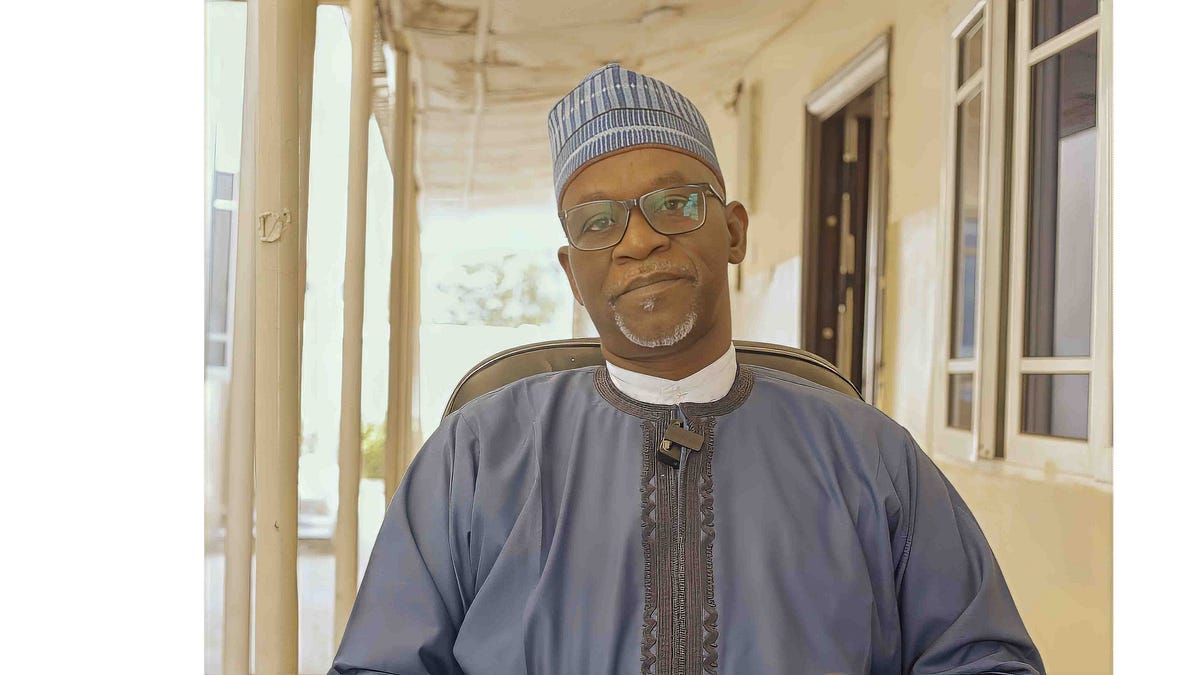
Image credit: Nigeria Health Watch
Mustapha Bichi, the programme’s focal person in Kano, noted that 2,157 women have benefited from the intervention in the state. A significant proportion of these women have been enrolled in the state’s health insurance scheme, helping to sustain access to care beyond surgery.
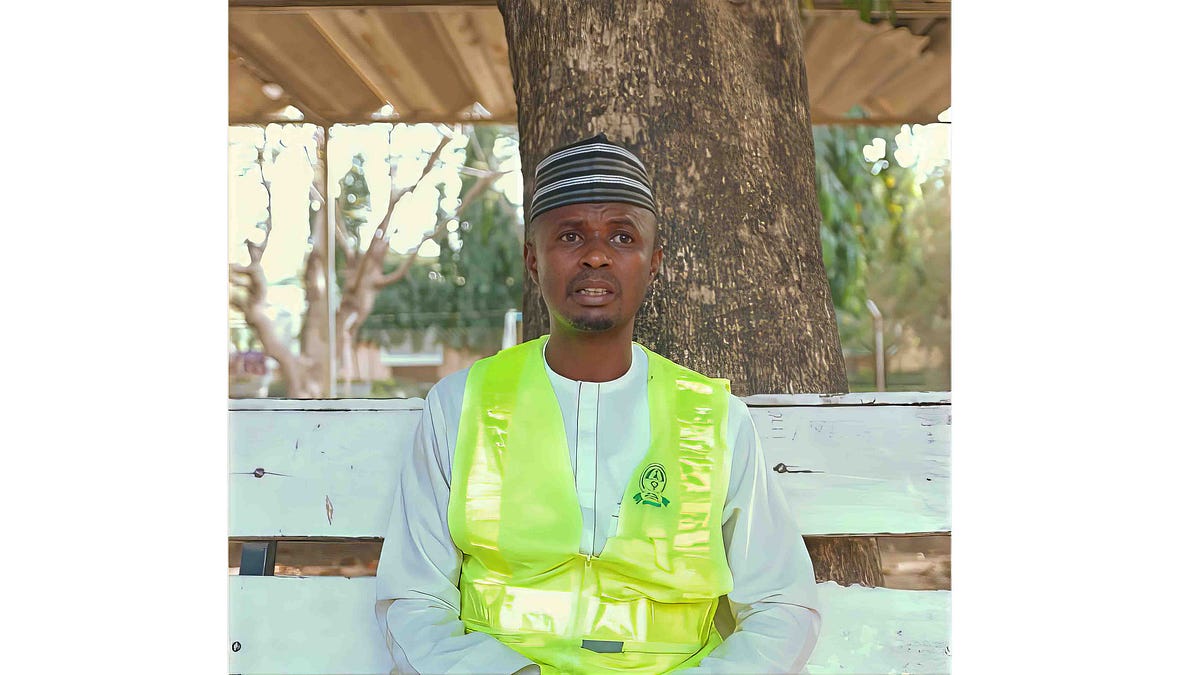
Image credit: Nigeria Health Watch
Challenges, Hope, and Lessons Across States
While NHIA’s interventions in Ebonyi and Kano have been transformative, significant challenges remain. Across both facilities, the number of fistula surgeons is limited, demand continues to outpace capacity, and patient needs are complex. Some women present after failed surgeries or with ongoing infections, while others face social issues such as divorce or estrangement from husbands, issues that extend beyond the scope of clinical care.
“We need more fistula surgeons, more nurses, and consistent government support,” Matron Eko noted. Women continue to have babies, and prevention, alongside access to skilled care, remains critical. While acknowledging NHIA’s impact, she emphasised that progress cannot stop here.
Dr. Williams shared Matron Eko’s perspective, stressing that recovery does not end with surgery. He explained that the centre “insists on family planning before discharge because fistula repair is not the end of the journey. These women must give their bodies time to heal completely. When they conceive again, delivery must be through a planned Caesarean section in a properly equipped facility. A vaginal delivery after repair can rupture the repair and bring them back to where they started. Our goal is not just to fix today’s injury, but to prevent tomorrow’s tragedy.”
Sustaining progress also depends on health worker motivation. Dr. Amiru noted that trained specialists often leave when incentives are low, reducing the number of successful procedures. “If the staff is motivated, we will have more surgeries than we are having now,” he said.
If left unaddressed, these gaps will continue to undermine progress towards universal health coverage. Expanding enrolment alone is not sufficient. What is required is consistency across the system. Dedicated theatres, skilled and supported staff, a welcoming environment, and reliable patient support mechanisms. Together, these are essential to ensure that the care provided to women and girls is not only effective in the moment but sustained over time.