

Chibuike Alagboso (Lead writer)
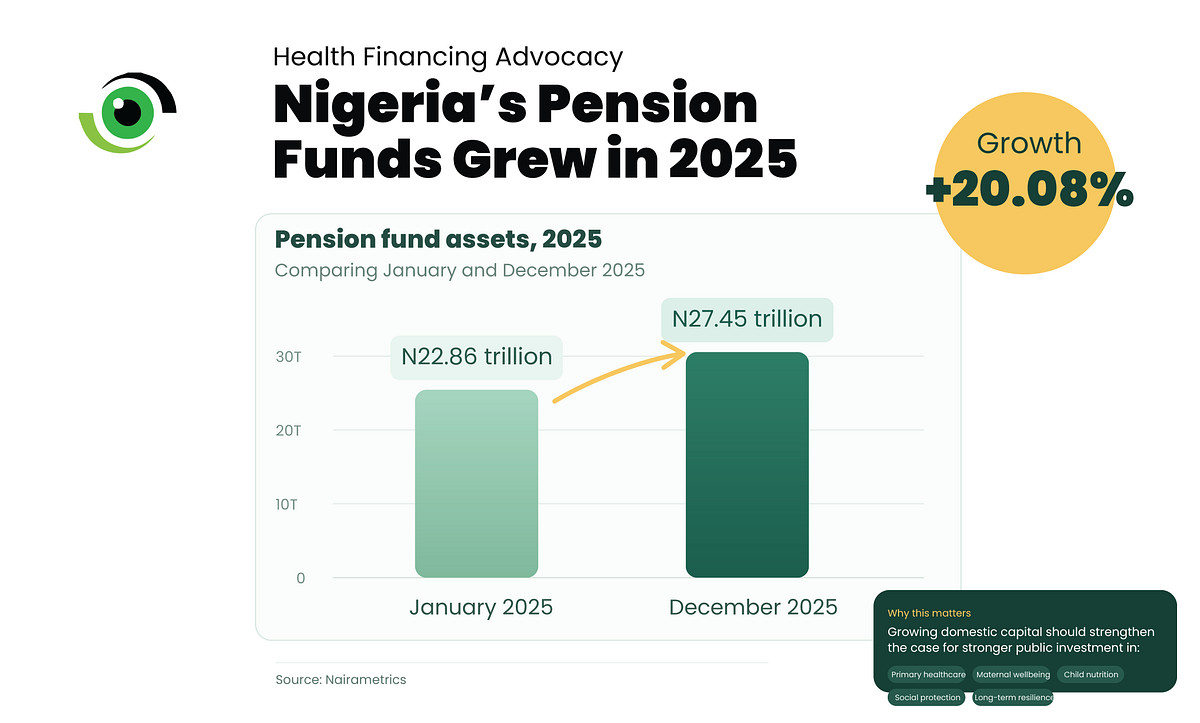
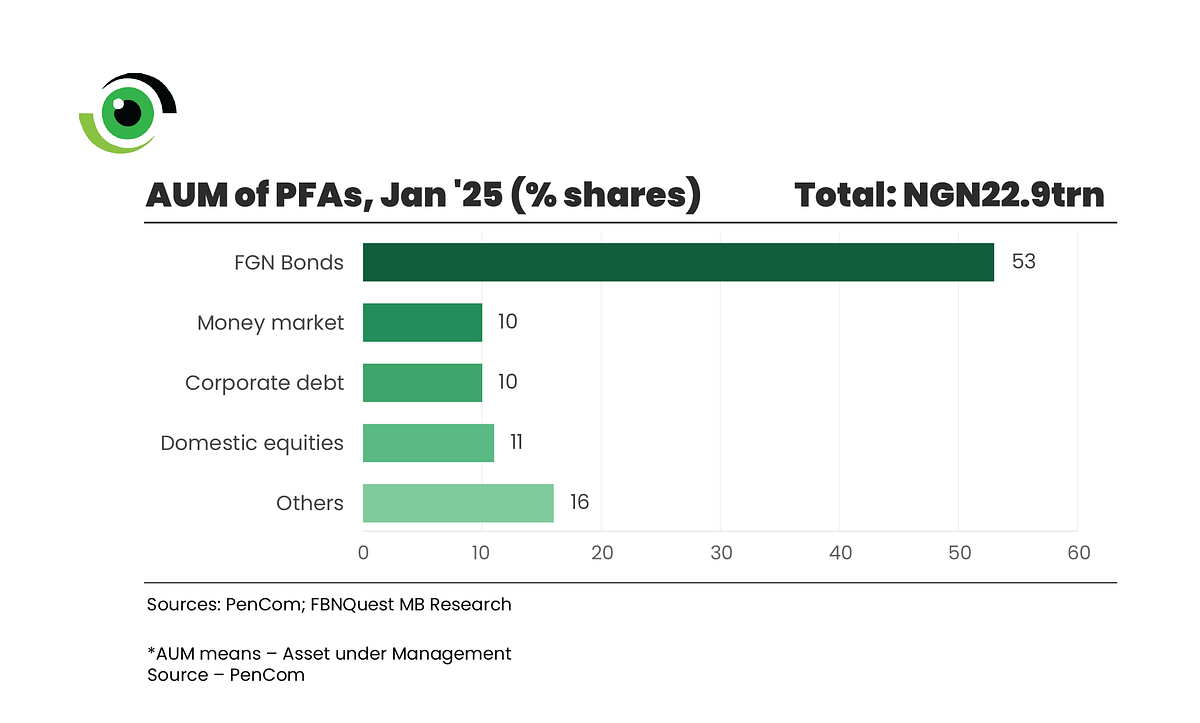
Nigeria’s pension fund assets grew by 20% in 2025, rising from N22.9 trillion in January to over ₦27 trillion by December. However, the bulk of these assets remains concentrated in federal government securities, effectively financing fiscal deficits, while a smaller share is allocated to equities listed on the stock exchange.
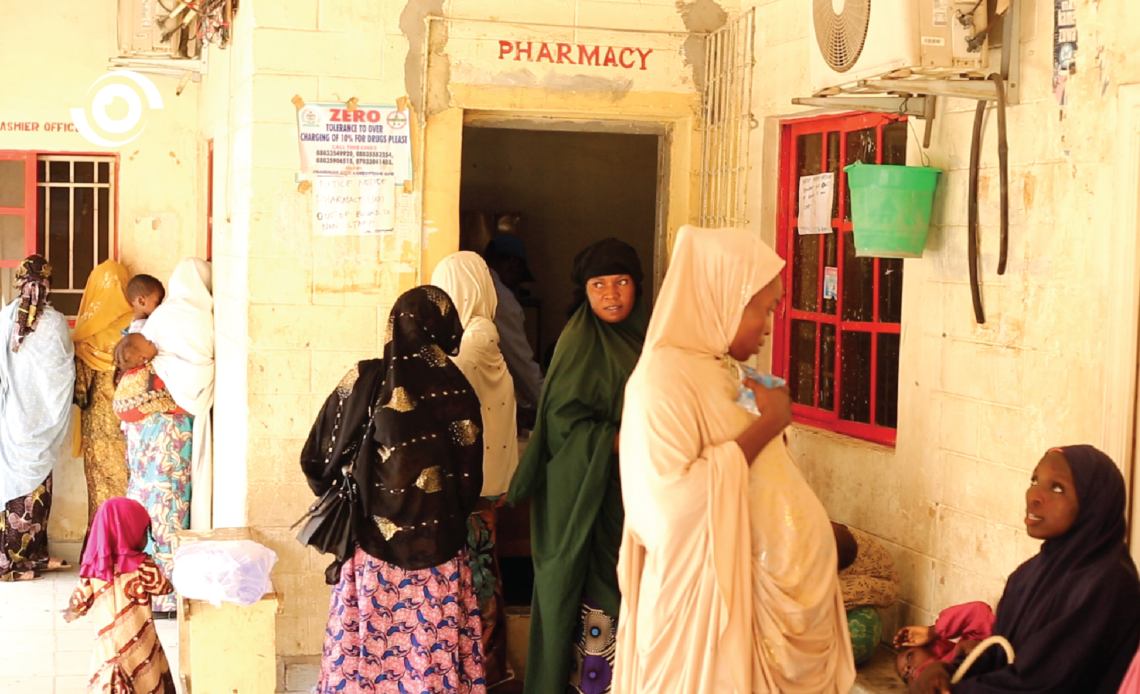
While these are relatively safe investments, they do little to strengthen Nigeria’s healthcare system, whether repairing the roof of a primary health care (PHC) centre or building an oxygen plant in a general hospital. To put it into perspective, a civil servant who contributes to a pension fund for 30 years, retires, and then realises that the health system meant to care for them as they age barely functions. They receive pension payouts, but the infrastructure needed to keep retirees alive and healthy is lacking.
That is a gap that pension funds can help address, especially as life expectancy has continued to increase, from 54.1 years in the 2000’s to 63.4 in 2021. While the chronic underfunding of Nigeria’s health sector is no longer news, what deserves ongoing attention now is where new funding can come from, and pension funds present a compelling, underutilised opportunity.
The money is there, the health system is not
Nigeria’s pension industry is likely to keep growing, with the government planning to support this by focusing on the informal sector through authorised pension agents. With over ₦27 trillion in assets under management, the pension sector is among the largest pool of domestic capital on the continent.
The legal framework for investing pension funds in healthcare infrastructure is already being established. Last year, the National Pension Commission (PenCom) updated its rules, requiring that at least 50% of the assets in any pension-backed infrastructure fund be invested in Nigerian projects, with stringent governance rules to protect contributors.
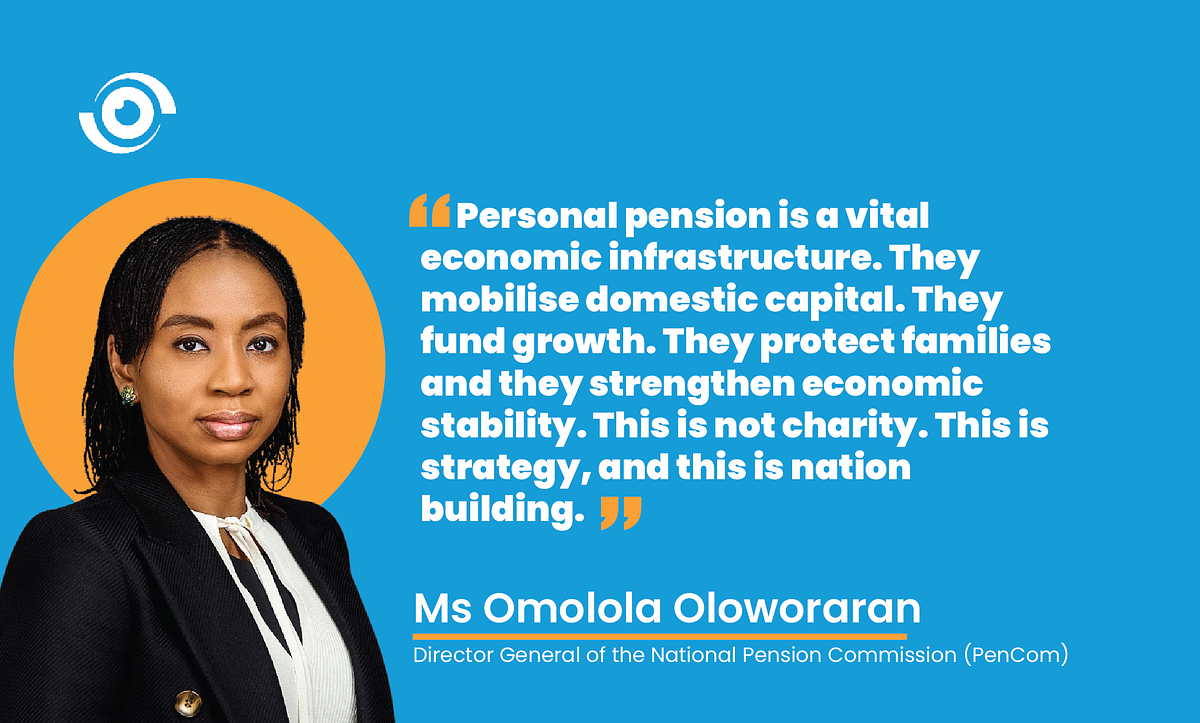
In February 2026, the Director General of PenCom, Omolola Oloworaran, explained that “personal pension is a vital economic infrastructure. They mobilise domestic capital. They fund growth. They protect families, and they strengthen economic stability. This is not charity. This is strategy, and this is nation building.”
Yet, the central question remains whether a portion of these funds is being directed to healthcare, a sector that directly affects the quality of life of contributors and their families. There is increasing recognition that the focus must move beyond capital preservation toward investments that generate tangible benefits for contributors and national development.
With global health funding facing cuts, African countries are rethinking how to sustainably finance their health systems, especially as the cuts are projected to lead to more deaths and higher borrowing costs. Ghana’s President, John Dramani Mahama, has been one of the most vocal advocates for reducing dependence on external aid and mobilising domestic capital through the ‘Accra Reset’, an initiative he has been championing.
For African countries to build health systems that serve their people, reliance on external financing must reduce. For Nigeria, with the largest pension asset base in West Africa, pension funds offer a viable pathway to turn that ambition into reality. Investing pension funds in healthcare is not a nice-to-have; it is a sound economic proposition.
Healthcare infrastructure, such as hospitals, diagnostic centres, pharmaceutical manufacturing, and operational PHCs, can deliver stable, long-term returns while fulfilling vital national needs. Crucially, these investments do not always require purchasing costly or state-of-the-art medical equipment or building ultra-modern health facilities that remain underused; instead, partnerships and collaborations can utilise existing resources.
Instead, investments can focus on areas that require lower levels of investment but deliver the most value and impact, such as primary healthcare, where most healthcare needs should be met. A good example of a high-value, high-impact initiative is the Adopt a PHC, established by the Private Sector Health Alliance of Nigeria (PSHAN), which demonstrates how private-sector resources can be integrated into existing structures to strengthen PHC systems.
It is also worth noting that initiatives like PenCARE, a corporate social responsibility programme supporting retirees’ healthcare needs, reflect a growing recognition within the pension industry that healthcare and retirement are closely linked.
Not new
The idea of channelling pension capital into health infrastructure is not new. In South Africa, the Public Investment Corporation (PIC), which manages over R2.69 trillion on behalf of the Government Employees Pension Fund, holds significant stakes in major private hospital groups and pharmaceutical firms. The PIC is the largest shareholder in Netcare, which operates more than 49 hospitals, and also holds roughly 23% of Life Healthcare Group.
In Namibia, the Government Institutions Pension Fund (GIPF) acquired a direct 49% stake in Tsumeb Private Hospital to enhance specialist healthcare in underserved areas, showing that pension capital can be invested directly in healthcare facility ownership. GIPF has since allocated N$3.3 billion to sectors such as healthcare facilities and pharmaceutical investments, as part of its broader developmental investment strategy.
In Ghana, although its pension asset base is smaller than Nigeria’s, regulators are exploring the use of pension funds for healthcare investments. Ghana’s pursuit of this option, despite having fewer resources, should inspire Nigeria. At the 2025 West Africa Healthcare Forum, Dr Anna van Poucke, KPMG’s Global Head of Healthcare, referenced lessons from over 70 countries to demonstrate how blended finance, public-private partnerships, and other innovative funding models are already transforming healthcare delivery, a model Nigeria could replicate.
While serving as Special Adviser to the President on Finance and Economy, Dr Sarah Alade identified pension funds as one of the innovative sources the government was exploring to improve investments in health infrastructure. So, it is not new. However, it is not clear if this is being implemented at scale and sustained after the last administration.
Guardrails matter if the system will work for all
Implementing and expanding these initiatives relies on robust governance, as contributors need assurance that their funds are secure and not invested without proper due diligence and ongoing oversight. This highlights the importance of the strict regulatory measures introduced by PenCom.
Separate, protected accounts, independent audits, and clear oversight frameworks are not bureaucratic obstacles; they are essential safety nets that protect contributors’ retirement savings while enabling productive investment in key sectors such as healthcare.
Nigeria has the capital, policy, and implementation capacity needed to transform its health sector. With stronger political commitment to use existing resources effectively, a regulatory framework, and proven models from across Africa and beyond, the essential elements are in place.
Pension funds have a clear role to play in healthcare financing, yet this potential remains largely untapped. Investing pension capital in healthcare is not a risk to be avoided. It is a valuable opportunity we cannot afford to overlook.