

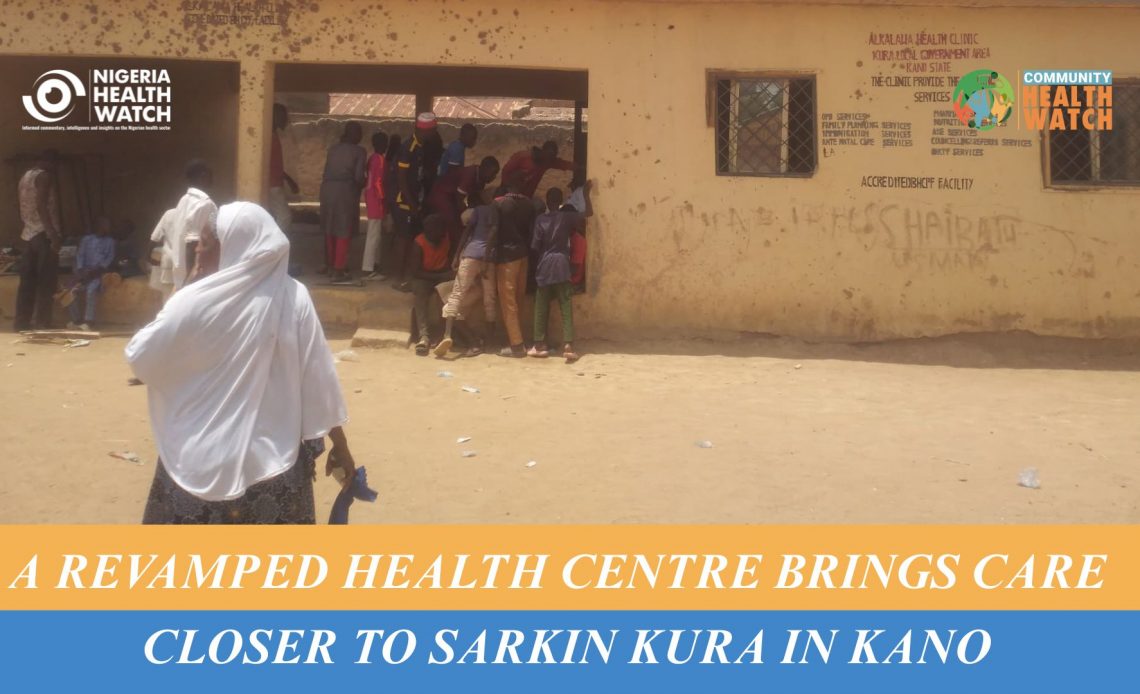
For years, childbirth in Sarkin Kura community meant confronting danger. The journey to the Primary Healthcare Centre (PHC) was often filled with uncertainty, and for many women, labour that began at night meant delivering without skilled medical support. Today, that story is gradually changing.
For residents like Lawan Ali, the chairman of persons with disabilities in the community, the transformation of the PHC has brought renewed dignity. “Before now, accessing healthcare felt like begging for help. Today, we can walk into the facility knowing someone will attend to us,” he said.
Sarkin Kura, located in Kura Local Government Area (LGA) of Kano State, has long faced systemic healthcare challenges common in many rural communities in Nigeria. Poor road conditions, understaffed health facilities, and inadequate infrastructure discouraged residents, especially pregnant women, from seeking care at the PHC.
During a town hall meeting organised through a collaboration between Nigeria Health Watch, AKin Savvy, and the Primary Healthcare Management Board, residents shared troubling experiences of neglect, inadequate services, and the absence of accountability in healthcare delivery.
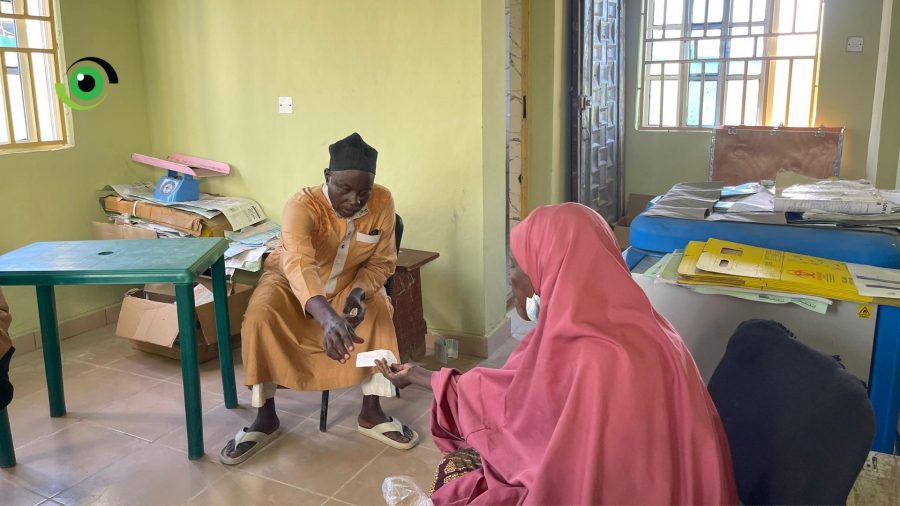
Although the IMPACT Project had improved the PHC’s labour room, the facility still struggled with limited staff, inadequate equipment, and restricted service hours, leaving many women vulnerable during childbirth.
The emotional weight of these challenges was evident in the voices of community members.
A traditional ruler at the meeting captured the reality many women faced, :
“Women cry during labour not just from pain, but from how they are treated.”
Habiba Mustafa, a mother in the community, also described the relief families now feel knowing that health services are more organised and accessible.
Halima Saleh Danbatta, the Officer-in-Charge of the facility, noted the improvements are already changing health-seeking behaviour in the community.
Before the town hall engagement, the facility recorded only 379 health insurance enrollees over four years. However, within just two weeks after the engagement, an additional 618 residents registered, including 92 people in a single day.
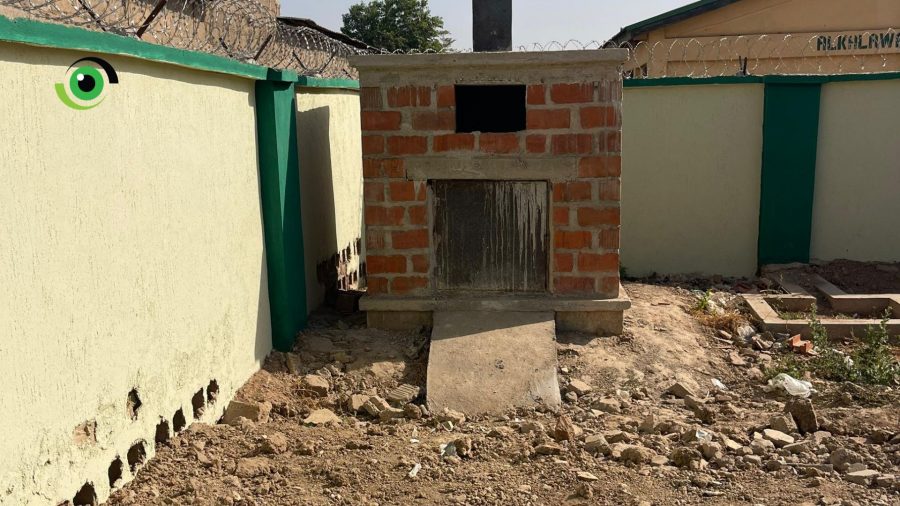
The PHC now operates 24 hours daily, addressing one of the community’s major concerns. Additionally, six trained midwives have been recruited, while three retired doctors, an ophthalmologist, a maternity specialist, and a general physician, have returned to support service delivery.
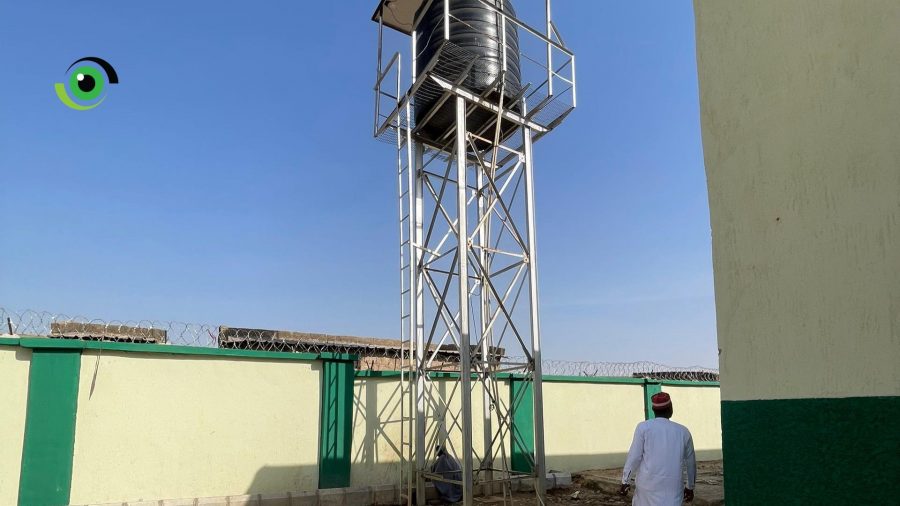
Infrastructure improvements have also strengthened the facility’s capacity. A solar-powered borehole with a 10,000-litre capacity now provides a reliable water supply for both the PHC and nearby households. These changes have improved maternal care, antenatal services, and general healthcare delivery.
However, important gaps remain. The facility still lacks a functional pharmacy, and additional skilled personnel are needed to sustain the progress and meet the growing demand for services.
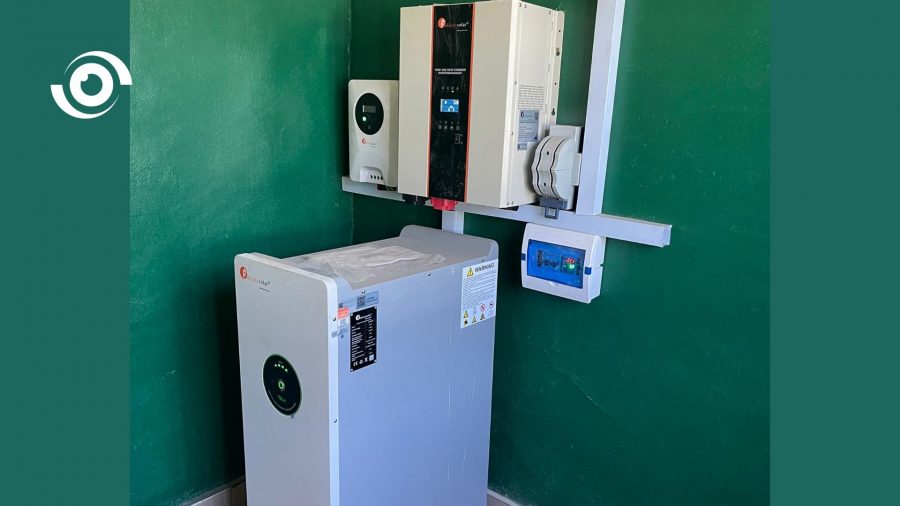
The transformation in Sarkin Kura reflects the vision of Nigeria’s Health Sector Renewal Plan, which prioritises building an efficient, equitable, and quality health system through revitalised Primary Health Care services.
To sustain these gains, stakeholders must:
- Deploy a resident medical doctor and community pharmacist to the facility.
- Establish a functional pharmacy to improve access to essential medicines.
- Continue strengthening community engagement and accountability mechanisms in healthcare delivery.
As Sarkin Kura’s PHC begins to regain the trust of its people, the message is clear: when communities, leaders, and health systems work together, even long-standing healthcare challenges can give way to hope and safer futures for mothers and children.