

Rahima Shehu Dokaji (Lead Writer)
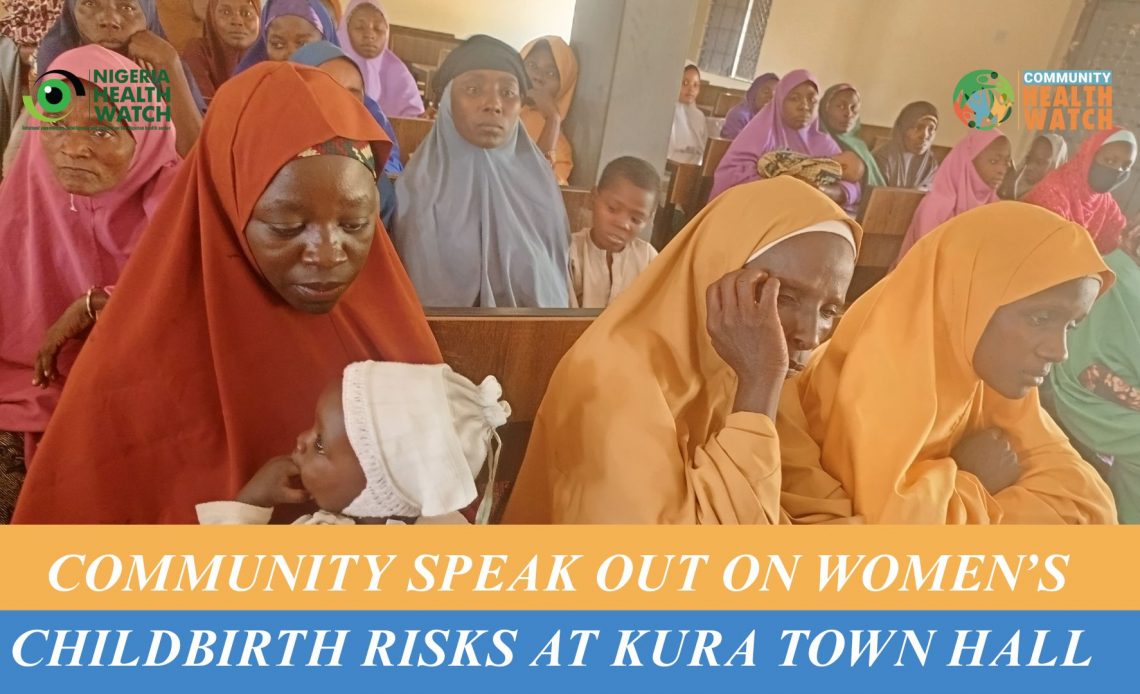
During a town hall meeting at Kura Local Government Area (LGA), Kano, community voices reveal that gaps in health insurance, staffing, and facility readiness can turn childbirth into a risky ordeal rather than a moment of hope.
Alkalawa Primary Healthcare Centre (PHC) in Kura is a Level 2 health facility that serves several surrounding communities. It is expected to provide essential maternal, child health and immunisation services, and functions as a referral point for pregnant women in labour. While the facility has benefitted from upgrades under the Immunisation Plus and Malaria Progress by Accelerating Coverage and Transforming Services (IMPACT) Project, it still faces significant challenges.

Residents report that women travel long distances, often several kilometres from neighbouring settlements to reach the facility. This journey is made more difficult by poor roads, limited transportation options, and a lack of funds. Although the PHC records steady daily patient flow, service access remains uneven, especially for uninsured and low-income households.
“Women cry during labour not just from pain, but from how they are treated,” said Aliyu Yakubu, a traditional leader from Alkalawa. Another resident, Baba Habibu, shared that “when there is a problem, we do not even know where to complain. Many of us do not have phones or contacts to report issues.”
The Officer-in-Charge of Alkalawa PHC, Halima Saleh Danbatta, confirmed that delivery services have improved following the labour room upgrade, but noted persistent gaps.
“The facility now provides more essential health services, and the long-standing challenge of delivery care has been addressed through an upgraded labour room under the IMPACT Project. We, however, still lack essential equipment like a Pack Cell Volume (PCV) machine, a lack of potable water, insufficient staff, especially medical doctors, and enough birth attendants,” she said, adding that these shortages increase staff workload and affect the quality of care.

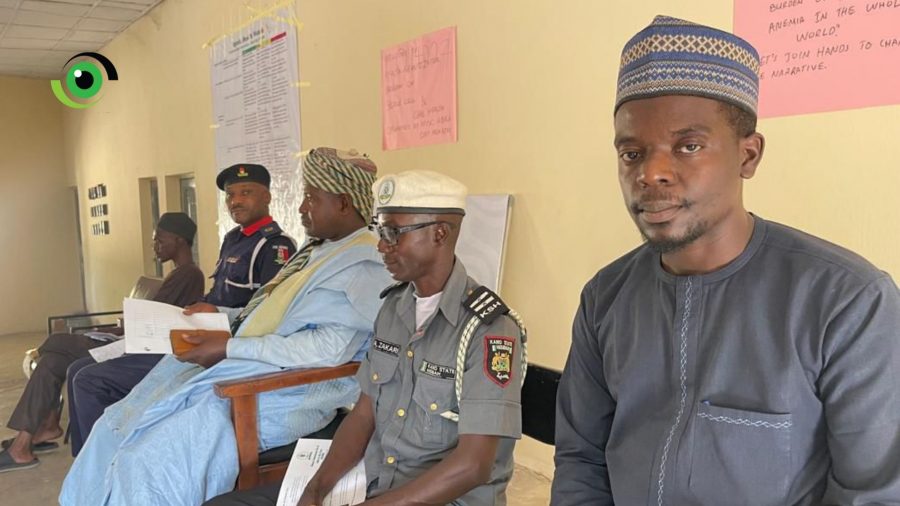
Dr Mohammed Muktar Gora, Director of Standards and Quality Assurance of the Kano State Contributory Healthcare Management Agency (KSCHMA), explained available health insurance packages and complaint channels, acknowledging that awareness remains low. Residents must therefore report issues through the facility heads or the Ward Development Committees (WDCs) whenever they encounter issues in health facilities.
Limited staffing, equipment shortages, and weak accountability mechanisms continue to strain the delivery of services. Despite ongoing reforms, poorer households, and women without insurance face greater barriers, reinforcing inequities in maternal care access.

The realities in Kura highlight the urgent need to translate this vision into practical improvements at the PHC level, which align with the second pillar of Nigeria’s Health Sector Renewal Plan for 2023–2027.
The community are hereby calling on stakeholders and policy makers to;
- Strengthen transparency in health insurance enrolment and complaints handling.
- Equip PHCs with essential equipment and adequate staffing.
- Expand community awareness on patient rights and accountability channels.
“No woman should fear giving birth,” Aliyu Yakubu reflected. “With the right support, our health centres can truly protect mothers and children.”