



Olubunmi Oyebanji, Onyedikachi Ewe, and Chinwendu Iroegbu (Lead writers)
“For every $1 invested in maternal health, it yields $9 in economic returns for the community and society,” says Isra Chaker, Founder and CEO of Every Pregnancy. This is why saving women during childbirth is not only a health priority, but also a clear development and economic investment. It is this thinking that sits behind her work as a human rights advocate focused on transforming maternal and newborn health.
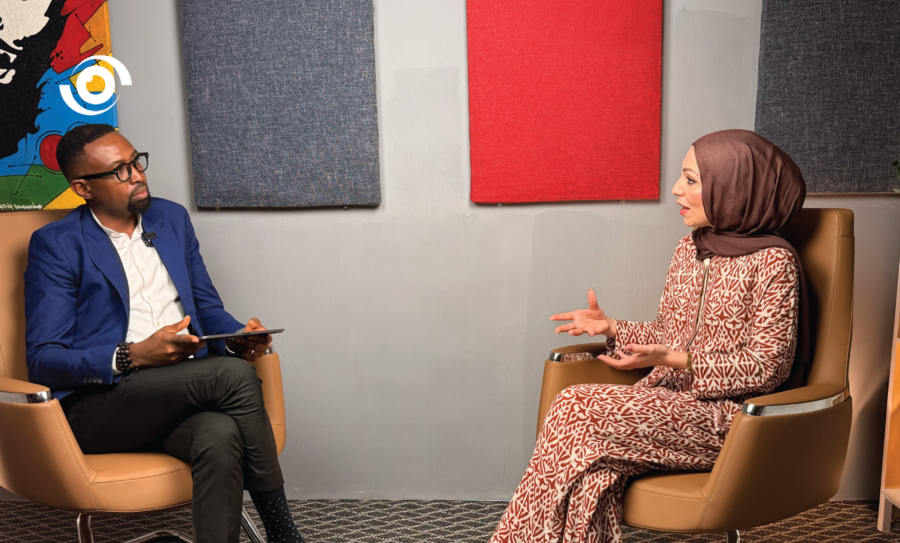
In a Curated Conversations with Nigeria Health Watch, Isra Chaker reflects on what led her to establish Every Pregnancy. The starting point was not initially clinical, but rooted in values, generosity, and visibility. How can Muslim communities be encouraged to prioritise maternal health with the same urgency as they give to food, water, and emergency relief?

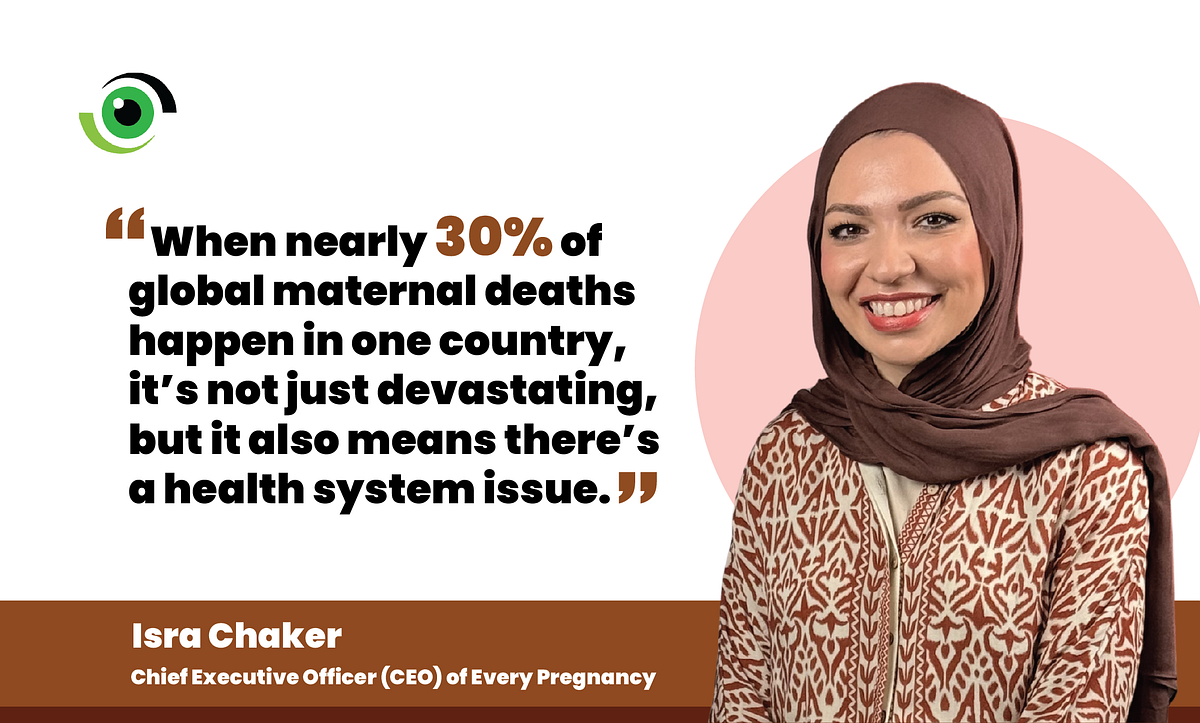
For Chaker, this question points to a deeper disconnect. The need is urgent, the solutions are known, and the capacity to give exists, yet maternal health has not always been sufficiently visible within one of the world’s most active faith-based giving communities.
She shares how simple, low-cost innovations can strengthen how health workers respond to emergencies such as postpartum haemorrhage, one of the leading causes of maternal death, while also rethinking how philanthropy and faith-inspired giving can be mobilised to fund lifesaving maternal health interventions and bring maternal survival closer to the centre of public attention.
In Nigeria, where the maternal mortality ratio is estimated at993 deaths per 100,000 live births, that urgency is clear. However, Chaker’s argument is not that Nigeria is waiting for external aid. Rather, she sees Nigeria’s maternal health crisis as a systems challenge, one that must be addressed by placing those closest to the system at the heart of the response.
“There’s so much happening and incredible work that’s happening,”she said. “It’s more about what the gaps are, and how people and organisations like Every Pregnancy can strengthen, support, and really drive the change that is needed through Nigerian leadership.”
Every Pregnancy does not position itself as a substitute for government, health workers or local organisations. Its role is to connect giving communities with frontline organisations that understand local needs, ensuring that resources reach mothers and newborns at the right place and at the right time.
Before leading Every Pregnancy, Chaker worked as a global human rights advocate, including at Amnesty International. She views maternal health through that lens. “This is a critical human right,” she said. “Human life is sacred. And so, the fact that we have a crisis of mothers and babies dying from preventable complications in pregnancy and childbirth is fully aligned with my human rights background.”
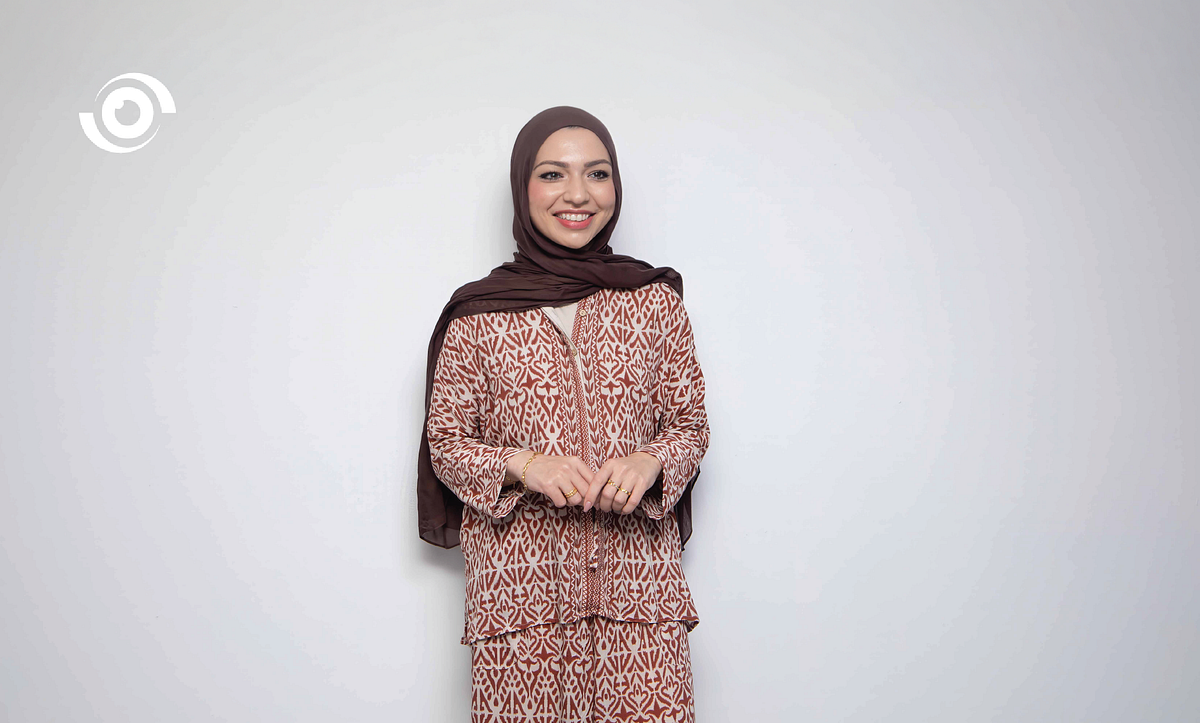
Her personal experience also influences her work. After becoming a mother and managing pregnancy complications with access to doctors, scans and emergency support, she recognised the privilege many women do not have. “It is heartbreaking,” she said, “but it is also preventable.”
That word, “preventable”, is crucial. Women are not dying because the world does not know what to do. They are dying because proven interventions, skilled care, commodities, emergency transport, blood, respectful care, and functioning referral systems are not consistently available where and when they are needed.
Every Pregnancy was established to help close part of that gap. Chaker said the organisation started as a campaign after she was asked how the Muslim community could be encouraged to prioritise maternal health, as it already prioritises food and water.
Religious practices such as Zakat and Sadaqah mobilise significant resources, especially during Ramadan. Maternal health, however, has not always received the same level of public awareness, even though many Muslim-majority and crisis-affected contexts bear high maternal and newborn health burdens.
For Chaker, the issue was not a lack of willingness to give. It was that maternal health had not been made visible, relatable, or urgent enough. That is why the For Mama campaign was launched, not as a one-off fundraiser, but as a bridge between donors and frontline organisations.
The campaign evolved into Every Pregnancy, a coalition of over 50 frontline organisations across more than 20 countries. In March 2026, it announced that its Ramadan campaign had mobilised $91 million in 30 days, and that since 2024, the coalition had raised nearly $130 million for maternal and newborn health worldwide.
The importance lies not only in the amount raised, but in the shift towards viewing maternal health as a collective responsibility within a culture of giving. As Chaker explained, “This was not going to be solved by one person alone, not one entity alone. It had to be a coalition effort.”
That coalition model is one of Every Pregnancy’s clearest differentiators. It connects giving communities with frontline organisations that understand local needs, while strengthening traceability from donation to implementation and impact. This matters because the aid environment is changing.
Official development assistance (ODA) from Development Assistance Committee (DAC) members and associates declined by 23.1% in real terms in 2025, while bilateral ODA to sub-Saharan Africa fell by 26.3%. Philanthropy cannot replace government funding, but when it is transparent and aligned with national priorities, it can help bridge practical gaps.
For Nigeria, these gaps are well known. A woman might need care but not be able to afford the transport. A facility might have dedicated staff but lack essential supplies. A complication might be recognised too late. A family might delay seeking care because of cost, distance, fear, previous poor treatment or lack of trust.
Nigeria’s Maternal Mortality Reduction Innovation Initiative (MAMII) provides a single-entry point for coordination. It aims to reduce maternal and newborn mortality by strengthening demand and supply for quality services across communities, primary health care facilities, and emergency obstetric care centres, while expanding death surveillance and response.
For philanthropy to be effective, it must not establish a separate system. It should support Nigeria’s priorities. Faith-inspired and community-based giving can help fill gaps such as referral transport, commodities, blood supply, maternal nutrition, health worker support, respectful care, and community mobilisation when directed through credible frontline organisations and aligned with national and state plans.
This kind of targeted support has effects that extend well beyond the point of care. A mother’s survival strengthens the stability of her household, improves the chances that her children are cared for, and benefits her community through her labour and knowledge. Maternal survival is therefore not only a moral obligation; it is part of the economic foundation of healthier societies.
It also changes how maternal health is communicated. Chaker emphasises that statistics alone rarely move people to act. “The most important thing to move people to take action is first-person stories,” she said. For Every Pregnancy, storytelling is part of the strategy, but it is not based on pity.
Chaker avoids imagery that diminishes people’s dignity, instead portraying women, families, and communities with resilience, courage, capacity, and agency. Maternal health advocacy should not reduce rural women, poor communities, or faith communities to symbols of suffering.
One practical example Chaker discussed was postpartum haemorrhage, a leading cause of maternal death. In many facilities, blood loss after childbirth is still estimated visually, which can delay response. A calibrated blood-collection drape helps healthcare workers measure blood loss more accurately and recognise danger earlier.
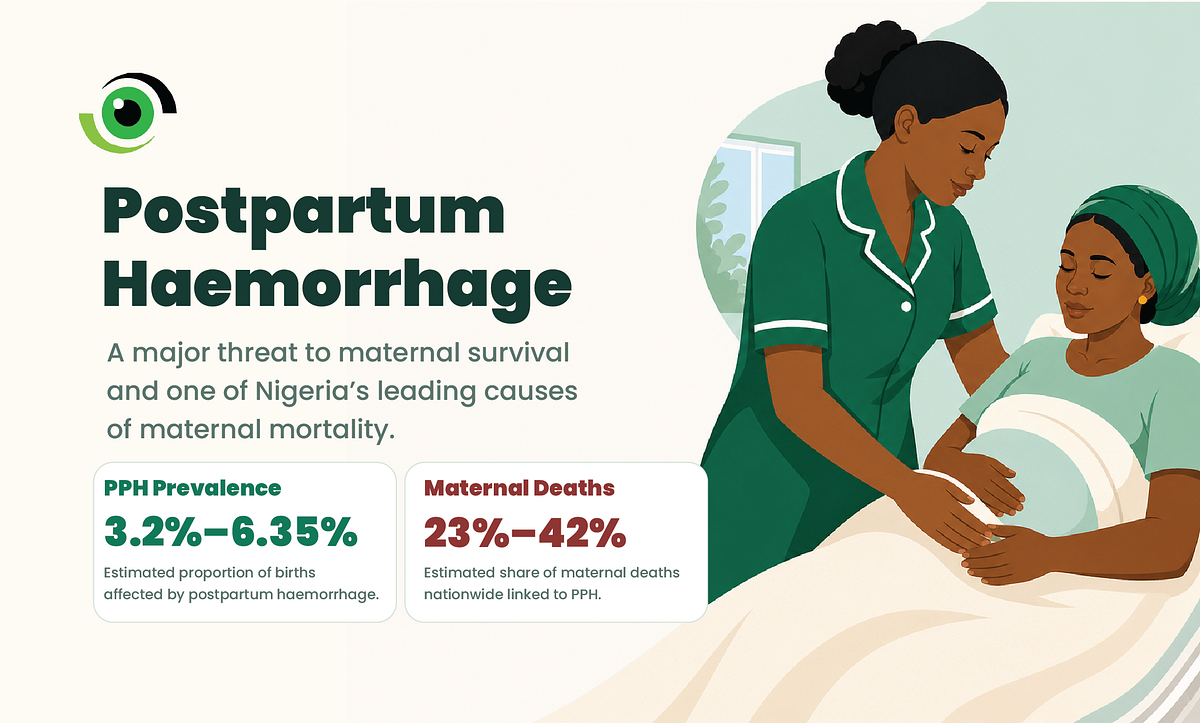
For Chaker, the drape is important because it shows how affordable tools can prevent delays when used by trained teams within functional systems. However, a single tool cannot eliminate maternal mortality. The E-MOTIVE approach combines early detection of postpartum haemorrhage with initial response treatments, and a landmark WHO study reported a 60% reduction in severe bleeding.
For Nigeria, the lesson is that simple tools only work effectively when they are available in proper facilities and supported by trained health workers, supply chains, referral systems, and accountability.
Every Pregnancy’s long-term goal is deliberately bold. Chaker said success would ultimately mean the organisation no longer needs to exist because preventable maternal mortality has been eradicated. In the short term, she wants the coalition to expand to more than 150 organisations by 2030, with many based in countries such as Nigeria, Mali and Afghanistan, and to mobilise more than $200 million for maternal and newborn health globally.
Maternal survival should be treated as a shared priority before childbirth becomes an emergency. Nigeria does not need advocacy that only repeats the scale of the crisis. What Nigeria needs now is advocacy that connects the crisis to solutions, funding, implementation, and accountability.
Isra Chaker’s conversation is a story about what becomes possible when maternal survival is recognised as a public and economic priority. It is also a shared community responsibility. The bigger challenge is whether Every Pregnancy’s early momentum can be aligned with national leadership and sustained public investment.
No mother’s survival should depend on where she gives birth or be determined by the availability of financing. A safe pregnancy should be the minimum expectation in a society that values women’s lives.