
Maureen Moneke and Favour Ani (Lead writers)
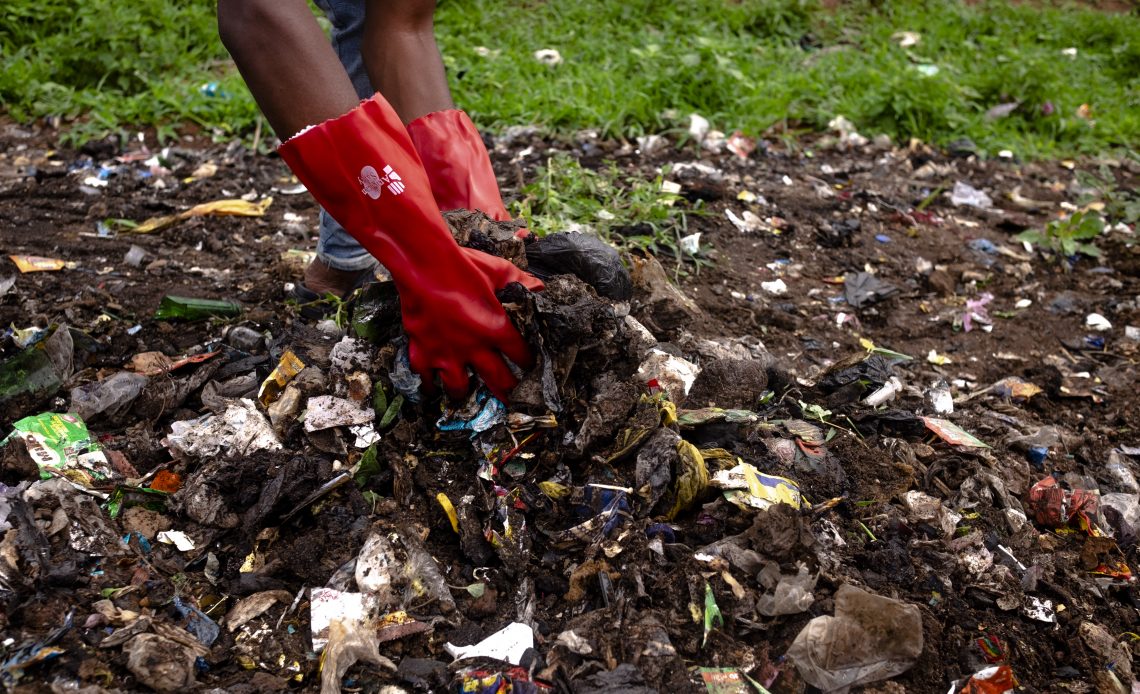
In Dogongada, a community in Nigeria’s Federal Capital Territory (FCT), roadside dumping was a daily sight. The dumping blocked walkways and provided breeding sites for mosquitoes, increasing health risks. “This place used to smell, but now the environment is cleaner and healthier,” says Temitayo Olatunde, a resident of Dogongada. Things began to change when a small group of young volunteers arrived with gloves and sacks in hand and started clearing the roadside garbage, free of charge. They were part of the CleanSweep project, an initiative run by Feexet Limited, to address illegal dumping hotspots and waste evacuation gaps through community action and digital innovation. For residents like Temitayo, it was the first visible, organised attempt to address a problem many had come to accept.

Image Credit: CleanSweep
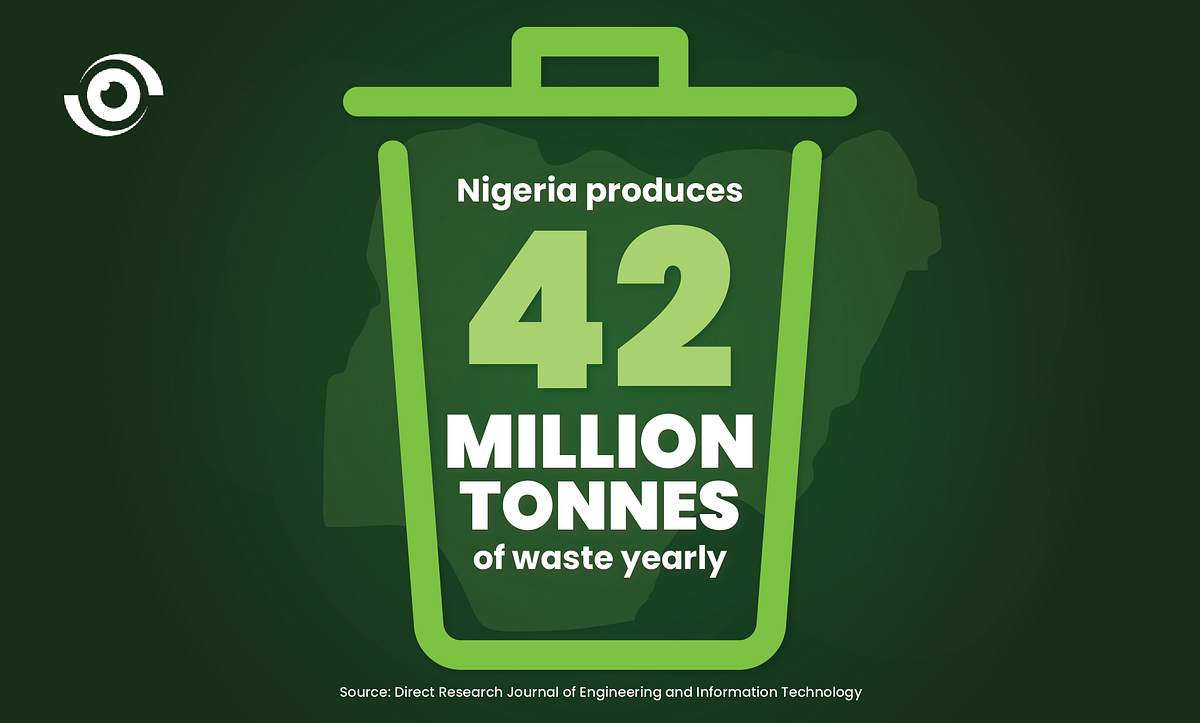
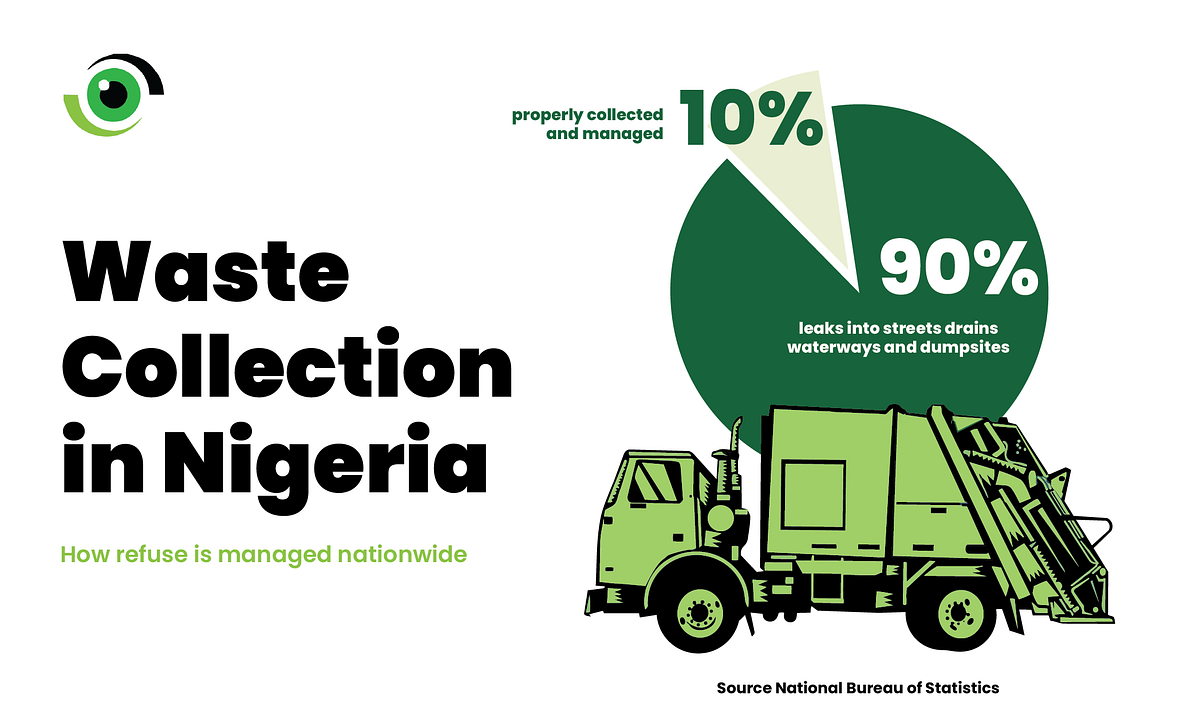
Nigeria produces close to 42 million tonnes of waste each year, making it one of Africa’s largest solid waste generators. However, only about 19 percent of that waste is collected or managed properly, while the rest accumulates on streets, waterways, and informal dumping sites. These practices increase exposure to diseases, cause respiratory irritation (especially where waste is burned), and contaminate water sources. The Federal Government has made several attempts to address the crisis, including prohibiting littering/dumping and establishing a regulatory authority to enforce compliance with waste management regulations. Despite these initiatives, rapid urban growth, limited collection infrastructure, and inconsistent implementation have left a persistent gap between policy and day-to-day waste collection, forcing communities to manage the health and environmental fallout.
Community reporting meets clean-up action
CleanSweep emerged as a youth-led platform that links resident reporting to organised clean-ups and recycling partners. Project Lead Christopher Balogun says the aim is ‘to use technology to solve real community problems.’ Drawing on his background in technology, he and his team developed a model that combines a digital reporting platform, volunteer-driven clean-ups, and direct community engagement. “We wanted to create a system where people can easily report polluted sites, and where those reports translate into real action on the ground.”
The CleanSweep mobile application enables residents to submit a report with a clear photo of a dumpsite and its location. Each report is first reviewed by CleanSweep coordinators to confirm the location, the type of waste, and whether the image is usable. Repeat reports from the same spot are cross-checked, and the project manager then visits the site in person to confirm it is genuine before any action is scheduled. Once verified, CleanSweep plans the clean-up, mobilises volunteers, and coordinates with local authorities and Diadem International Cleaning Service, a licensed waste management company, to evacuate, transport, and dispose of solid waste. At the collection point, CleanSweep oversees the clean-up and sorting process. Recyclable materials and organic waste are separated, bagged, and handed to the partner company. Non-recyclable waste is also separated and transferred to Diadem, which transports it in garbage trucks to approved disposal sites for proper disposal, handling any hazardous materials in line with government waste regulations.
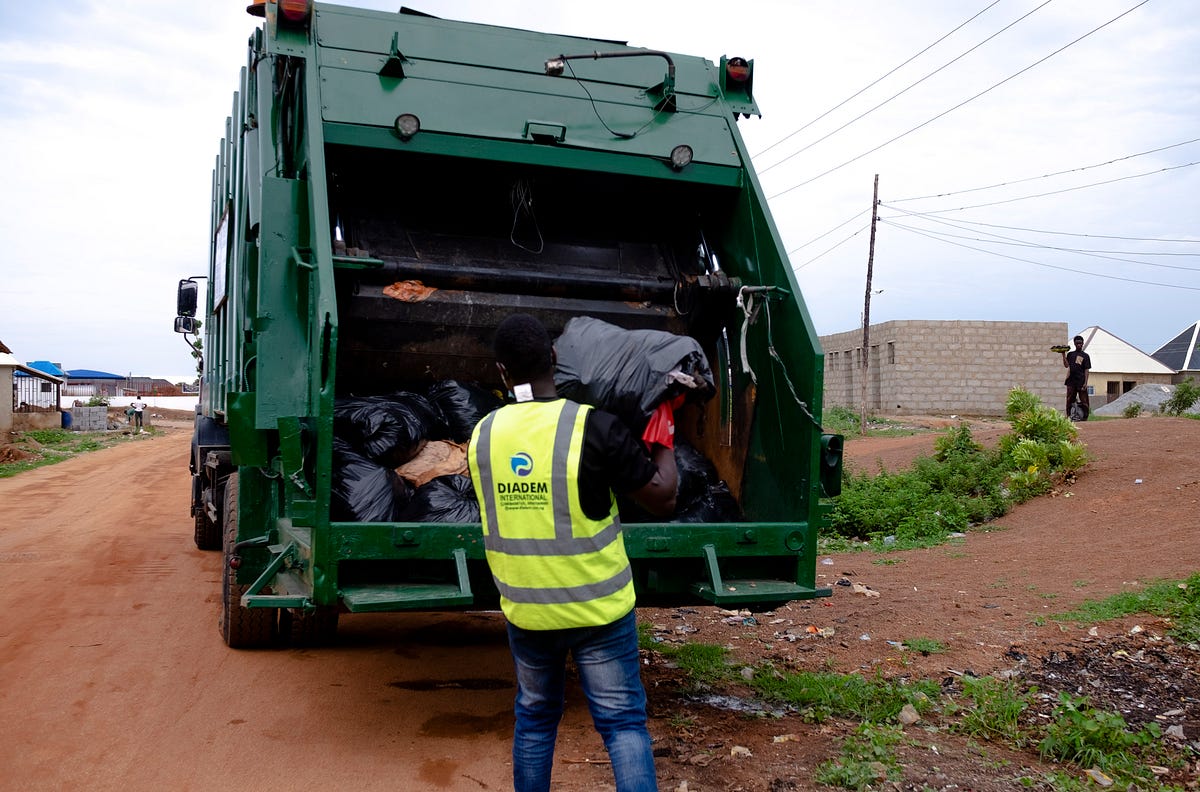
Image Credit: CleanSweep
The CleanSweep team conducted six clean-ups in Abuja; two in Dawaki and four in Dogongada, mobilising 540 volunteers, mainly young people and residents. Between December 2024 and June 2025, the app logged 324 waste reports; the team verified six and turned those into on-the-ground clean-up. Every clean-up follows clear safety steps that require volunteers to wear gloves, boots, and face masks. Sharp or hazardous items are set aside for trained handlers, first aid kits are available on site, and a team lead oversees coordination. Diadem applies its occupational safety procedures during waste collection and transportation.
For Temitayo, a resident turned volunteer, the intervention has reshaped how he and other residents in Dogongada treat their immediate environment. “When they came with their team and started cleaning our area free of charge, my friends and I volunteered to help. We were not doing anything about the refuse before,” he said. CleanSweep carried out the Dogongada clean-up in May 2025, and Temitayo said the sites have largely remained clear since then. He added that the improvement has been maintained through follow-up visits led by local volunteers who live in the community and continue to monitor the area and discourage dumping. For Bridget Augustine whose neighbourhood in Dogongada also benefited from the May 2025 clean-up, the impact was both environmental and personal. “The stench from the dumpsite used to give me headaches when I passed by,” she said. “After the clean-up, the air felt fresher and I could pass without discomfort.”
Bridget also used the reporting tool to indicate issues in her neighbourhood that had been a longstanding health hazard. According to her, after reporting a refuse dumpsite, CleanSweep organised a clean-up within a week, showing the responsiveness of the digital‑to‑action model. Bridget added that residents now discourage improper dumping and remind neighbours about safer waste disposal. Temitayo observed that seeing a dumpsite clean-up action, backed by reminders and simple signs, made dumping less acceptable. Evidence from community-led programmes suggests that social norms and peer accountability can help keep sites clean, especially when communities agree simple rules and use visible prompts.
Strengthening the model through funding and regulatory approvals
While the model has yielded visible community results, it faces structural challenges that limit its ability to scale. Christopher Balogun highlighted that one of the most significant challenges is financing. The initiative is self-funded through its parent organisation, Feexet, which uses income from services provided by Balogun’s team to businesses to fund transport, personal protective equipment (PPE), disposal fees, and staff time. These services include web and mobile design and development, social media management, digital strategy, and product consulting. “This project is currently self-funded and the next phase we are exploring is to secure grants and partnerships that will enable us to grow, scale into more states and make things run more smoothly.” Another major challenge being faced is securing approvals from the Abuja Municipal Area Council (AMAC) before conducting clean-ups. In some communities, uncertainty over which authority to engage has delayed or halted planned activities. Balogun notes that obtaining approvals to clean communities helps ensure safe operations, legitimacy, and local co-operation.
Looking ahead to data-driven waste management
Despite these challenges, CleanSweep’s model offers a workable approach as part of a broader civic and environmental health ecosystem; particularly because it is building a pathway from community reporting to visible action. Digital reporting can help surface priority sites and organise community response, but sustained impact depends on the ability to fund verification, secure permissions, and consistently evacuate and dispose of solid waste safely. The next test for CleanSweep will be whether it can shorten the time from report to action and track whether cleaned sites remain clean after one, three, and six months.