

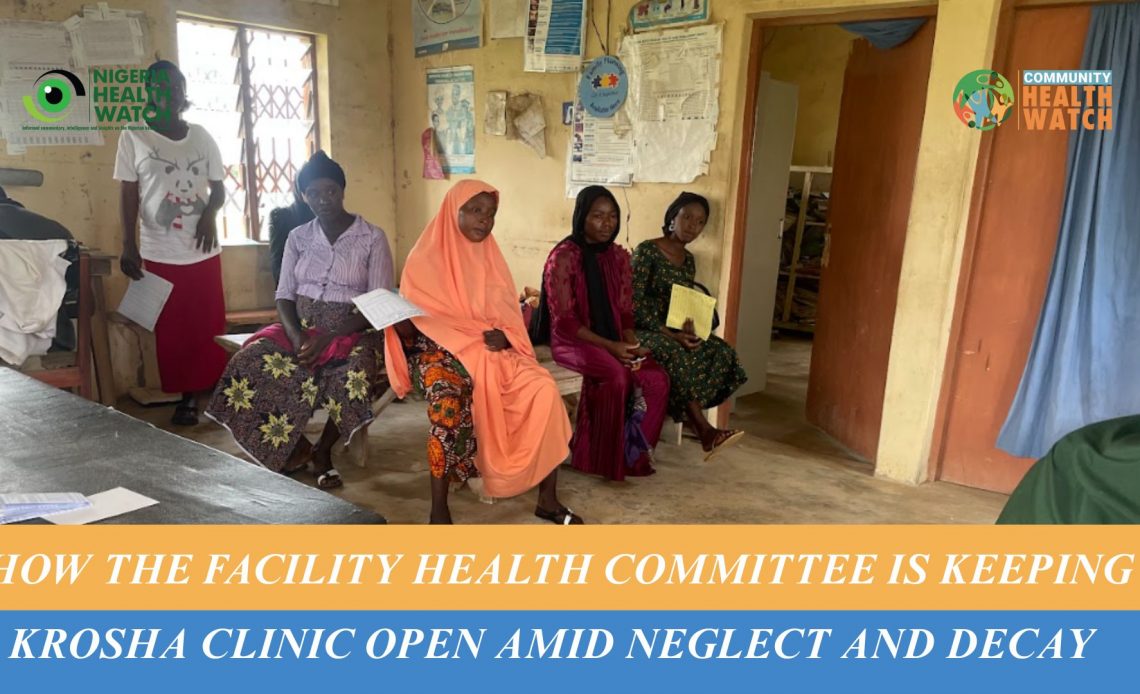
For residents of Krosha, in Kaduna State, keeping their only health clinic open has become a daily struggle shadowed by decay, neglect, and fear. What happens when a community’s only lifeline for care is at risk of collapsing, both physically and systemically?

Krosha Health Clinic is a Health Post serving Krosha and several neighbouring communities, which include Galuwe, Angwan Rimi, Kagoma, and Kauran Kasa, among others, yet it is not fully functional. The facility is not a Basic Health Care Provision Fund (BHCPF) focal facility, which limits its access to sustained funding and essential supplies.
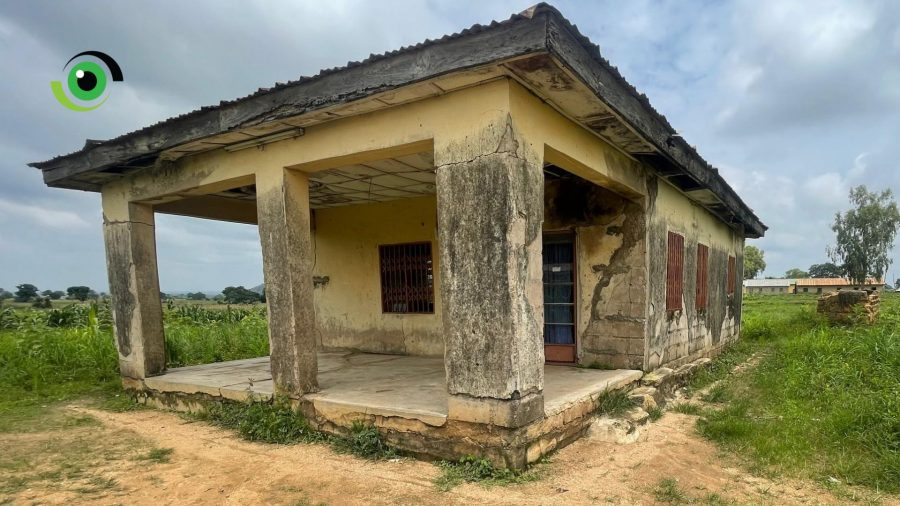
The clinic operates only two days a week, depending largely on the availability of a few volunteers who receive small stipends from the Krosha Health facility Committee, a group of devoted residents determined to keep the clinic’s door open against all odds.
On clinic days, an average of 20–30 patients, mostly pregnant women, nursing mothers, and injured farmers, seek care. The nearest health facility is several kilometres away, making access especially difficult for pregnant women and those seeking care. Poor infrastructure, lack of reliable transportation, and unsafe road conditions further compound access challenges.
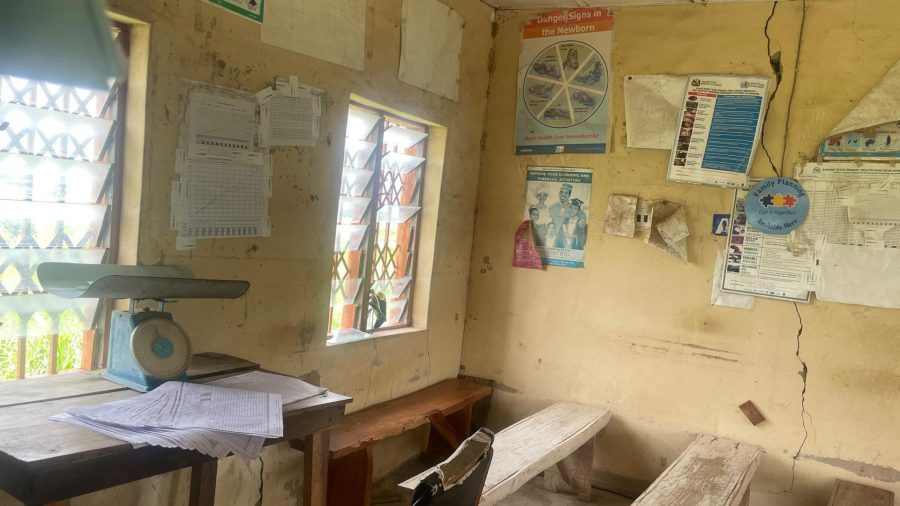
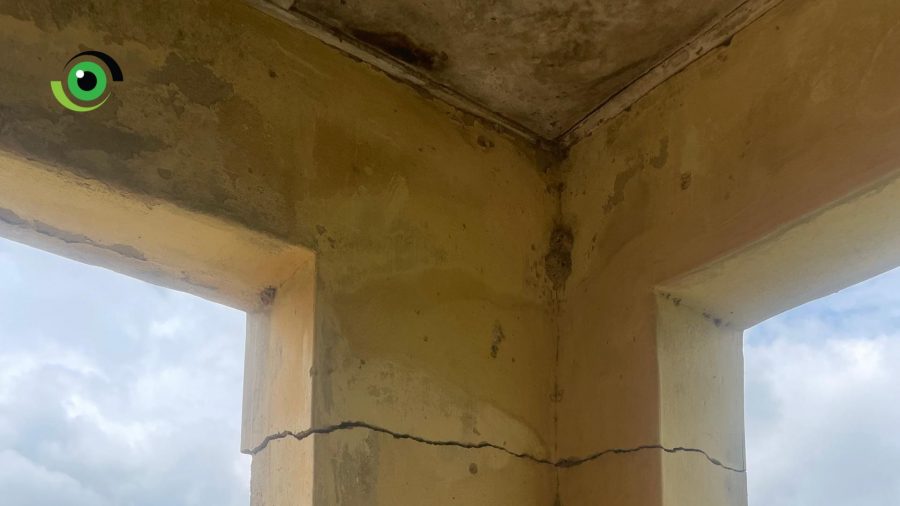
“It’s not easy,” admits Michael Joseph, the chairman of the Krosha health facility committee. “We repair what we can when we can. Sometimes we must buy materials ourselves. We just cannot let this place close; too many people depend on it. Over the years, minor repairs have kept Krosha Health Clinic standing, but the structure is now dangerously unsafe.”
“There is no water, no toilet, no beds, and no delivery room for pregnant women,” laments Mrs Ruth Matthew, a long-time resident. “Often, our only hope is to rely on traditional birth attendants in our communities or travel to nearby locations with medical facilities when we can afford to.”
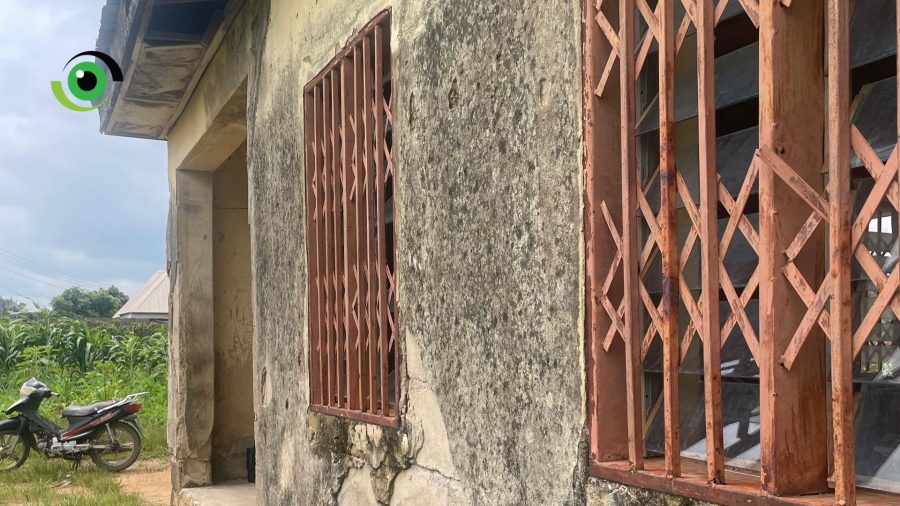
According to Surajo Umar, a volunteer health worker, the situation poses severe risks to maternal and child health outcomes. “Without permanent staff, medicines, and a safe building, service delivery is severely limited,” he explains. Distance and unsafe infrastructure discourage timely care-seeking, increasing preventable complications.
The clinic’s condition highlights critical gaps in rural healthcare delivery. Limited staffing, unsafe infrastructure, and reliance on community donations strain service capacity. Despite community resilience, the absence of sustained government support undermines equitable access to care.
Nigeria’s Health Sector Renewal Plan (2023–2027), under its second pillar, prioritises equitable, efficient, and quality healthcare delivery. Krosha’s experience exposes systemic gaps that must be addressed to realise the PHC revitalisation plan for improved service delivery.
Government and stakeholders must therefore urgently
- Revitalise and expand Krosha Health Clinic to a level 2 Primary Health Centre to serve the growing health needs of the community.
- Deploy permanent health workers, and
- Provide essential drugs and amenities to safeguard lives.
“Our prayer is that the government will stand with us and strengthen the efforts we have begun,” says Joseph. “This clinic is our community’s hope.”