


Sonia Biose and Sunday Oko (Lead writer)
Every year on 12 December, the world pauses to reflect on one simple promise, that no one should be pushed into poverty because they are not well. However, as we mark Universal Health Coverage (UHC) Day, the theme, “Unaffordable health costs? We are sick of it!” is a clear reflection of a stark reality Nigerians know all too well. For millions of Nigerians, the price of health care is still too high.
With nearly 70% of Nigerians paying out-of-pocket for healthcare, this could mean borrowing, selling assets or delaying care. Nigeria has made commitments to protect its citizens from financial hardship, how for many families that promise remains out of reach.
Nigeria’s Basic Health Care Provision Fund (BHCPF) was designed as the country’s most important statutory lever for strengthening primary health care, expanding coverage for vulnerable groups and improving emergency response. More than a decade after the National Health Act was passed in 2014, that lever is now at a crossroads.
On Monday, November 24, 2025, policymakers, civil society actors, health experts, and community voices convened at the National Assembly for the public hearing on five health bills, including the National Health Act (Amendment) Bill 2025. The atmosphere in the hall reflected both urgency and possibility. It was a reminder that when it comes to health financing in Nigeria, we are standing at a critical turning point.
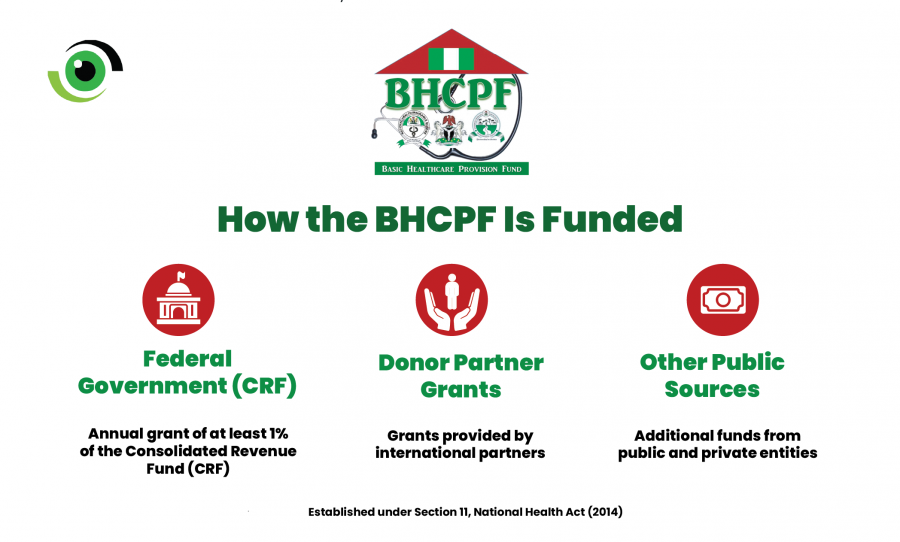
The proposed National Health Act (Amendment) Bill, sponsored by Senator Ipalibo Harry Banigo, Chairperson of the Senate Committee on Health, comes at a pivotal moment for the country’s health financing agenda. Since its introduction, the BHCPF has been set at “not less than 1%” of the Consolidated Revenue Fund (CRF). Discussions during the public hearing made it clear that this level of funding is no longer adequate for Nigeria’s expanding primary healthcare needs. Stakeholders noted that keeping the Fund at 1% has limited states’ ability to maintain facility upgrades, ensure reliable access to essential medicines, and expanding health insurance coverage to vulnerable populations.
Raising the allocation to 2% is therefore being viewed as a necessary step to unlock stronger system performance. Evidence presented during the hearing suggested that an increased allocation would enable wider PHC coverage, improve emergency care readiness, and provide more predictable financing for frontline services. The proposal also aligns with the Federal Government’s renewed commitment to accountability and primary healthcare expansion reflected in recent updates to the BHCPF guidance and disbursement processes.
When the National Health Act was passed in 2014, allocating 1% of the CRF to the BHCPF was a milestone. It was one of the most significant health financing commitments made in Nigeria’s democratic history, even though implementation effectively only began in 2019.
But more than a decade later, the realities of the country have changed dramatically.
Nigeria’s population has risen sharply from about 190 million in 2015 to an estimated 232 million people. The cost of medicines and health services has risen, driven by economic pressures, weak regulation, heavy dependence on imports, inflation, poor local manufacturing capacity, and global supply chain challenges. Out-of-pocket spending continues to push families into poverty, while PHCs, the backbone of the health system, remain underfunded, understaffed, and unable to meet rising demand.
It is increasingly unrealistic to expect a 1% allocation set in 2014 to sustain a health system in 2025. This amendment is therefore not only appropriate, it is overdue.
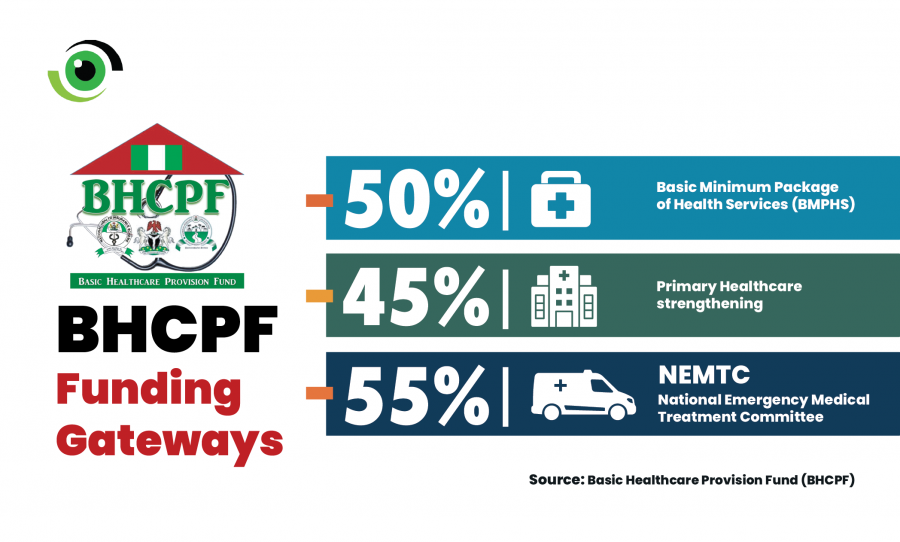
Scaling up the BHCPF remains one of Nigeria’s most important pro-poor financial protection measures. Under the current framework, BHCPF funds through the National Primary Health Care Development Agency (NPHCDA) gateway support Decentralised Facility Financing (DFF), which enables PHCs to purchase essential medicines and consumables, maintain basic equipment, cover operational costs, and strengthen frontline staffing such as midwives and community health workers.
These investments directly reduce out-of-pocket spending for low-income households and improve access to the Basic Minimum Package of Health Services, including maternal and childcare, immunization, and treatment for common illnesses.
Increasing the allocation from 1% to 2% would expand the reach and reliability of these services, ensuring PHCs are better equipped to serve the poorest and most vulnerable Nigerians.
Key messages from the hearing
Throughout the hearing, one theme stood out clearly, the BHCPF has potential but only if it is adequately funded. Stakeholders highlighted how the Fund has already improved access to essential care across the country by financing PHC upgrades, essential medicine supplies, and enrolment of vulnerable groups under the National Health Insurance Authority (NHIA) gateway.
BHCPF support has contributed to the revitalisation of more than 900 PHCs, with over 2,700 additional facilities undergoing upgrades, strengthening infrastructure for frontline services nationwide. Similarly, the NHIA has documented the enrolment of over 2.4 million vulnerable Nigerians under the BHCPF-supported insurance gateway, a figure that is monitored through monthly enrolment and service-utilisation data.
These measurable outcomes demonstrate the Fund’s value—and the scale of impact that could be achieved with increased and more predictable funding.
However, given Nigeria’s fast-growing population, the healthcare needs of citizens now far outweigh the resources available. Representatives from civil society, professional associations, and development partners all underscored the same point: increasing the allocation to 2% would significantly strengthen the country’s capacity to provide essential healthcare services for its citizens.
Why this amendment matters for Nigerians
- Strengthened primary health care
Primary health centres remain the first point of care for millions of Nigerians, especially women and children. Expanding the BHCPF would support more functional health facilities, improve staffing support, ensure a steadier supply of essential medicines, and better-quality services.
- Expanded health insurance for vulnerable groups
The NHIA Act is designed to reduce financial hardship and widen equitable access to care. With a larger BHCPF allocation, more vulnerable Nigerians can be enrolled in health insurance schemes and protected from catastrophic out-of-pocket costs, moving the country closer to universal health coverage.
- Improved preparedness for health emergencies
Whether responding to disease outbreaks, road traffic accidents or other shocks, Nigeria continues to face recurring health emergencies. A strengthened Fund improves system readiness and supports faster, better-coordinated responses that can save lives.
- Increased public trust
Visible, consistent investment in frontline care strengthens confidence in government reforms. That trust is essential for service uptake, community participation and sustained accountability.
Nigeria must not miss this moment
The proposed amendment matters because it represents one of the most important health reform opportunities before the 10th National Assembly. If passed and implemented effectively, it could strengthen PHC performance, expand coverage for vulnerable populations and improve emergency readiness nationwide. For Nigeria, increasing the BHCPF from 1% to 2% of the CRF and ensuring that every naira is well spent is one of the clearest ways to show that we take the right to health seriously.
This will require political will to expedite legislative processes and ensure timely Presidential assent once the bill is transmitted. It will also require sustained civil society engagement to keep implementation-focused accountability on the agenda. Nigeria cannot afford another prolonged gap between legislative intent and real service delivery gains.
As we mark UHC Day, it is important to recognise that health is a fundamental right for all. Strengthening the Basic Health Care Provision Fund is a crucial step towards ensuring that every person, especially the most vulnerable can access quality, affordable care without financial hardship.