

By Harajana Umar
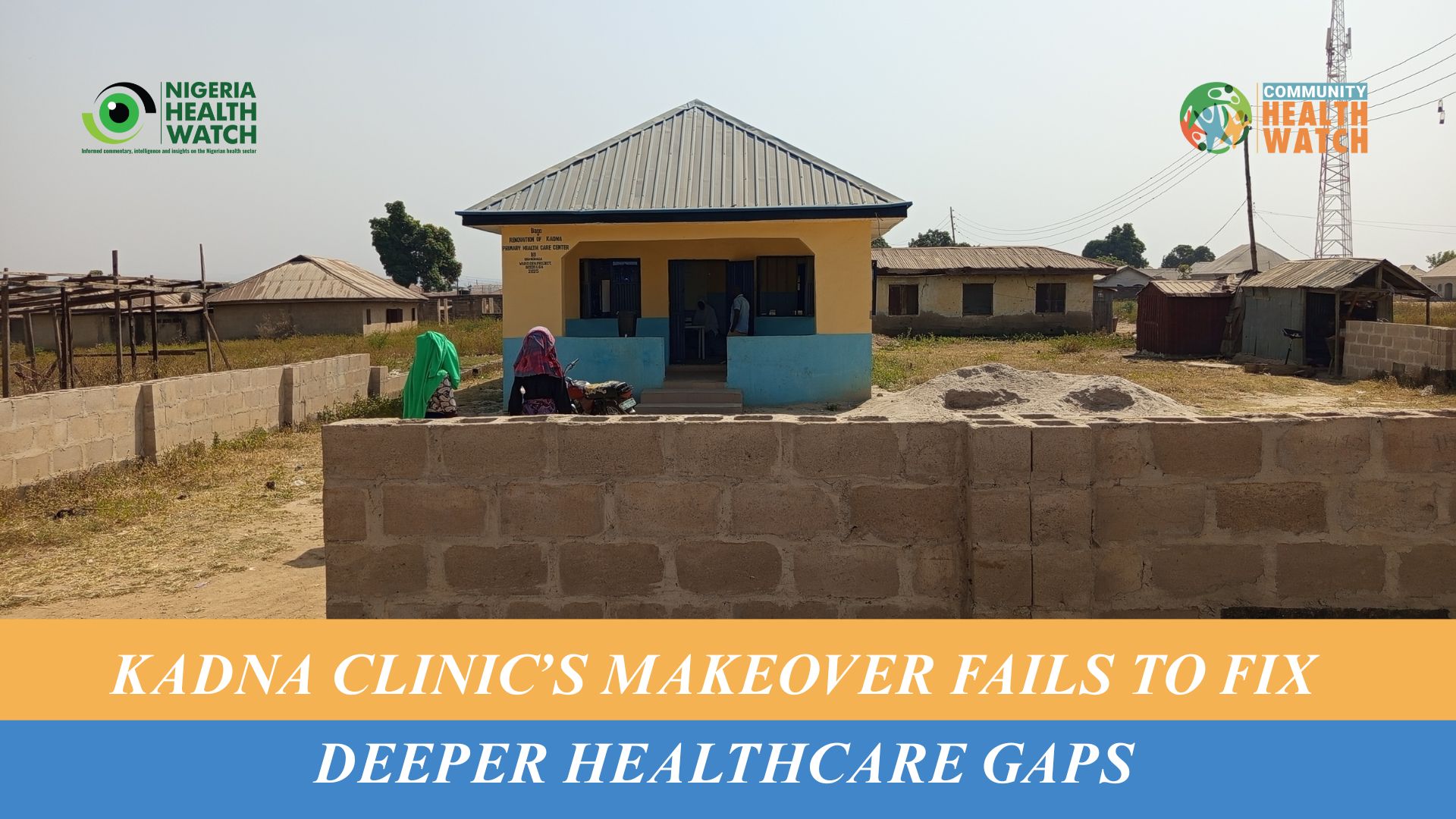
The newly renovated Kadna Clinic promised relief to women seeking healthcare in Kadna community, Niger state. However, that relief has proved incomplete. Although the fresh paint and renovated walls have attracted patients, the daily reality inside the facility reveals a more challenging situation, characterised by water shortages, a lack of available beds, and overworked staff.
Kadna Clinic is a Health Post, not a Basic Health Care Provision Fund (BHCPF) focal facility, serving Kadna town, nearby Fulani settlements, and distant communities such as Shakan, which is 15 kilometres away and Mai Gangan, over 17 kilometres away. The facility attends to an average of 20 patients daily and over 300 monthly, covering populations far beyond what its capacity was designed for.

For 26-year-old Sharifa Mustapha, the clinic was both a lifeline and a risk, “I didn’t even know I was pregnant,” although received antenatal care, delivery services, and immunisation for her child at the clinic, she said. “They really cared for me, but we need more beds in the labour room for safe delivery.”
Before its renovation, the clinic was dilapidated, with cracked walls and leaking ceilings. The transformation began through community self-help, led by the Ward Development Committee (WDC), before the Niger State government Ward Development Project completed the renovation. While the facelift restored trust and increased patient turnout, access challenges persist. Pregnant women from remote communities face high transport costs, sometimes up to ₦2,500, which is sometimes unaffordable for many.
For Hannatu Abdullahi, a 35-year-old mother of nine, the challenge is even more basic. “There is no water, no mosquito nets, and limited mattresses. We fetch water in buckets. That’s why some women prefer going to Chanchaga clinic.”
According to the Officer-in-Charge, Adama Alhassan, the clinic operates under severe strain. “We have only two permanent staff. Six others are volunteers,” she explained. “We have just one toilet, which is used for blood disposal after delivery. Staff use the bush, which is dangerous.”
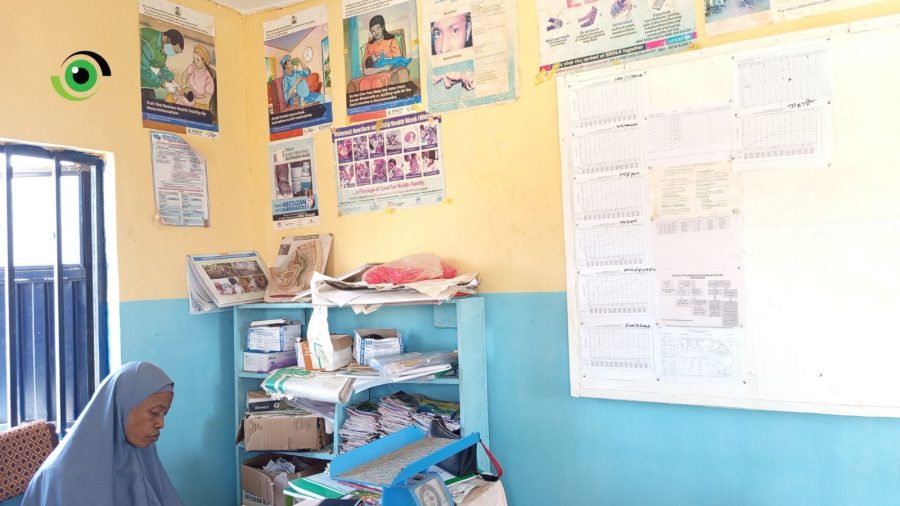
She added that, these conditions raise serious concerns about infection control, staff safety, and maternal and child health outcomes and discourage timely health-seeking behaviour.
The renovation of Kadna Clinic has increased service utilisation but it has also exposed deeper gaps in Nigeria’s primary healthcare system. Infrastructure upgrades, without corresponding investments in staffing, water, equipment, and essential services, risk creating facilities that look functional but fail to deliver quality careDespite community commitment, the clinic’s capacity remains overstretched.
Kadna Clinic’s reality contradicts the goals of Nigeria’s Health Sector Renewal Strategic Plan, which aims to build an efficient, equitable, and quality health system for all Nigerians. Kadna Clinic’s experience suggests that progress in primary healthcare cannot be measured by renovated buildings alone, but by the availability of basic services that make safe care possible.
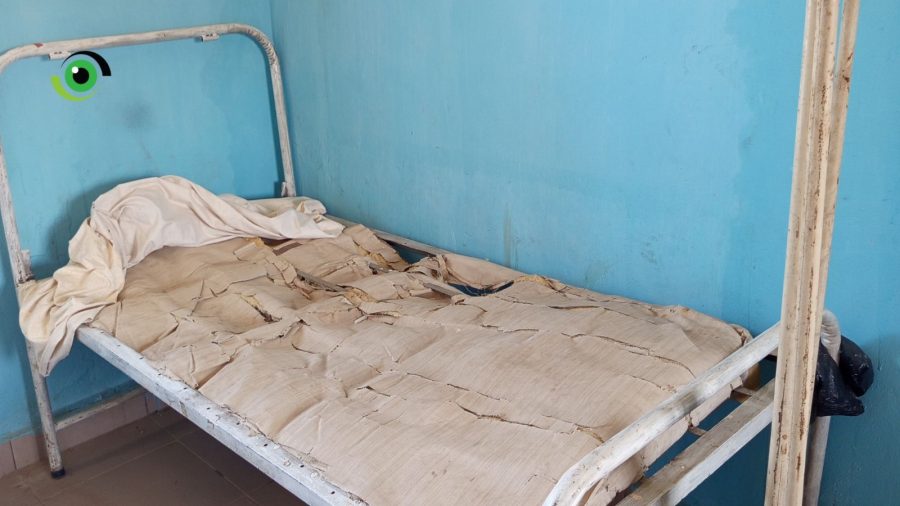
To move beyond cosmetic improvements, state and local health authorities must prioritise:
- Provision of a dedicated borehole for the clinic
- Formal absorption of volunteer staff into permanent roles
- Expansion of wards and construction of more toilets
- Supply of essential beds, mattresses, and mosquito nets for patients
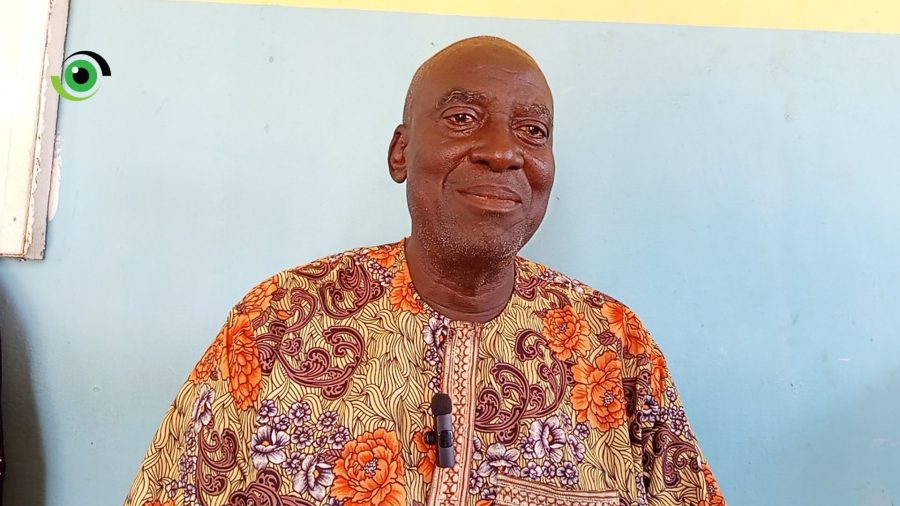
“At night, a woman in labour cannot climb a bike,” says Tanko Bala Wakili, WDC Chairman. “This clinic is a lifesaver.” With targeted support, Kadna Clinic can truly become the healing space its community fought to rebuild. A reminder that fixing Nigeria’s primary healthcare system requires more than fresh paint.