


Maureen Moneke and Adanna Opara (Lead writers)
Nigeria’s maternal mortality burden remains unacceptably high and points to persistent gaps in access to timely, quality maternity care. Despite financing reforms such as the Basic Health Care Provision Fund (BHCPF) and Direct Facility Financing (DFF), maternal deaths remain high, estimated at 993 deaths per 100,000 live births. Recent reporting continues to document preventable maternal deaths in Nigeria, pointing to persistent gaps in the quality and timeliness of maternity care.
The private sector is well-positioned to bridge critical gaps in maternal health care by mobilising additional resources and introducing innovative service delivery models to strengthen health systems. This underscores the need to optimise the role of the private sector in complementing the government’s commitment to finance health care delivery and effectively address preventable maternal deaths in the country.
In response to these gaps, ACIOE Foundation, with funding support from MSD for Mothers, convened the 2025 Private Health Sector Financing Summit to focus attention on how stronger public-private collaboration can improve maternal outcomes. The summit brought together stakeholders from government, the private sector, and financial institutions to identify practical recommendations to expand financing, improve service delivery, and sustain quality care in support of universal health coverage (UHC).
Unlocking access to finance for the private health sector
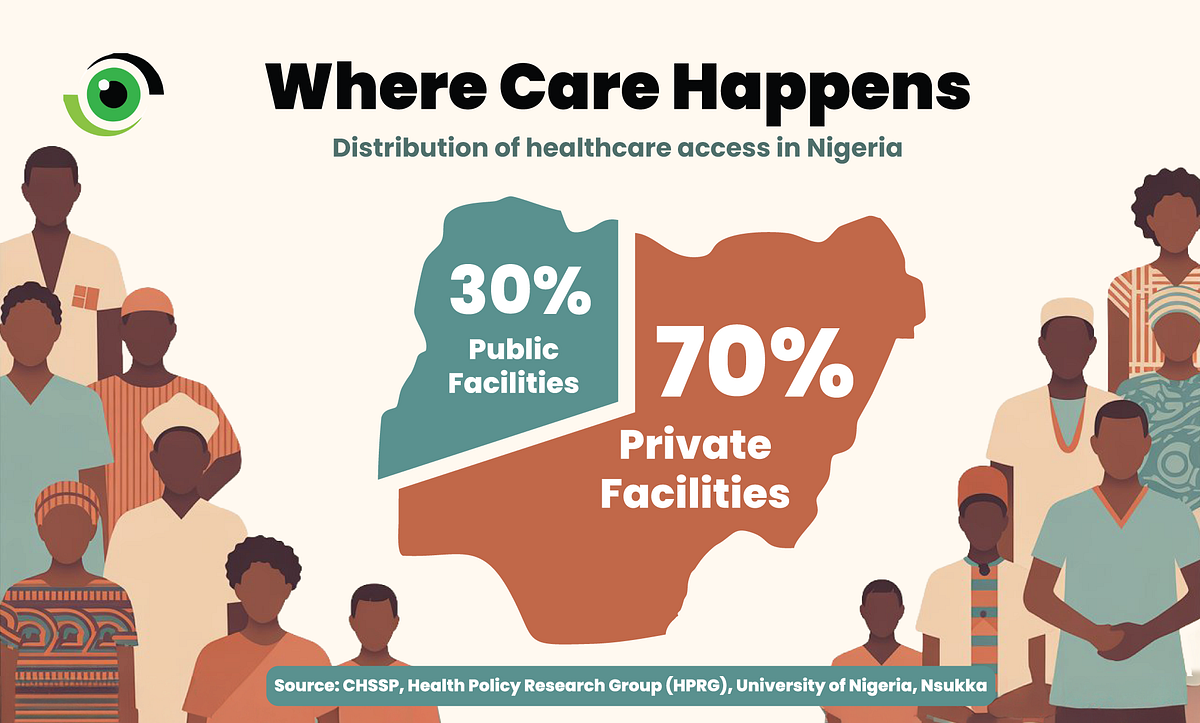
The private sector delivers an estimated 70% of health care services in Nigeria, spanning hospitals and clinics as well as frontline providers such as Community Pharmacists (CPs) and Patent and Proprietary Medicine Vendors (PPMVs). Evidence from initiatives such as the IntegratE Project demonstrates that in many rural and peri-urban communities, these providers are often the first and most accessible point of care for women and families, including for maternal and child health services. Yet despite their central role in extending access to care, the private sector providers remain chronically underfunded and insufficiently integrated into health financing and service delivery systems, an issue the Promoting Accreditation for Community Health Service (PACS) programme is seeking to address
The private health sector is a fundamental player in Nigeria’s health care system. According to Iyadunni Olubode, Lead of Kenya and Nigeria Programmes at MSD for Mothers, “the private sector comes with the capital, innovation, and is usually more efficient in how resources are deployed. Therefore, integrating the private sector will help address health challenges more easily.” Private health facilities face significant barriers, including inadequate funding, limited infrastructure, and chronic shortages of trained personnel. These challenges are compounded by the fact that most private providers operate without access to affordable, structured financing.
Unlike public institutions that receive government allocation, private facilities must source their own capital, often at steep interest rates, under rigid conditions, and with little to no institutional support. This financial strain does not just hinder business growth; it weakens the entire health ecosystem by limiting access to essential services, especially in underserved communities. If Nigeria is to meet its health development goals, particularly around reducing maternal and child mortality, then it must intentionally harness the power, reach, and agility of the private sector. This means building mechanisms that lower the cost of capital, offering targeted financing schemes, and integrating private facilities, both large and small, into national and sub-national health strategies.

Image credit: Nigeria Health Watch
Unlocking universal health coverage
The summit spotlighted private health insurance as a critical yet underutilised pathway to achieving broader health coverage in Nigeria. While the National Health Insurance Authority (NHIA) and state-led health insurance programmes have made progress, their reach remains limited, particularly among informal workers and low-income earners. To close this gap, participants called for a deliberate scale-up of tailored, flexible, and accessible private health insurance schemes for diverse population segments. This will include regulatory reforms, incentives to reduce premiums, strengthened consumer protection, and collaboration with employers and community-based groups to expand enrolment. The private sector’s ability to innovate, whether through mobile technology, bundled service packages, or pay-as-you-go models, positions it as a crucial driver in expanding financial risk protection.
According to the World Health Organization (WHO), UHC cannot be achieved without the active participation of the private sector. The private sector brings critical capabilities that complement the public sector’s efforts, particularly by bridging gaps in health care service delivery and implementing advanced technologies beyond the reach of government systems. Sarah Balogun, representing the Special Adviser to the Lagos State Governor on Health, highlighted systemic issues impeding the success of government-led insurance schemes, especially in Lagos, including low public awareness, poor empanelment by private actors, and a concerning reliance on informal providers such as traditional birth attendants and faith-based healers.
While commendable initiatives such as Ìlera Èkó and Ekosha have been introduced to expand coverage and reach vulnerable populations in Lagos State, she called for a paradigm shift, advocating deeper operational collaboration with private healthcare providers, streamlined reimbursement processes, and community-level awareness campaigns, especially through trusted religious and traditional institutions. Most crucially, she argued that health care should be treated not just as a social good but as a viable, investable service with clear business incentives for the private sector.
Mallam Abubakar Hassan, Director General of the Kaduna State Contributory Health Management Authority, highlighted significant infrastructural gaps in the state’s health system. He noted that a population of 11 million is served by only 255 Primary Health Centres (PHCs), with an 86% out-of-pocket spending rate and persistently high maternal mortality. Yet he emphasised that within these challenges lie untapped opportunities for reform and innovation. He called for bold partnerships with the private sector to deliver scalable, community-based solutions, such as mobile clinics and modular health units, to bridge the last-mile gap in maternal care. He also advocated training and integrating traditional birth attendants into a structured referral system, powered by private innovation and government support.
Dr Charles Doherty, General Manager of the Ekiti State Health Insurance Scheme (EKHIS), presented the Ulerawa programme as an intervention that targets high-impact health areas, such as maternal and child health, through performance-based reimbursements to public health facilities. Ulerawa programme is a comprehensive strategy designed to improve maternal and child health outcomes, increase health care utilisation, and provide financial risk protection to all residents of Ekiti state, especially the most vulnerable.
Private sector financing for better maternal outcomes
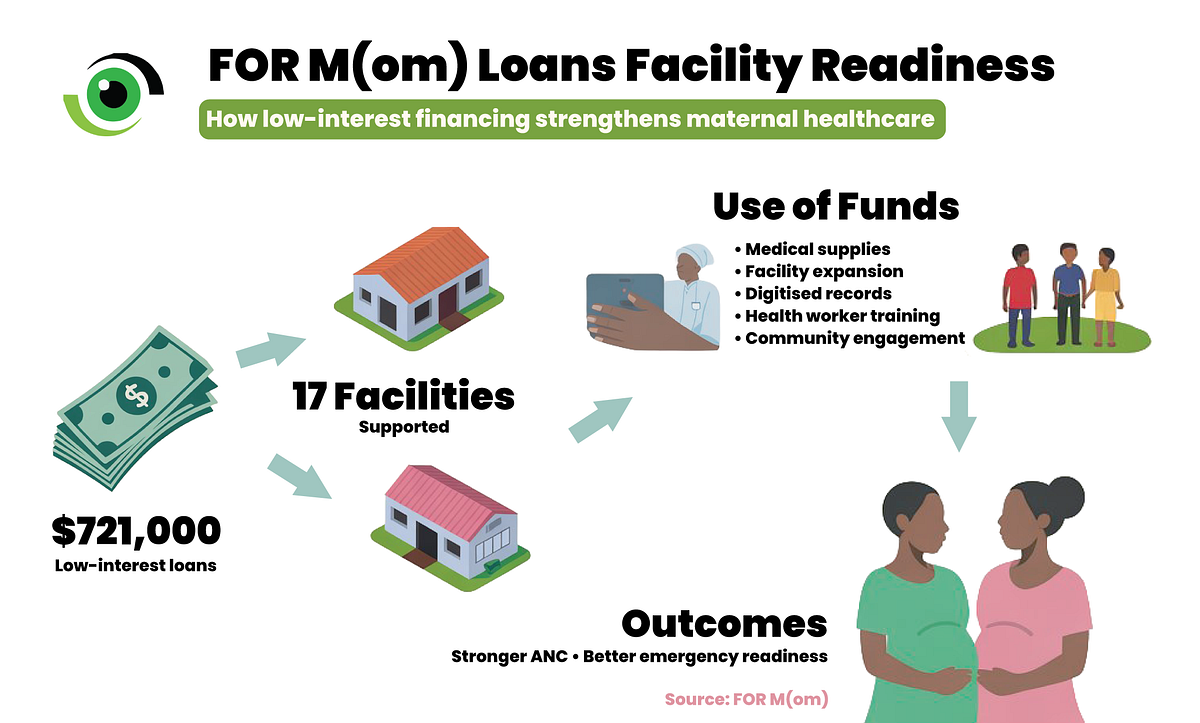
In line with the growing emphasis on private-sector collaboration, Dr. Omobosola Asuni, Head of Public Health at Helium Health, shared a compelling, practical example of how private-sector financing can transform maternal health care delivery. Through the MSD for Mothers-funded Financing and Operational Revitalisation for Maternal Care–FOR M(om) project, private sector facilities have leveraged innovative technologies and resources, such as Helium credit facilities, digitised health records, capacity building, and targeted community engagement, to improve care. By disbursing over $721,000 in low-interest loans to 17 health care facilities, the FOR M(om) project has supported private providers in purchasing essential medical supplies and expanding their operations, resulting in better maternal emergency care and enhanced antenatal services.

Image credit: Nigeria Health Watch
A roadmap to a healthier future
Nigeria’s journey towards equitable and accessible health care will remain incomplete unless the country deliberately leverages the private health sector’s capabilities. The public sector alone cannot bear the full weight of health care delivery, especially in a system already strained by infrastructure gaps, workforce shortages, rising out-of-pocket expenditure, and a weak referral system. To fully unleash the private sector’s potential, two critical bottlenecks need to be addressed: access to concessionary financing and seamless integration into state-led health insurance schemes.
Private providers need access to sustainable, low-interest financing options that reflect the unique nature of the health sector. Access to concessionary funds that encourage private investment in underserved areas, and to incentives that reward high-impact interventions such as maternal care and immunisation, will enable private sector facilities to continue operating profitably and to scale.
The integration of private actors into government health insurance schemes needs to be backed by concrete action and meaningful collaboration. Governments should engage the private sector not as contractors, but as co-creators of health solutions, especially when it comes to reaching vulnerable populations. These efforts should move beyond policy statements to establish clear mechanisms for participation, timely payments for services delivered, and equitable terms that reflect the realities of private health care delivery.
Such inclusion provides a vital avenue to expand access to essential maternal care, leveraging the diverse and widespread capacity within the health system. It also fosters a more resilient and inclusive health system, one where both public and private actors work in alignment to serve communities more effectively. This is crucial to reducing maternal mortality and advancing universal health coverage.