

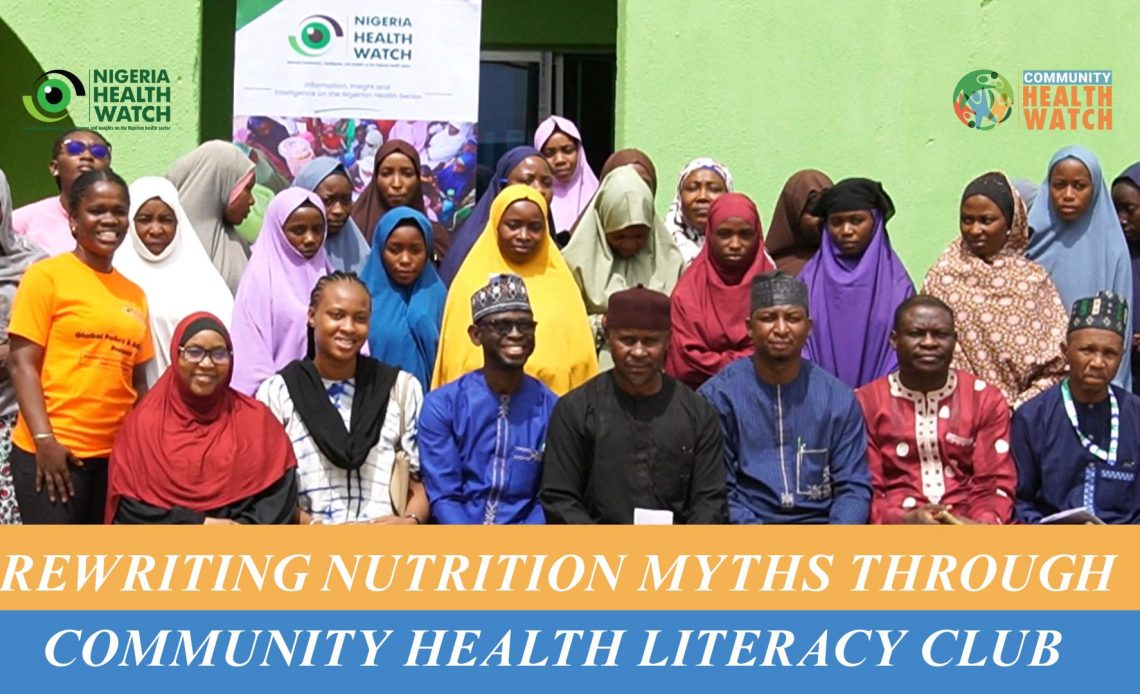
For years, women in Kura Local Government Area, Kano State, believed that eating protein during menstruation was dangerous. This nutrition myth, passed from mothers to daughters, quietly shaped diets and weakened health until community volunteers began rewriting nutrition myths through health literacy and evidence-based education.
“I avoided protein all my puberty life,” said 26-year-old Aisha Rabiu Sulaiman, a volunteer with the Health Literacy Club in Kura. “I believed eating protein during menstruation was harmful.”

Everything changed on the faithful day that she attended one of the club’s sessions, facilitated by Akin Savvy initiative in collaboration with Nigeria Health Watch. “At first, I disagreed,” Aisha Rabiu Sulaiman said. “But after the session, I realised how very important protein is, especially for women who are menstruating.”
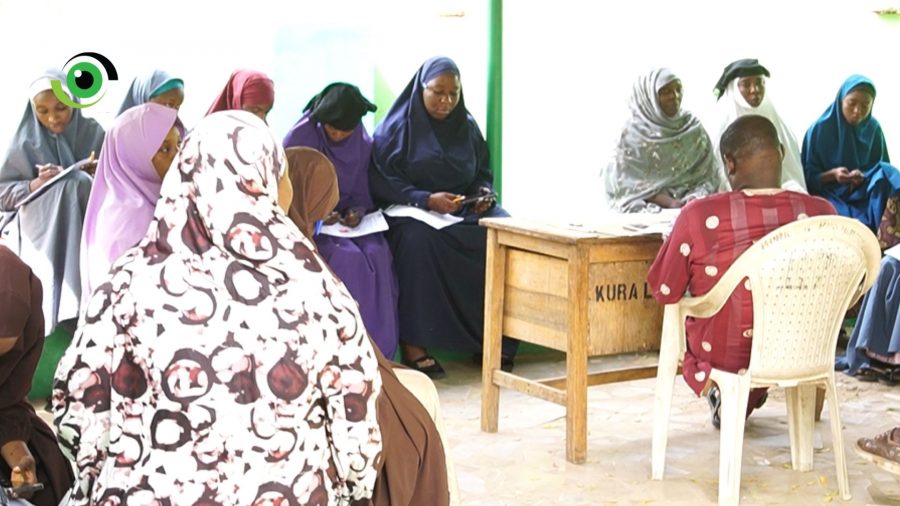
Limited nutrition knowledge, poverty, and deeply rooted cultural beliefs continue to influence dietary choices among women and adolescent girls. Many households rely heavily on carbohydrate-based meals due to financial constraints, while misconceptions around menstruation and pregnancy further limit protein intake.
Community-based health literacy initiatives are emerging as a critical response to bridge these gaps and strengthen preventive health behaviours beyond the health facility. Participants were also able to explore available and affordable food combinations within their reach to make healthy food choices for optimal nutrition.

Now trained as a community mobiliser, Aisha, together with other members of the club, goes door-to-door educating families. “I personally sensitised 15 households,” she said. In one case, she and other volunteers pooled ₦1,000 each to help a woman start selling moi-moi. “Now she earns income and eats better,” Aisha added.
According to Hassan Aliyu Sambo, Akin Savvy’s Grassroots Mobilisation Coordinator, community volunteers are key to changing health behaviours. “When women learn from people they trust, nutrition messages stick,” he explained.
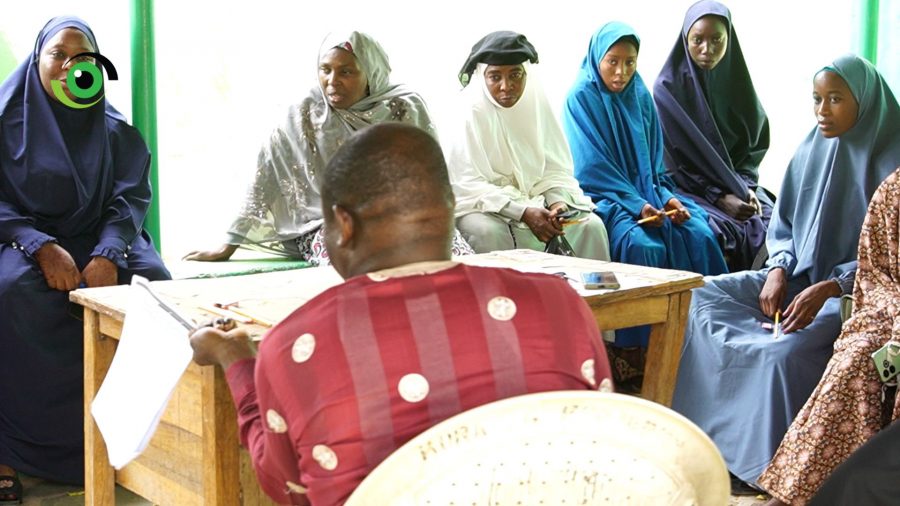
Salisu Musa Muhammad, Program Liaison Officer at Nigeria Health Watch, noted that poor nutrition directly affects maternal and child health outcomes. “Health literacy improves health-seeking behaviour and complements services provided at Primary Health Care facilities,” he said.
While the initiative is improving nutrition awareness, strengthen community participation, and reducing resistance to healthy diets despite economic challenges. However, volunteers face limitations such as a lack of funding, food affordability, and increasing demand for support beyond education.

Nigeria’s Health Sector Renewal Plan, through its second pillar, seeks to ensure efficient, equitable, and quality health systems, with strong community engagement and citizens’ engagement as a foundation. The experience in Kura shows that empowering community volunteers can close health knowledge gaps and support sustainable, healthy living and active health-seeking behaviour.
Stakeholders should therefore support community health literacy initiatives through:
- Integration of nutrition education into outreaches by the community volunteers.
- Sustained funding for community mobilisation.
“When women understand nutrition, families become healthier,” Sambo said. “With the right support, myths can be replaced with knowledge, and knowledge saves lives.”