

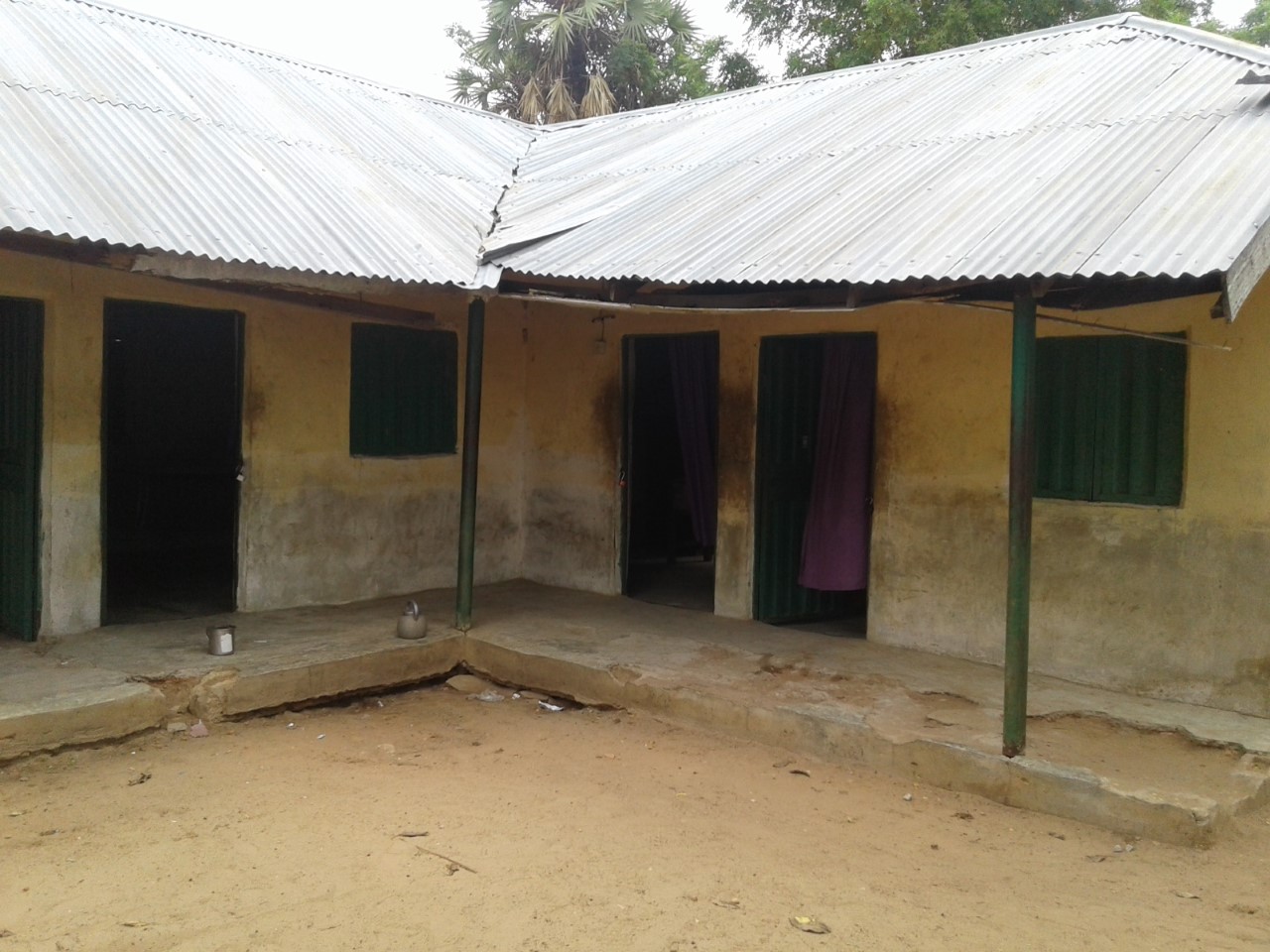
Tiwugi is a remote community in Gbako Local Government Area (LGA) of Niger State. The community’s only health clinic provides antenatal, delivery, immunisation and community outreach services, among others. However, only one health worker does all these – Abdullahi Haruna the officer in charge of the clinic. Haruna said he has tried his best to provide all the health services needed by community members, but one person can’t do it all. As a result, he is experiencing extreme burn out.
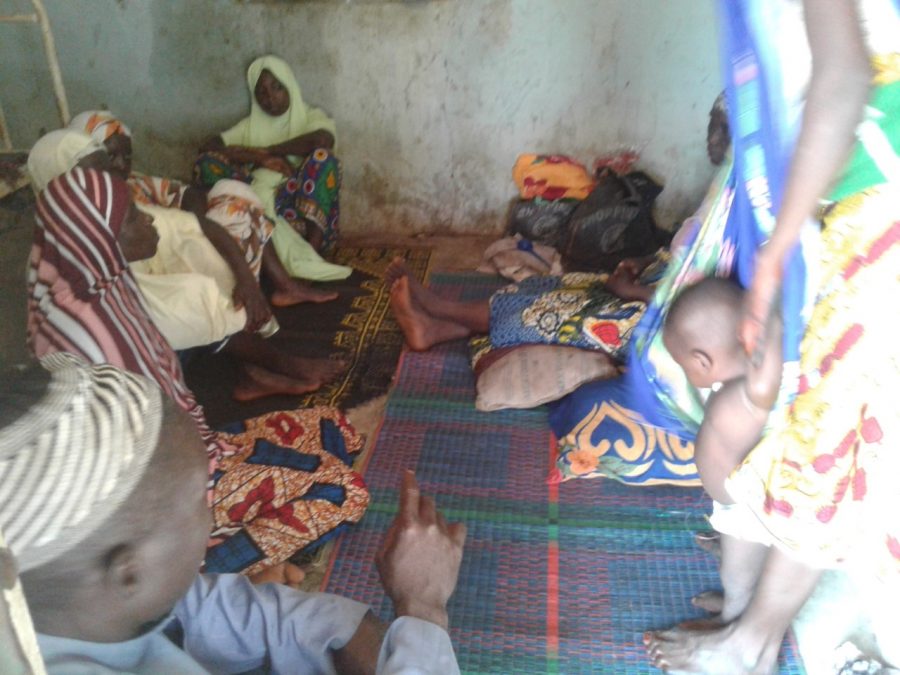
Haruna revealed that although the building is in good condition, the facility is lacks critical equipment, including beds and a delivery couch. ‘’We lay our patients on a mat,’’ he said, pointing to a room with only mats on the floor inside the clinic. He added that the clinic has no source of water, no functional toilet, and is not connected to electricity, which further hinders delivery of 24-hour service. The clinic constantly experiences stock out of essential drugs, forcing him to sometimes prescribe routine medication for pregnant women. This, according to Muhammad Umar, a community member, is not safe as pregnant women or their husband must travel to Gbako town through the extremely bad roads to get the medications.
These many challenges have left Tiwugi Clinic incapacitated and the people of Tiwugi community are unable to access healthcare with ease. Primary healthcare is provided by the local government authority through health centers, etc, they are staffed by nurses, midwives, community health officers, health technicians, community health. Anything less is a human right violation.
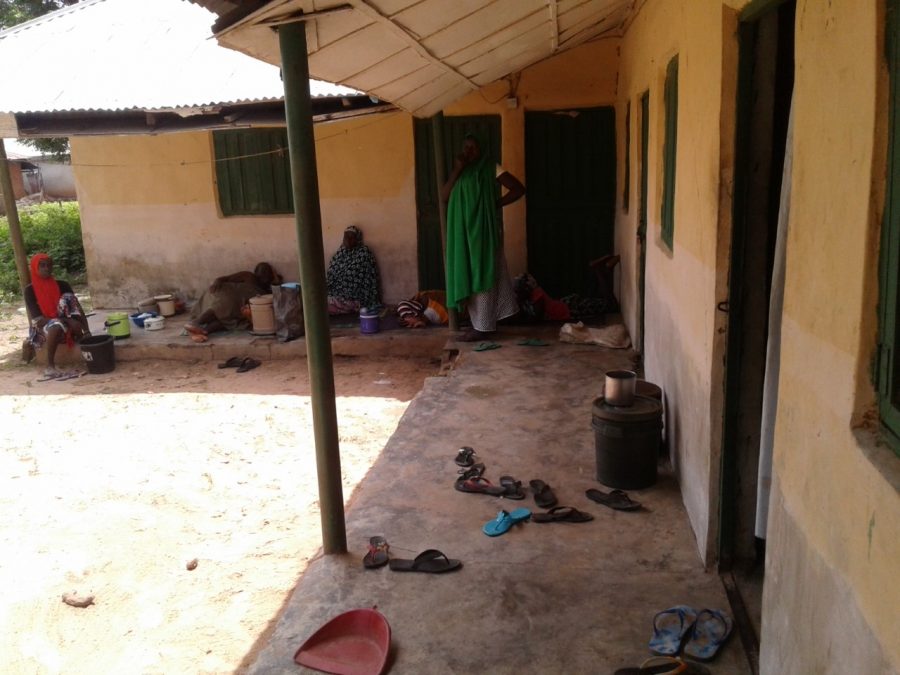
Tiwugi community members are therefore asking for the following
- Recruitment and deployment of additional health workers to the clinic
- Provision of equipment such as a delivery couch and beds
- Constant availability essential medications
- Provision of a portable water source for the clinic
- Building of adequate, gender-equitable toilet facilities for the clinic