


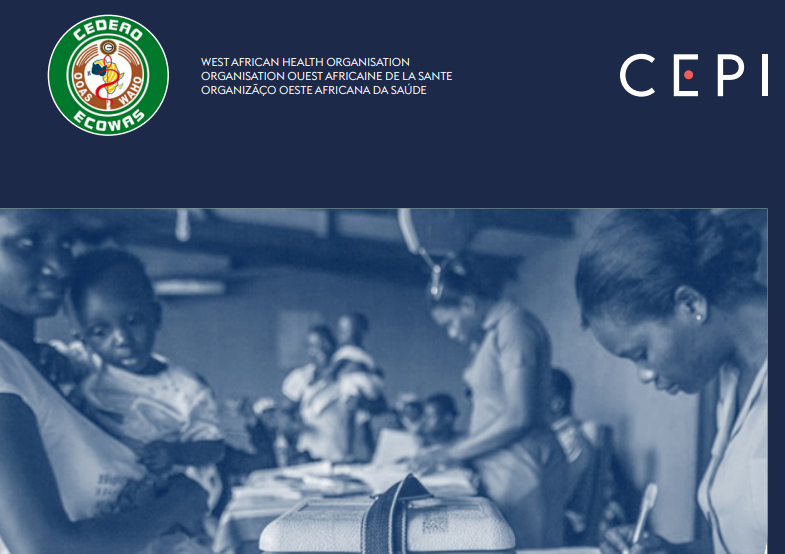

West Africa has today, 3rd February 2026, marked a major milestone in regional health security with the official launch of the Lassa Fever End-to-End (E2E) Access Roadmap for West Africa, a first-of-its-kind, regionally-led framework designed to ensure equitable access to safe and effective Lassa fever vaccines once they become available.
The roadmap was developed with the support of the Coalition for Epidemic Preparedness Innovations (CEPI) and under the leadership of the West African Health Organisation (WAHO), reflecting a shared commitment to strengthening epidemic preparedness, vaccine equity, and long-term health security across the region.
Lassa Fever remains a persistent public health threat in West Africa, causing thousands of deaths annually, placing immense strain on fragile health systems, and resulting in significant socio-economic losses in affected countries. While several promising Lassa Fever vaccine candidates are progressing through development, stakeholders emphasize that scientific breakthroughs alone are insufficient to guarantee impact. Drawing lessons from past epidemics, the roadmap prioritises early and deliberate planning, uninterrupted vaccine supply, and equitable access, ensuring that countries are prepared well before vaccine licensure.
“For decades, Lassa Fever has affected the lives and livelihoods of people across West Africa – but the tide is turning. With experts expecting the first Lassa vaccine approvals in the next five years, we must begin our preparations for what’s to come now,” said Emma Wheatley, Executive Director of Access and Business Development at CEPI.
The Lassa Fever E2E Access Roadmap establishes a unified, regionally driven approach that connects every stage required to move a vaccine from development to sustained use. It spans research and development, regulatory and policy preparedness, manufacturing and supply planning, financing, procurement, delivery systems, and long-term sustainability. By mapping responsibilities, timelines, and decision points across this continuum, the roadmap equips governments, funders, developers, manufacturers, and implementing partners with a clear framework to support timely, affordable, and equitable access to Lassa fever vaccines, particularly in countries where the disease is endemic.
The roadmap was shaped through wide-ranging consultations involving national governments, regional bodies, technical specialists, civil society organisations, manufacturers, and global health partners, with West African leadership and country ownership at the centre of its design.
Dr. Virgil Lokossou, Director of Healthcare Services at WAHO, stated: “Ending the threat of Lassa Fever demands early, deliberate actions — rooted in strong regional preparedness and sustained, trusted partnerships. The Lassa Fever End-to-End Access Roadmap represents a decisive step forward: a clear, region-led framework through which West Africa is defining its own priorities for vaccine access and aligning countries, partners, and institutions around a shared vision and complementary roles.”
Beyond planning, the Lassa Fever E2E Access Roadmap serves as a call to action for sustained collaboration and investment. It signals the region’s determination to be ready ahead of vaccine availability and to avoid delays that have undermined responses to past epidemics. By strengthening coordination across the health ecosystem and guiding preparedness efforts, the roadmap lays a solid foundation for equitable vaccine access and stronger epidemic readiness in West Africa and beyond.
The roadmap is available on the official websites of CEPI and WAHO.
For further information, kindly contact:
WAHO Communication Office:
Email: communication@wahooas.org
About West African Health Organisation (WAHO)
The West African Health Organisation (WAHO) is the Specialised Health Institution of ECOWAS, established in 1987 to coordinate regional health initiatives across West Africa. Headquartered in Bobo-Dioulasso, Burkina Faso, WAHO works to harmonise health policies, pool resources, and foster collaboration among Member States. Its core mandate is to improve health standards and strengthen health systems across the sub-region. Guided by its vision, WAHO strives to be a proactive driver of regional health integration, delivering high-impact and cost-effective health interventions for West African communities.
About CEPI
CEPI is an innovative partnership between public, private, philanthropic, and civil organisations. Its mission is to accelerate the development of vaccines and other biologic countermeasures against epidemic and pandemic threats so they can be accessible to all people in need. CEPI has supported the development of more than 50 vaccine candidates or platform technologies against multiple known high-risk pathogens or a future Disease X. Central to CEPI’s pandemic-beating five-year plan for 2022-2026 is the ‘100 Days Mission’ to compress the time taken to develop safe, effective, globally accessible vaccines against new threats to just 100 days.