

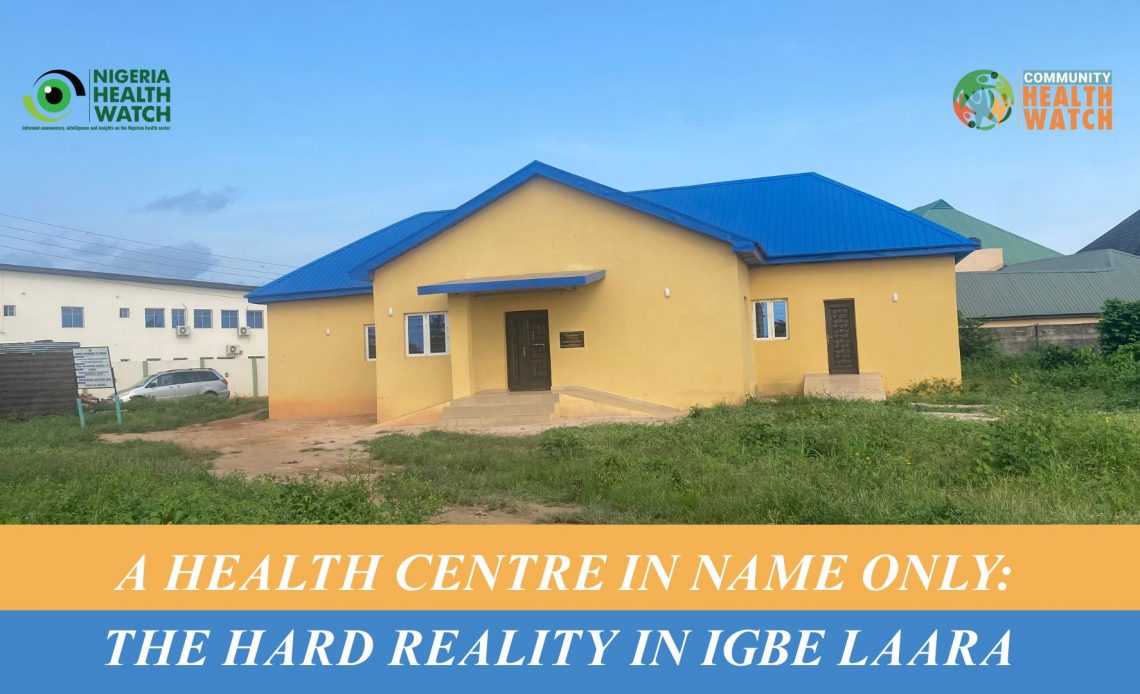
The struggle pregnant women face at the Primary Health Centre (PHC) in Igbe Laara located in Ikorodu, Lagos, is a daily reminder that a building alone cannot save lives. Mothers see the big signboard but the services they desperately need remain out of reach.
Vivian Godwin, a heavily pregnant resident, shared her frustration. “I went for tests and registration, but they said my blood was low. After the second test, they told me they could not register me and transferred me to the General Hospital.”
The PHC in Igbe Laara, is classified as a Level 2 facility that should provide routine antenatal care, delivery services, and basic laboratory tests. However, the centre is not fully functional and does not currently operate as a Basic Healthcare Provision Fund (BHCPF) focal facility.
With no laboratory or delivery services at the PHC, Vivian turned to a private clinic and later her church for care.

The PHC is meant to serve households across Igbe Laara, Alagemo, and parts of Elepe, yet residents say the facility sometimes remains locked for days at a time. Without staff and equipment, the centre cannot offer basic services, forcing pregnant women to travel several kilometres to PHCs in Okeletu, Ijede, or the Ikorodu General Hospital.
For many, transportation is a major barrier. Poor roads and high transport fares make emergency care difficult, especially at night. As a result, women increasingly rely on private clinics, traditional birth attendants, and faith-based homes, often at higher financial and medical risk.
Another mother, Mrs Nguru, said, “I take my child to the centre, but for myself, I travel to Okeletu. Transport is costly. We need a lab and a pharmacy here.”
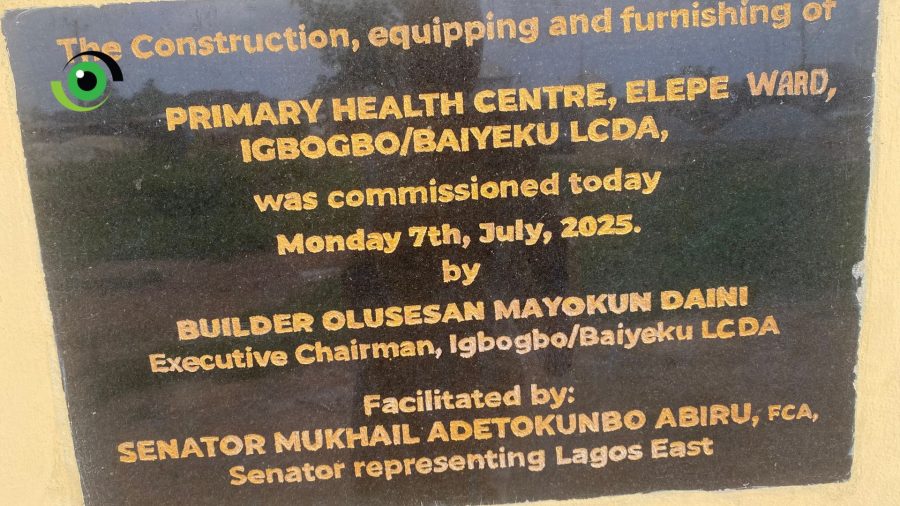
Image credit: Nigeria Health Watch
Residents like Alexandra Umeze now feel abandoned. “My wife went for antenatal enquiries but was told they had not started. She now travels far for care. It is unfair.”
A senior nurse confirmed the gaps: “We do not have a laboratory yet, and we lack staff. I rotate between two facilities weekly.”
According to maternal health experts, lack of skilled staff and essential equipment directly increases the risk of complications, delays timely referrals, and pushes women toward unsafe alternatives.

Nigeria’s Health Sector Renewal Plan (2023–2027), through its second pillar of the four-point agenda, seeks to strengthen PHC systems. The experience of Igbe Laara illustrates the urgent need to operationalise PHCs, ensure staffing, and provide equitable access to essential maternal services.
Government and stakeholders should therefore urgently;
- Deploy skilled staff to keep the facility door open,
- Equip the Igbe Laara PHC, and
- Improve transport access to reduce maternal risks.
As the Baale of Alagemo puts it, “Ilera looro, meaning health is wealth.” No mother should have to gamble with her life because a health centre exists only in name.