


Yasir Jamal Bakare and Onyinye Oranezi (Lead writers)
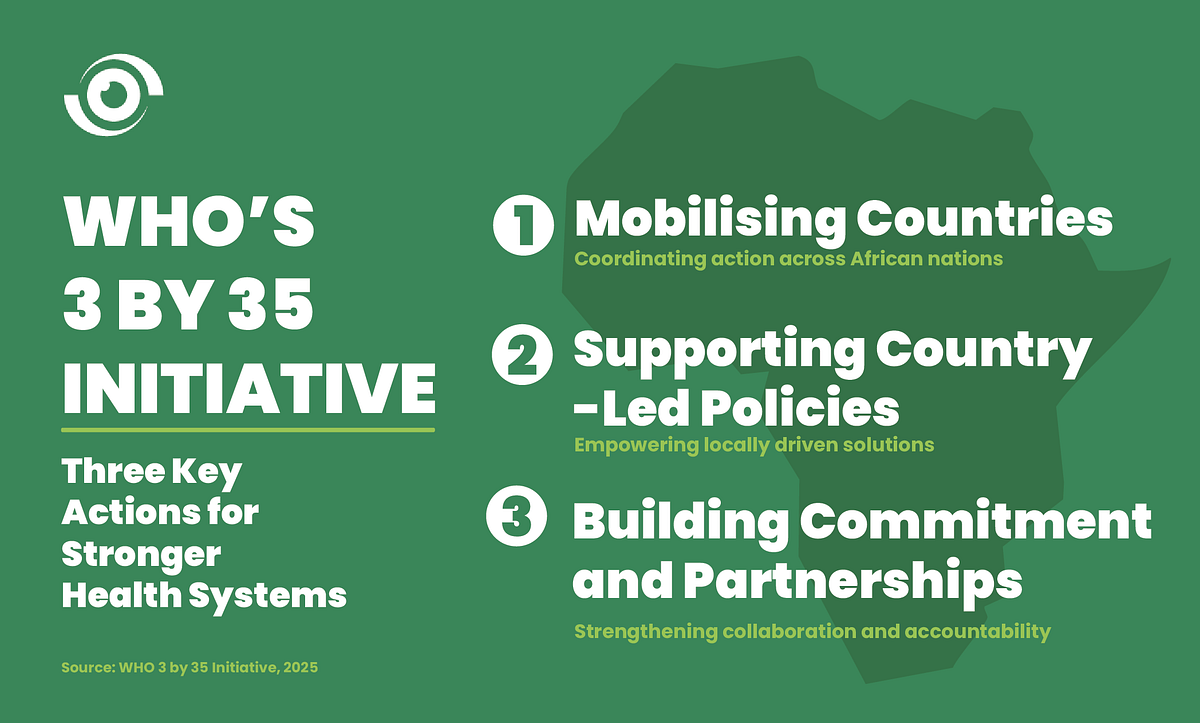
In July 2025, the World Health Organization (WHO) launched the 3 by 35 Initiative, calling on countries to use health taxes to increase the real retail prices of tobacco, alcohol, and sugary drinks by at least 50% by 2035. WHO presents this as a public health and financing strategy to reduce harmful consumption, prevent disease, and generate an estimated US$1 trillion in additional public revenue globally over the next decade.
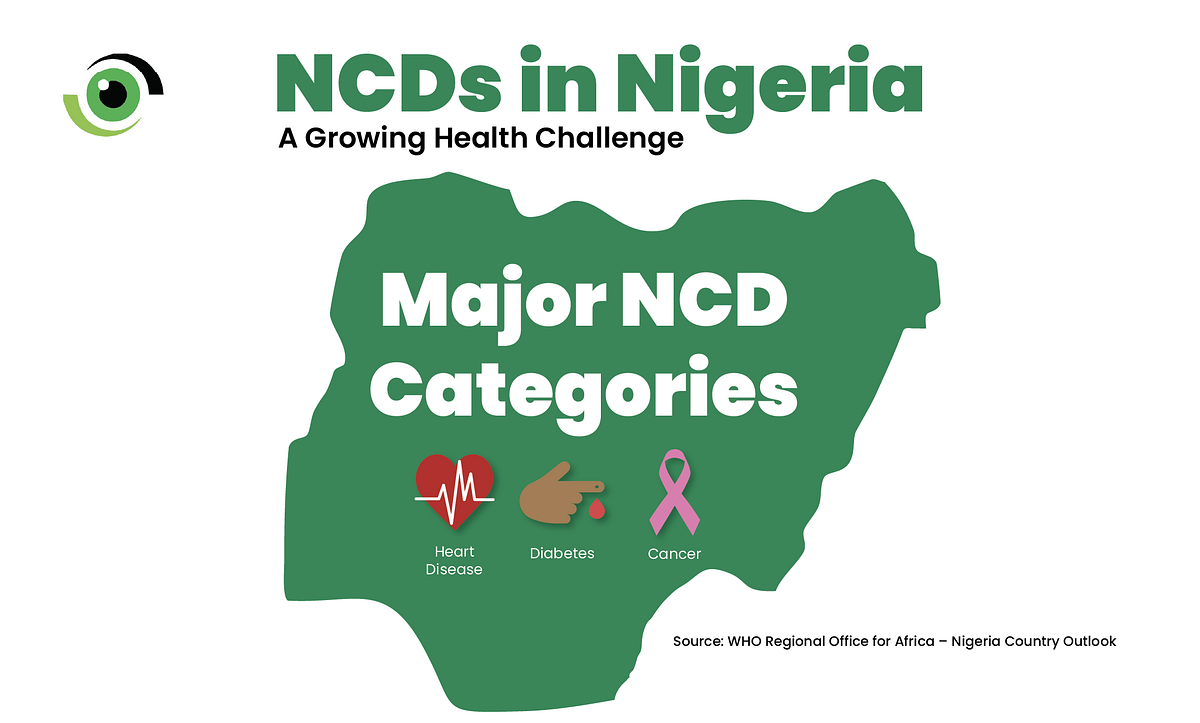
The initiative is especially relevant for Nigeria, where noncommunicable diseases (NCDs) already place a heavy burden on households and the health system, and NCDs account for 27% of all deaths. Key drivers include tobacco use, harmful use of alcohol, and unhealthy diets high in sugar and salt. This is why well-designed health taxes matter as both a public health and domestic financing tool.
WHO emphasises that well-designed health taxes can reduce harmful consumption, save lives, and generate revenue for governments to allocate to health and other social priorities. They can also support progress towards SDG target 3.4 on premature NCD mortality and strengthen domestic financing for universal health coverage (UHC).

Health taxes deliver results if prices rise in real terms
Analyses from WHO and other organisations have consistently shown that raising the prices of harmful products through taxation reduces consumption. As Dr Jeremy Farrar, WHO Assistant Director-General for Health Promotion and Disease Prevention and Care, noted during a WHO press briefing, “The evidence from tobacco is obviously very extremely strong, that if taxation is increased, consumption reduces, and we can anticipate from the existing evidence that this will be true for alcohol and sugary drinks as well.” Between 2012 and 2022, nearly 140 countries raised tobacco taxes enough to increase real prices by more than 50% on average, demonstrating that large-scale tax reform is feasible. Similar tax strategies for alcohol and sugar-sweetened beverages (SSBs) have also reduced consumption in multiple settings, especially where taxes are well designed and maintained in real terms. Despite such evidence, many countries, including Nigeria, still use tax structures that are too weak to change behaviour at scale. WHO has warned that alcoholic and sugary drinks are becoming more affordable in many countries because tax rates are not keeping pace with inflation and income growth, weakening the public health effect of excise policy.
Nigeria’s current SSB excise tax remains modest. The Finance Act 2021 set an excise duty of ₦10 per litre on non-alcoholic, carbonated, and sweetened beverages, which took effect from 1 January 2022. Civil society advocates, including Corporate Accountability and Public Participation Africa (CAPPA), have argued that this level is too low to significantly reduce consumption or generate substantial revenue, and they have called for a much stronger rate. WHO’s earlier guidance on sugary drinks noted that fiscal policies that raise retail prices by at least 20% can reduce consumption, while the newer 3 by 35 initiative sets a more ambitious long-term benchmark of 50% real price increases across tobacco, alcohol, and sugary drinks by 2035. CAPPA argued that Nigeria’s current SSB tax design leaves major health and fiscal gains unrealised. In a 2025 advocacy statement, the organisation said Nigeria could be missing out on more than ₦200 billion in annual revenue and called for an increase to at least ₦130 per litre.
What Nigeria stands to gain
When designed and implemented well, health taxes deliver a triple dividend for Nigeria:
- Higher prices reduce consumption of harmful products, which lowers exposure to major NCD risk factors over time. WHO identifies taxes on tobacco, alcohol, and sugary drinks as effective and cost-effective tools for preventing disease and injury.
- Health taxes can generate public revenue for the general budget and for priority investments such as prevention, PHC, and financial protection. WHO also notes that health taxes can be a short- and medium-term revenue booster.
- Health taxes can improve equity when they reduce harmful consumption and lower future health-care costs, especially for lower-income households that often face higher NCD risk and greater financial vulnerability.
Policy considerations for Nigeria
To unlock the full potential of health taxes, Nigeria should focus on three priorities:
- Adopt a stronger, smarter tax framework. Raise excise taxes on tobacco, alcohol, and sugary drinks using evidence-based benchmarks aligned with WHO’s health tax guidance and the 3 by 35 ambition. Combine higher rates with better design, by prioritising specific taxes and, where relevant, ingredient-based approaches such as sugar-content thresholds, and automatically index rates to inflation and income growth so harmful products do not become more affordable over time.
- Strengthen implementation, enforcement, and cross-government coordination. Health tax reform will only work if policy is matched by delivery. Nigeria should improve tax administration, product classification, licensing, compliance checks, and enforcement, with clear roles for finance, health, customs, and tax authorities. This should sit within a formal multisector roadmap that also includes civil society, academia, and development partners to build technical alignment and sustained political support.
- Build trust through transparency, accountability, and policy protection. The government should clearly prioritise a portion of health tax revenues for prevention, primary health care (PHC), and NCD services, and back this with transparent allocation rules, public reporting, and independent oversight. It should publish annual tax-and-health impact reports (covering rates, inflation adjustments, revenues, and key health indicators), and protect policymaking from industry interference through transparent consultations, conflict-of-interest safeguards, and independent evidence review.
Health taxes are not a silver bullet, but they are among the most effective tools Nigeria has to reduce NCD risk, improve equity, and raise domestic health financing. The case for stronger taxes is clear, but the real test is implementation through sound design, consistent enforcement, and transparent monitoring.
This is also a political economy issue. Evidence matters, but so do public trust and policy discipline. The government should expect pushback, clearly communicate the health and revenue case, and protect policymaking through transparency and accountability. It should also track what matters, such as real price increases, the tax share of the retail price, affordability trends, revenue raised, and changes in consumption and risk factors. Without routine measurement and public reporting, reform will be harder to defend and less impactful.
For Nigeria, where the NCD burden is already high, and pressure on the health system is growing, stronger health taxes are no longer just a fiscal option, they are now a practical public health and financing imperative.