



Sheriff Gbadamosi and Favour Ani (Lead writers)
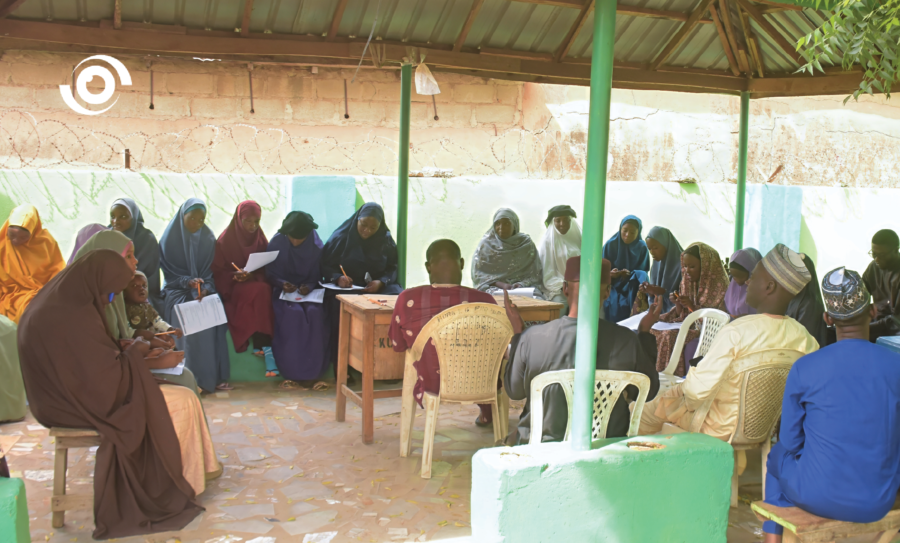
On a humid afternoon in Kano State, a group of women sat in a circle inside the Bunkure Primary Health Care (PHC) facility, debating whether to eat eggs during pregnancy. One woman insisted that eating eggs would cause a baby to grow “too big,” leading to a difficult delivery. Others nodded in agreement. This is not due to ignorance; it reflects the decline of structured nutrition and maternal health education within the community.
This is because nutritional counselling primarily takes place in groups at the facility level, while community-based counselling is uncommon. Session frequency varies, and many providers underuse job aids and lack funds for practical demonstrations such as food preparation. For years, antenatal clinics across Nigeria regularly held group health talks on maternal nutrition, breastfeeding, birth preparedness, and newborn care. Currently, in many facilities, these sessions are irregular or no longer held, due to staffing shortages, increasing patient loads, and weak accountability for preventive services.

Maternal nutrition outcomes depend not only on food, but on trusted health literacy
When the quality of education women receive is poor or inconsistent, misinformation fills the gap. Women then make high-stakes decisions based on incomplete or incorrect information about pregnancy diets, supplements, breastfeeding, and care-seeking shaped by fragmented advice, inherited beliefs, and whatever their household budget can afford. As Nigeria confronts a worsening nutrition crisis, restoring structured, community-anchored health literacy platforms may be one of the most cost-effective ways to improve Maternal, Newborn and Child Health (MNCH) outcomes.
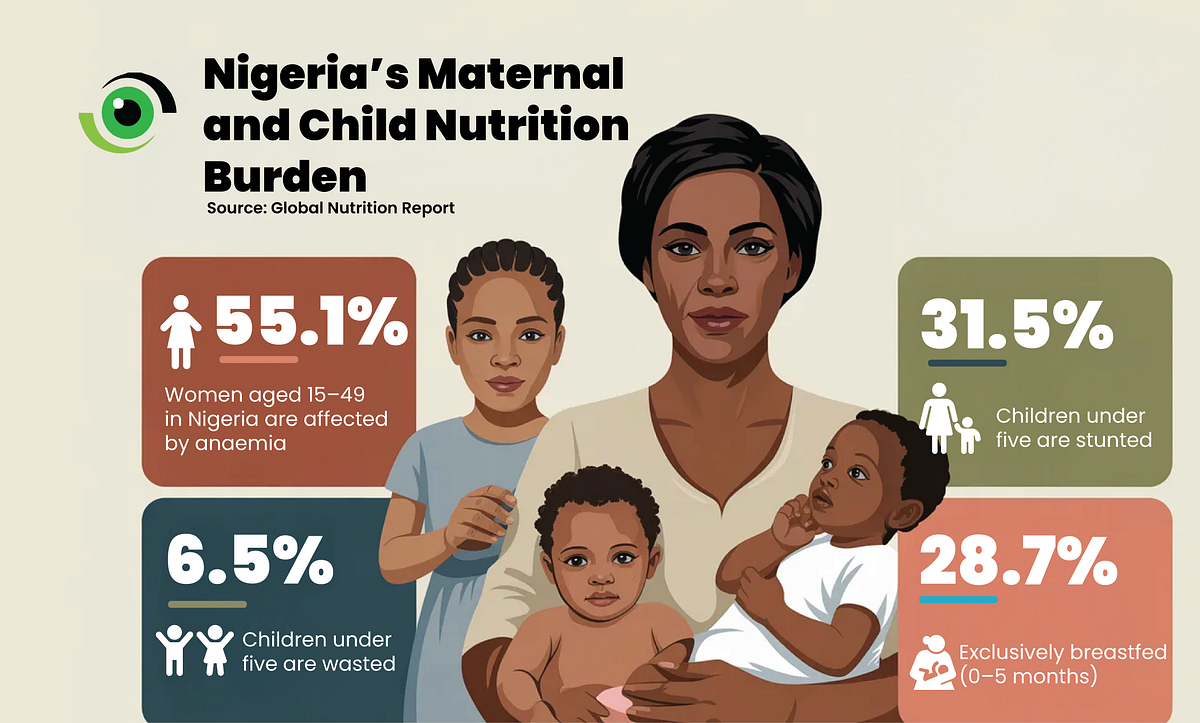
Globally, the World Health Organization (WHO) affirms that adequate maternal nutrition and counselling during antenatal care significantly improve birth outcomes and newborn survival. Similarly, the United Nations Children’s Fund (UNICEF)’s maternal nutrition programming guidance highlights maternal nutrition counselling and community-based education as essential to preventing intergenerational malnutrition. Yet, food availability alone does not solve the problem.
Nutrition involves more than just access to nutritious foods during pregnancy and early motherhood. It encompasses knowledge, confidence, household decision-making, and the beliefs that shape what women eat. A recent systematic scoping review demonstrated that higher maternal health literacy correlates with better utilisation of prenatal care, attendance at skilled delivery, breastfeeding practices, supplement intake, and recognition of danger signs, all of which are linked to structured health education.
What system-embedded health literacy can look like
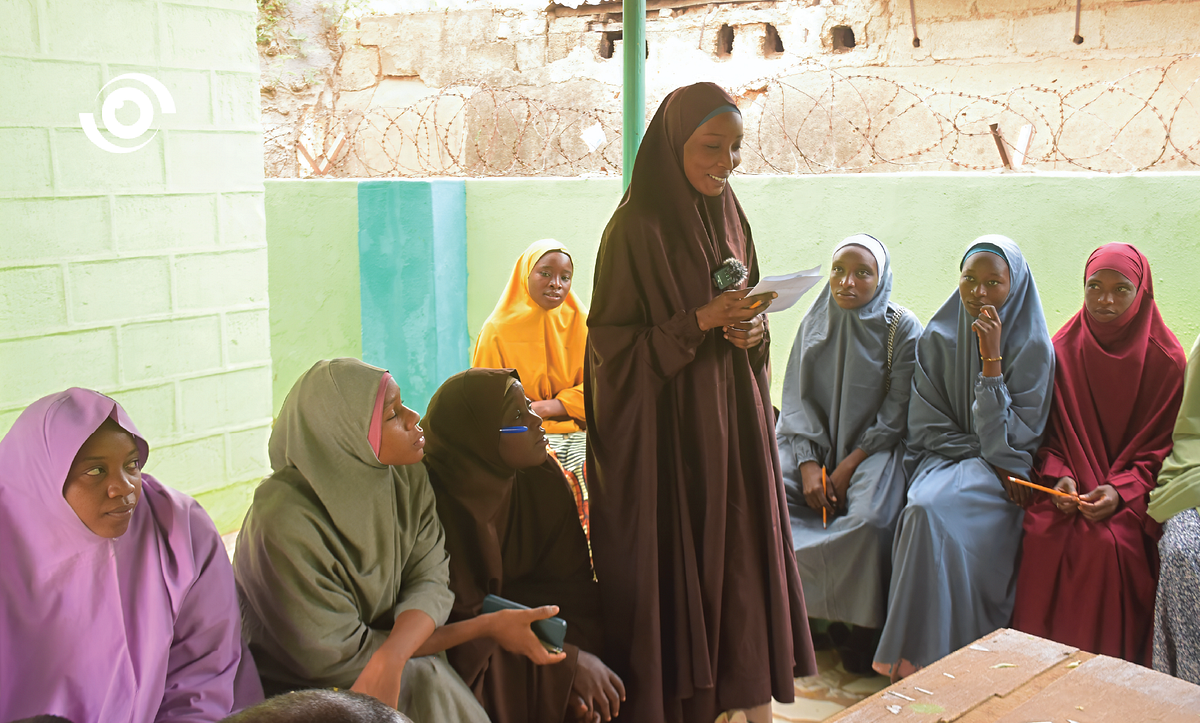
In response to these gaps, the Akin Savvy Initiative, in collaboration with Nigeria Health Watch, supported a health literacy club in a Kano community to create a safe, interactive platform where women of reproductive age could learn, ask questions, and collectively correct misconceptions. Sessions incorporated local language for better context and understanding, using seasonal food mapping, practical examples, peer discussions, and hands-on activities such as creating a local food timetable.
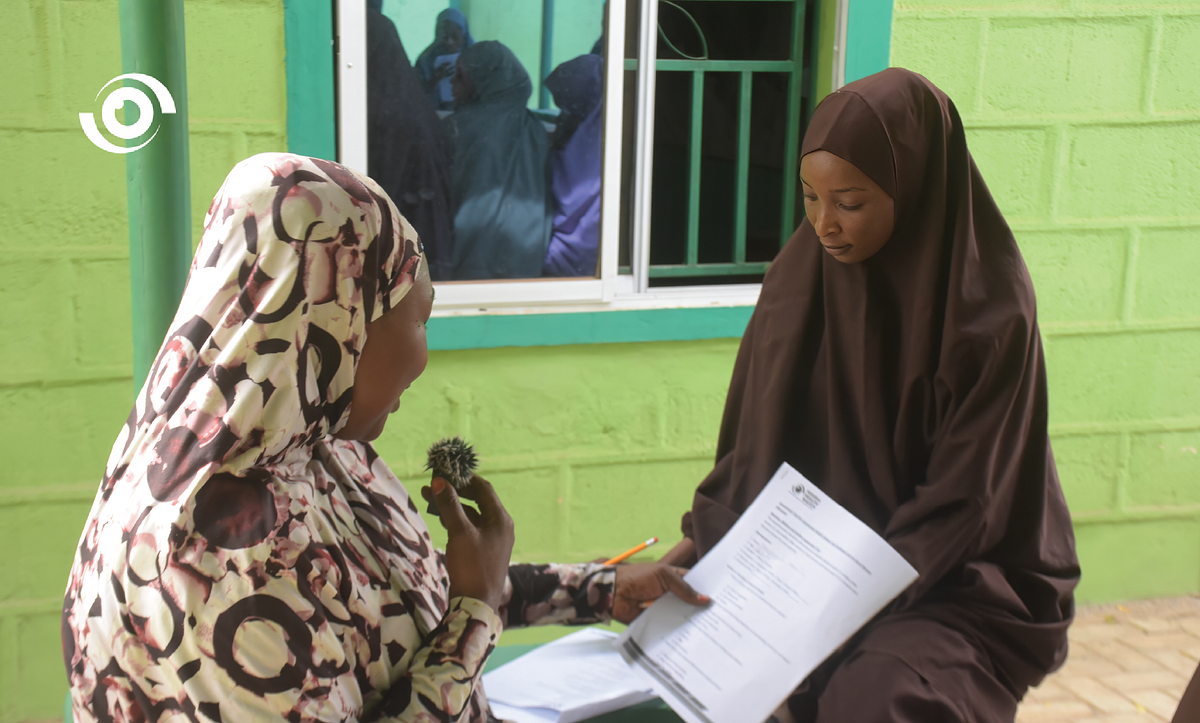
Image Credit: Nigeria Health Watch
Women in the club discussed common beliefs about proteins in their diets, supplements, and diet diversity. A member, Aisha Rabiu Sulaiman, 26, noted that “I avoided protein all my puberty life. I believed eating protein during menstruation was harmful.” However, she explained that everything changed on the first day she attended a club session. “At first, I disagreed, but after the session, I realised how very important protein is, especially for women.” Members of the club now show improved understanding of maternal nutrition needs and greater confidence in seeking healthcare services.
Across Nigeria, there are settings where structured maternal health education remains integrated into PHC delivery. Lagos PHC service requirements already list nutrition education, micronutrient supplementation, and health education as PHC services. In Bauchi, the government has launched initiatives to activate nutrition corners and create facility gardens at PHCs to reduce the high burden of malnutrition in the state. Ward Development Committees (WDC) also support community engagement platforms that enhance maternal health dialogue and accountability. The question is no longer whether health literacy works; the real issue is whether Nigeria will recognise it as essential health system infrastructure.


Image Credit: Nigeria Health Watch
Embedding maternal nutrition literacy into core PHC delivery
To sustainably improve MNCH outcomes, Nigeria must transition from isolated pilots to comprehensive system-wide integration.
- Structured maternal nutrition and health-literacy sessions should be explicitly recognised and monitored as integral components of routine PHC delivery.
- States should allocate funding for preventive education as genuine work, not just as an abstract supplement.
- WDCs should help build community trust, boost attendance, and collect feedback.
- Policymakers should prioritise measuring knowledge-related indicators rather than solely focusing on commodity or attendance metrics. Nigeria’s nutrition programmes have already shown that tracking and enhancing knowledge are feasible. This approach should be more intentionally applied to maternal nutrition within PHCs.
Nigeria’s PHC revitalisation agenda will remain incomplete if it continues to prioritise buildings, commodities, and head count while leaving health literacy to chance. Maternal nutrition counselling should no longer depend on whether a particular facility has a committed worker on duty that day.
It should be planned, funded, supervised, and evaluated as an essential PHC activity. Until that happens, too many women will continue facing pregnancy with advice from everywhere except the health system that is meant to serve them.