



Zubaida Baba Ibrahim (Lead writer)
Editor’s note: This interview has been lightly edited for clarity and length. The sweat-based strip described below is a prototype intended for screening and does not replace confirmatory tuberculosis testing or drug-resistance assessment.
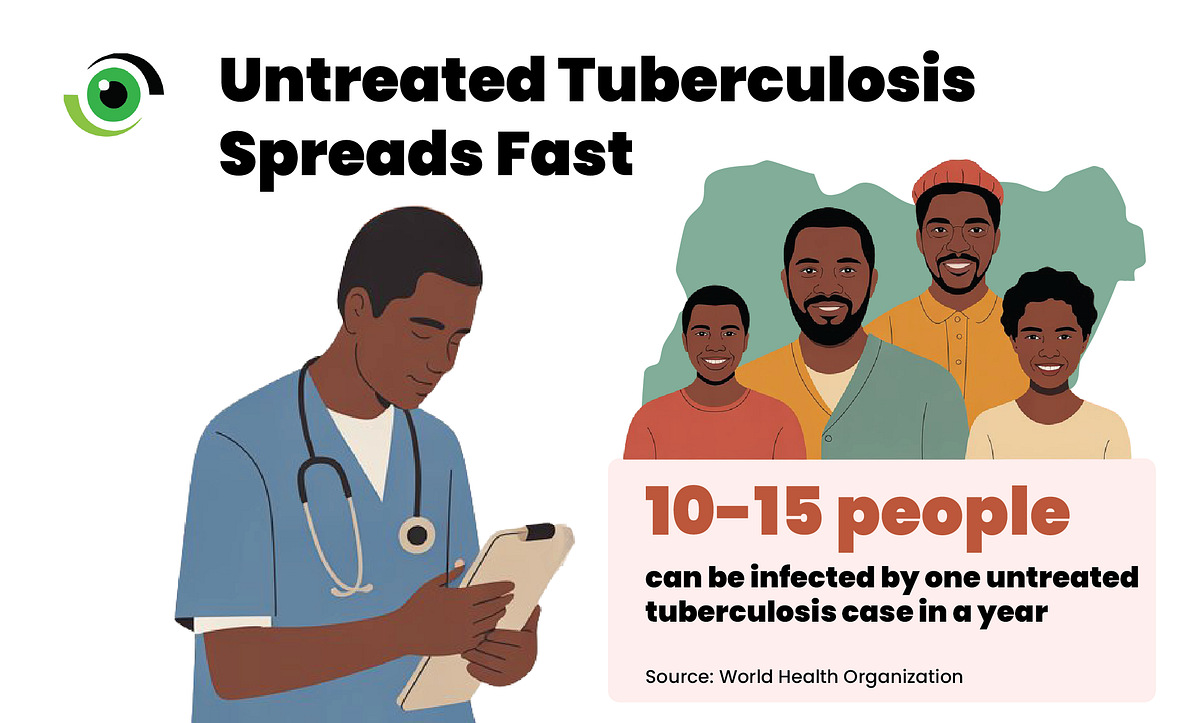
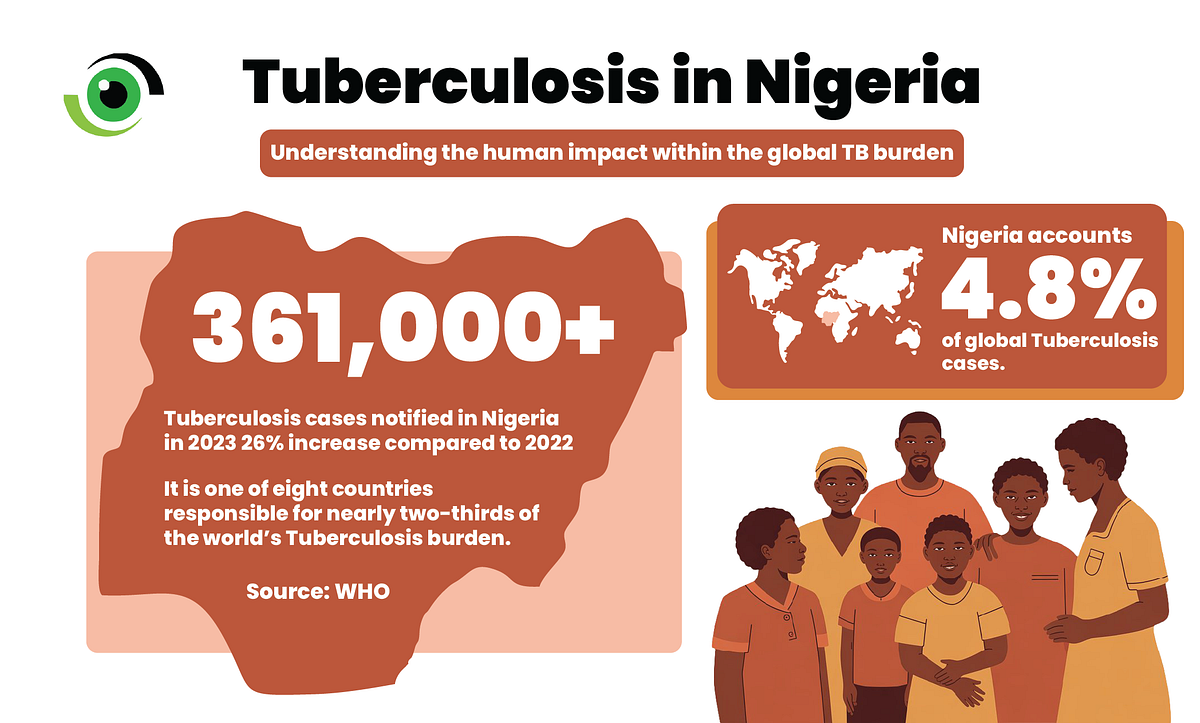
The Global Tuberculosis Report 2025 lists Nigeria among eight countries that together accounted for about two-thirds of the world’s tuberculosis (TB) burden in 2023. Nigeria alone accounted for about 4.8% of global cases. In 2023, Nigeria reported over 361,000 notified TB cases, a 26% increase compared with 2022, an increase that signals progress in finding people with TB, but also the size of the missed population is still outside care. Untreated TB keeps spreading. A person with untreated TB can infect around 10–15 people in a year through close contact.

In Nigeria, TB diagnosis typically involves an initial screening step followed by confirmatory testing. When equipment, cartridges, and quality systems are available, clinicians use World Health Organization (WHO)-recommended rapid molecular tests such as Xpert and Truenat to detect TB and rifampicin resistance on appropriate platforms. TB-LAMP can help expand access to molecular TB detection, but it does not detect drug resistance, so therefore cannot substitute for tests that do. Access is these diagnostics remains uneven.
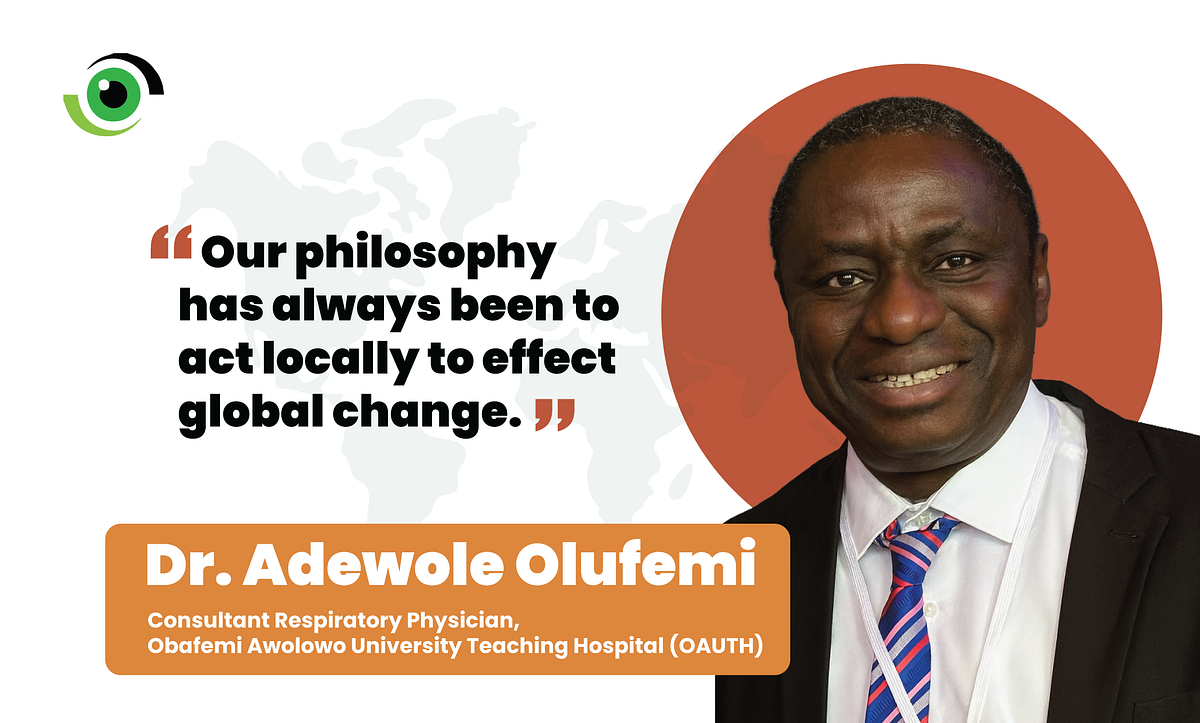
Stock-outs, power supply interruptions, maintenance gaps, sample transport delays, and workforce shortages can leave people with symptoms waiting too long for testing and treatment, especially in rural areas and hard-to-reach communities. That is the gap Dr Olufemi Adewole, a consultant physician in respiratory medicine at Obafemi Awolowo University Teaching Hospital in Ile-Ife, is trying to address with a sweat-based screening prototype, a strip designed to give a rapid screening result in roughly 10–20 minutes.
Q: You work closely with TB patients. When did you feel compelled to look for faster ways to diagnose TB?
Dr Adewole: In our clinic, TB makes up a large share of what we see, including people with active disease and people returning with symptoms after previous treatment. What kept bothering me was the delay; the delay before people present, and the delay within the system after they do. In my experience, by the time some patients are diagnosed, they may already have exposed others. And even when patients come early, results can still take days due to workflow issues such as sample processing, queues, or test access. That was the backdrop for asking how we can reduce delays and remove barriers so more people can be quickly examined and linked to proper testing and treatment.
Q: Why sweat, and what would it solve that sputum testing struggles with?
Dr Adewole: Many people with TB report night sweats, and that made me ask whether sweat could contain signals we could use for screening. Sweat is rarely explored for infectious-disease triage, yet it is easy to collect without coughing up sputum. The point is not to replace confirmatory tests. The idea is to create a simple, non-invasive way to quickly assess people, especially where producing sputum is difficult or where clinic workflows create delays. The strip targets TB-associated markers in sweat as performance results are still being validated.
Q: What would a sweat-based strip change for patients and health workers in practical terms?
Dr Adewole: With sputum testing, people often have to come to a facility, produce a sample, and then wait. I wanted something that could support rapid, point-of-care screening and help assess people early. The current prototype is a non-invasive strip placed on the skin, such as the forearm or upper chest, to collect a sweat sample for about 5–10 minutes. The strip is then read within another 5–10 minutes to show a positive or negative screening result. If the result is positive, the instruction is to seek confirmatory TB testing and appropriate care at a health facility.
Implementation realities in Nigeria, intended use, and what this is not
This tool should be positioned as a screening strip, not a home diagnostic test, until evidence, safeguards, and regulations support broader use. The most defensible early use case in Nigeria would be to screen people presenting with cough or other TB symptoms to prioritise same-day confirmatory testing. Another potential use case is deployment for outreach teams to screen in high-risk settings (e.g., contact tracing, in urban poor settlements, or in remote communities), but only where confirmatory testing and reliable linkage to care are guaranteed.
Home self-testing is a separate category with higher ethical and safety demands, such as clear instructions, harm-minimisation messaging, counselling pathways, referral tracking, and safeguards against false assurance. Until accuracy is quantified and a supervised algorithm is proven, describing the strip as a self-test risks doing public harm. For a strip to help Nigeria’s National TB, Leprosy and Buruli Ulcer Control Programme (NTBLCP), it must be engineered for programme constraints, not laboratory models. A screening tool cannot compensate for chronic bottlenecks. If power supply, cartridge stock, machine uptime, sample transport, and treatment availability remain unstable, screening can lead to increased frustration.
Nigeria needs faster TB triage, but speed must not be at the expense of accuracy. A sweat-based strip is an intriguing concept because it aims to address delays linked to sputum-collection challenges and congested testing workflows. Dr Adewole’s study suggests that sweat may contain TB-associated signals, and growing patient activity points to interest in translating this work into devices. However, Nigeria cannot afford diagnostic optimism. Before any discussion of scale-up conversation, the strip would need to earn trust through transparent, independent validation. This includes clear sensitivity and specificity against appropriate reference standards, demonstrated performance in key populations including people living with HIV, children, and those with prior TB, and a programme-level algorithm that minimises harm from false reassurance or unnecessary referral.
If a sweat-based test strip proves effective, its value would not lie in replacing molecular testing, but in getting more Nigerians to it earlier, with fewer missed cases, faster linkage to treatment, and fewer opportunities for transmission. That is how innovation becomes public value, not as a headline, but as a verified component within a stronger TB system.