


Yasir Jamal Bakare (Lead writer)
Global health is undergoing a period of adjustment as ambitions are reassessed in light of current economic and geopolitical conditions, with greater attention to fiscal and political realities. For years, the health sector has been driven by bold declarations and ambitious targets, while assuming that global solidarity would close financing gaps and absorb shocks. Today, that tone is changing. As fiscal pressures rise, aid priorities shift, and political attention fragments, global health is being forced to confront a hard reminder that sustainability cannot be built on promises alone. Future progress will depend less on stated ambition and more on alignment between goals, resources, and delivery capacity. Recent monitoring by the World Health Organization (WHO) and the World Bank shows that while service coverage has improved, financial protection has not kept pace, and out-of-pocket health spending has remained high each year.
The COVID-19 pandemic exposed how fragile health systems become when financing is episodic and heavily dependent on external support. In its aftermath, countries are navigating a more constrained funding environment shaped by geopolitical shifts, inflationary pressures, and changing donor priorities. Policies such as a renewed ‘America First’ global health strategy signal a realignment in foreign policy, where domestic interests dominate foreign assistance agendas. Funding freezes and withdrawals from development and health programmes are not isolated incidents; they are downstream effects of this shift. This was illustrated by the January 2025 US foreign assistance freeze and subsequent programme terminations. In many countries, these changes have led to disrupted programmes, delayed procurement, and widening financing gaps. The uncomfortable question is no longer ‘what works in health?’, but ‘who will pay for it, for how long, and on what terms?’
Health financing is becoming a test of sovereignty
In response, a growing number of governments and regional bodies are reframing health not as charity, but as sovereignty. The Africa Health Sovereignty Summit and the subsequent Accra Reset underscored this shift, calling for domestic resource mobilisation, local manufacturing, and stronger regional ownership of health priorities. This reframing matters because it shifts global health from a donor-led project mindset to a nation-building and economic-security imperative, changing who holds power, who is accountable, and who bears the risk when funding tightens.
When health is treated as sovereignty, domestic resource mobilisation, local manufacturing, and regional procurement stop being optional “nice-to-haves” and become the core pathway to resilience. When countries rely overwhelmingly on external financing for essential services such as vaccines, medicines, and disease surveillance, they outsource not only funding but also decision-making power. The result is a system vulnerable to global shocks and policy reversals that are beyond national control. Health financing is no longer only a technical discussion; it has become political. And increasingly, it is a test of resilience.
Coverage without protection is a fragile promise
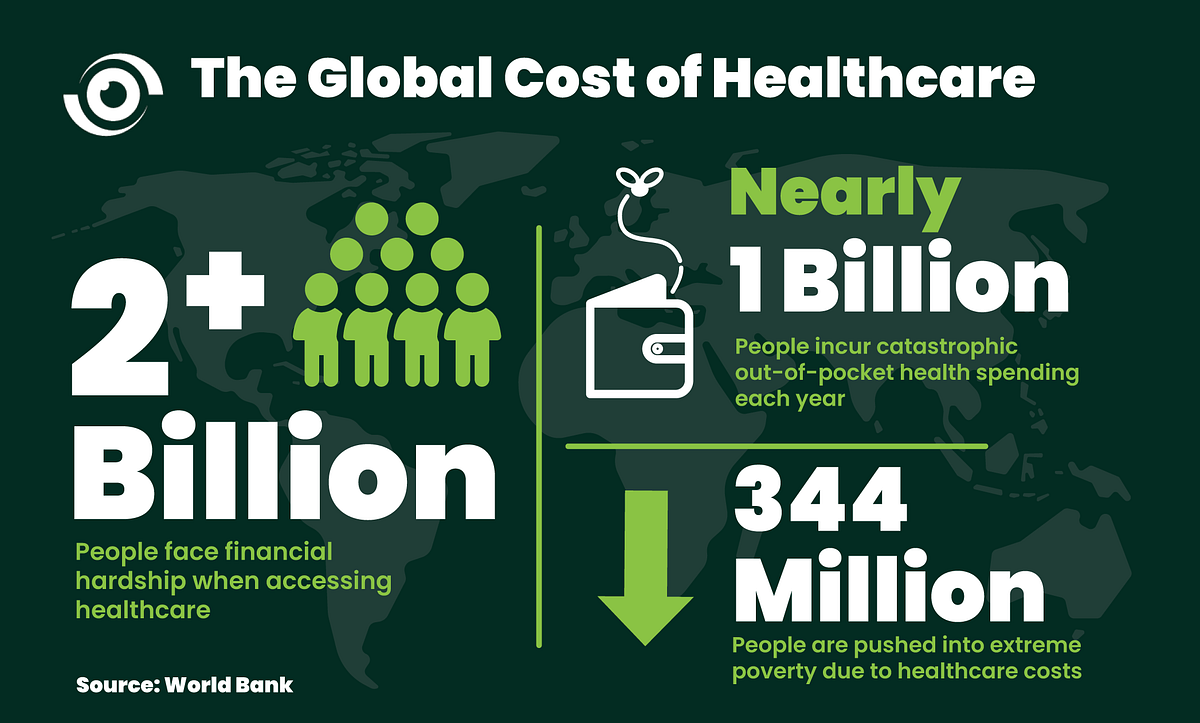
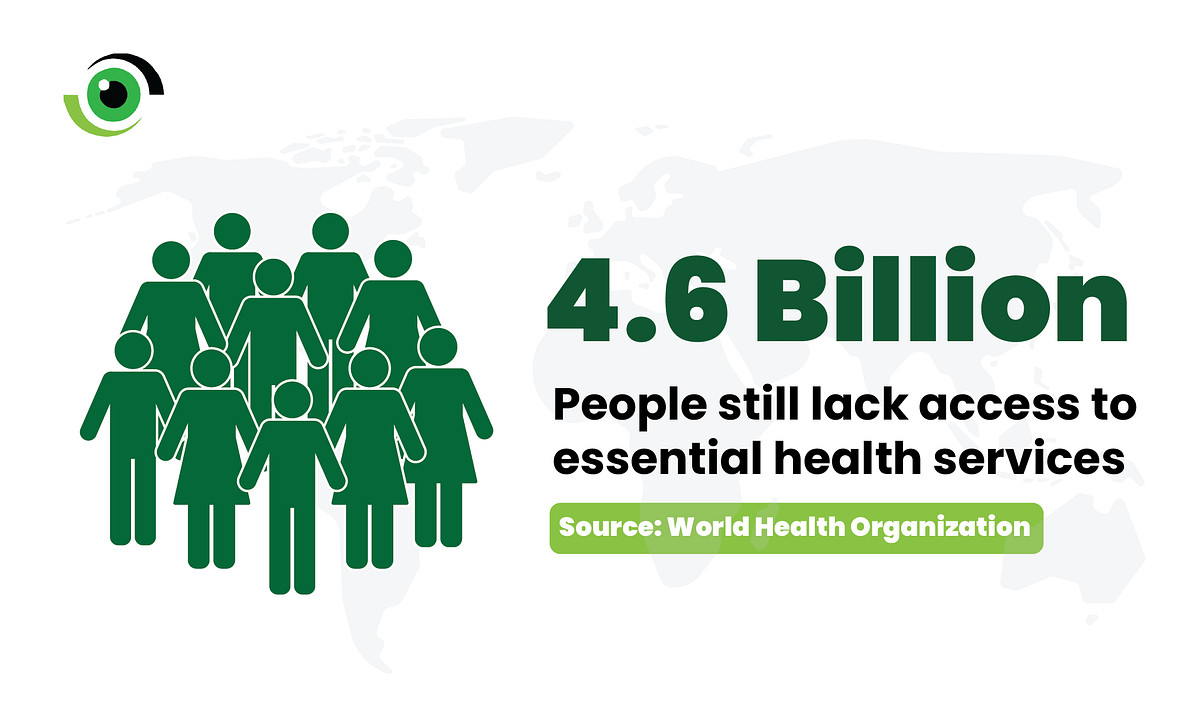
Universal Health Coverage (UHC) remains a global aspiration, but its progress towards it is under strain. About 4.6 billion people are not fully covered by essential health services, and about 2.1 billion people experience financial hardship due to health spending. If coverage exists yet remains unaffordable, can it truly be called universal? Without strong purchasing systems, risk pooling, and enforcement, health insurance may have a limited effect on people’s lived experience of care. The danger is not just underinvestment, nor is it just delayed action. Health systems pay a higher price when prevention, early diagnosis, and community-level care are postponed. This is a signal that, without sustained political commitment, health gains can be reversed faster than they are built.
The real question facing governments is whether health can become a higher priority as fiscal space tightens further and political trade-offs intensify. Countries that treat health as a discretionary expense may pay far more later through lost productivity and social instability. Those that sustain health as a foundation for economic resilience and national security will be better positioned for the shocks ahead. Responding to this moment requires moving towards credible health budgets that are released, not just approved; stronger budget execution and cash management to prevent delays and leakages; procurement reforms that prioritise value for money, transparency, and domestic capacity; payroll verification and workforce accountability, so resources reach frontline services; and priority-setting mechanisms that align spending with the most pressing health needs.
Call to action
For governments, this means treating health as a strategic investment, supported by credible budgets and strong execution. The Ministry of Finance must align health priorities with macroeconomic planning, rather than treating them as residual spending. Policymakers should strengthen oversight, procurement, and accountability, while development partners provide predictable, aligned support that reinforces rather than replaces country systems. The era of easy promises in global health is ending. What replaces it will determine whether progress is merely paused or fundamentally reset.