


Delayed care and unbearable heat are fast becoming a dangerous combination at Ojota PHC, where patients seeking help are instead met with long waits and suffocating conditions. For many residents, accessing care here feels like a risk rather than a relief.
The Ogudu/Ojota Primary Health Centre (PHC), Kosofe LGA, Lagos State, is classified as a Level 3 PHC, expected to provide comprehensive care, including antenatal care, delivery services, surgical services, and basic laboratory tests, among others.

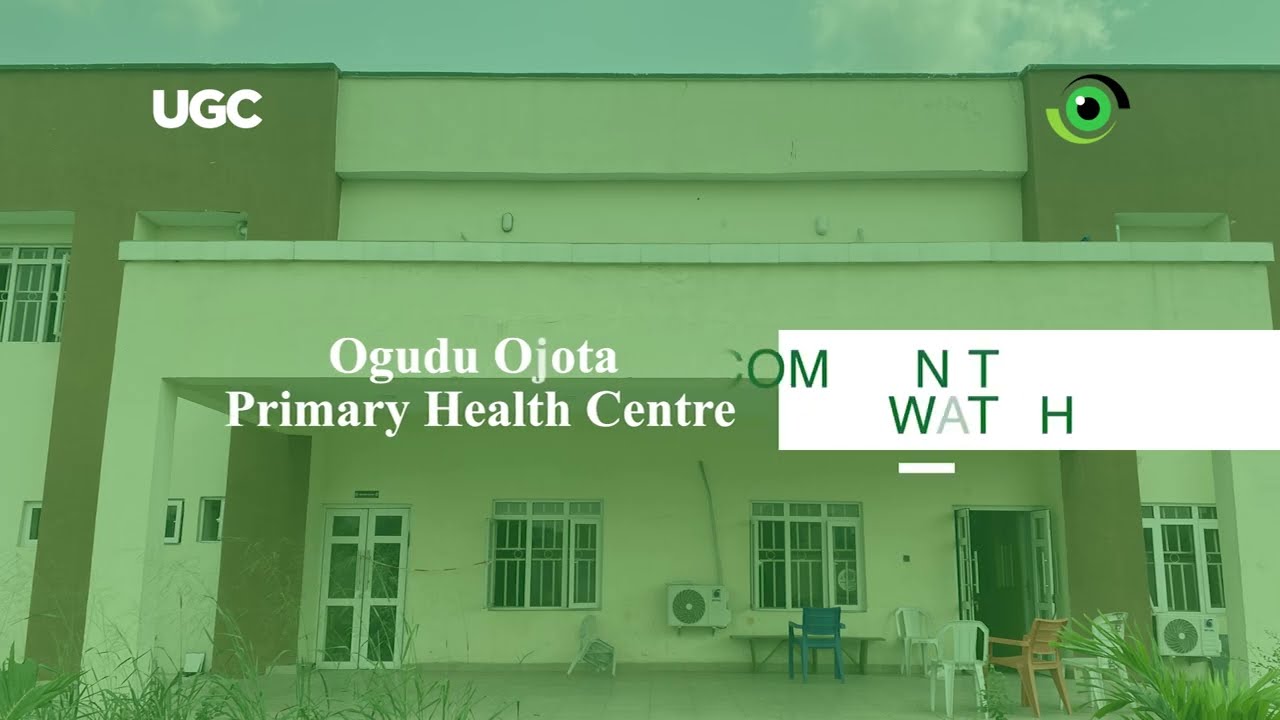
The PHC serves a densely populated urban community, attending to dozens of patients daily. Despite its strategic location, the facility faces major operational challenges. The absence of electricity creates an unsafe and uncomfortable environment, especially for pregnant women, children, and critically ill patients. Many patients opt for more expensive private hospitals due to inefficiencies and discomfort at the PHC
A young woman Iniobong (not her real name), living nearby, shared her ordeal:
“I went there with severe abdominal pain, but no proper tests were done. They told me I needed surgery and only gave me paracetamol,” she said.
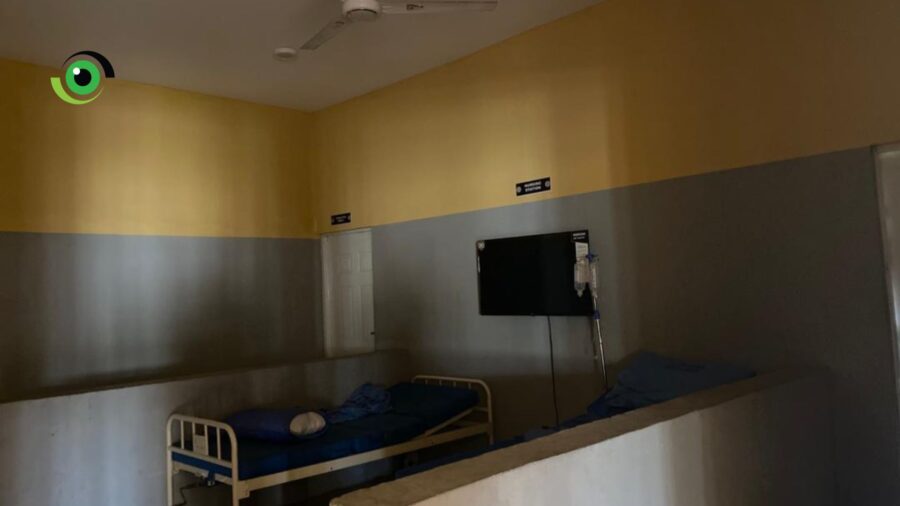
Similarly, Mrs. Kazeem recounted leaving the facility due to extreme heat and delays:
“I was scared I might faint while waiting. The heat and long queue were unbearable.”
Another resident, Olamide Aina, added:
“I nearly collapsed waiting to see a doctor. I had to go to a private hospital for faster treatment.”
Public health experts warn that delayed medical response and poor facility conditions can worsen health outcomes and reduce trust in public healthcare. Overburdened staff, combined with infrastructural gaps like a lack of electricity, significantly affect service delivery and patient safety.

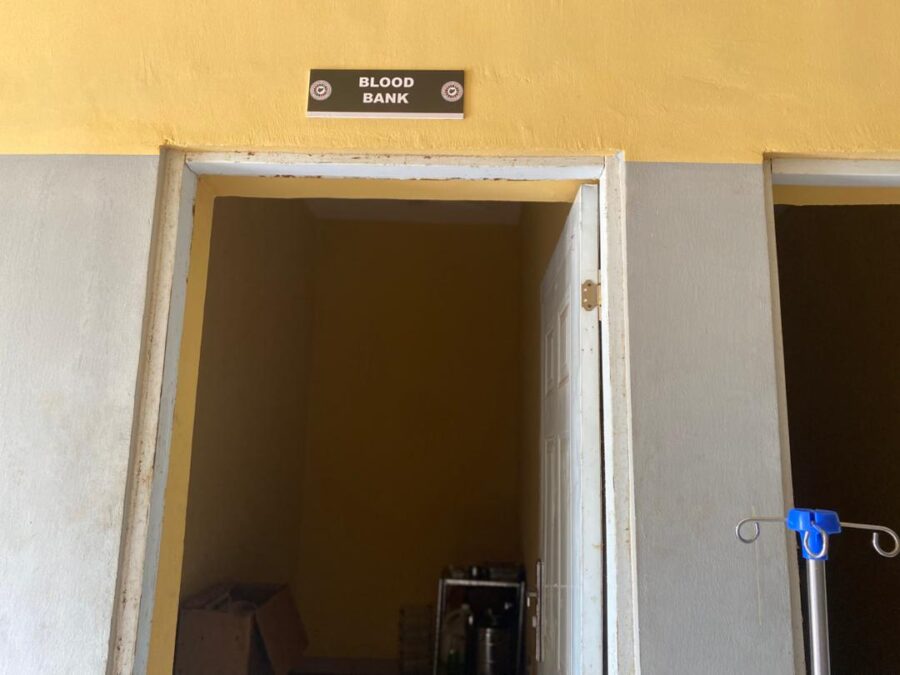
The situation highlights a strained health system where patients face delays and discomfort, discouraging utilisation. Out-of-pocket spending increases as residents turn to private care, and limited infrastructure undermines service quality despite available personnel. The absence of Basic Health Care Provision Fund (BHCPF) support further limits the facility’s capacity to improve services and expand outreach.
The Nigeria’s Health Sector Renewal Investment Initiative through the second pillar seeks to ensure an efficient, equitable, and quality health system. The challenges at Ojota PHC reflect gaps in infrastructure, staffing, and service delivery that must be addressed to achieve this goal.

Stakeholders must act urgently to:
- Ensure stable electricity supply to the facility
- Recruit and deploy adequate, patient-centred staff
- Improve service efficiency and responsiveness
Access to healthcare should bring relief, not distress. Strengthening facilities like Ojota PHC is essential to restoring trust and ensuring every patient receives timely and dignified care.