

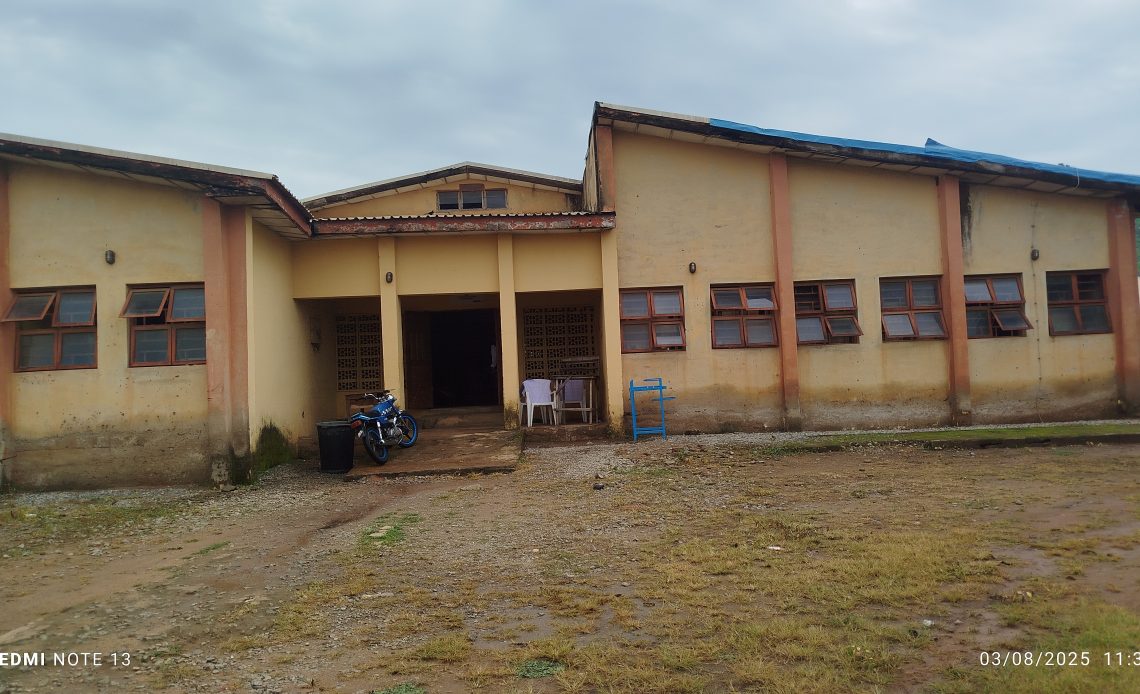
Pregnant women are increasingly relying on traditional birth attendants and home births in Gauraka town of Niger State, due to an overstretched clinic. For many, the danger begins long before labour even starts.
“Our only options are traditional birth attendants or auxiliary nurses who run medicine shops,” Sai’edi Sule, a resident explained. “At the clinic, the long wait is discouraging, and at night, no one is available.”
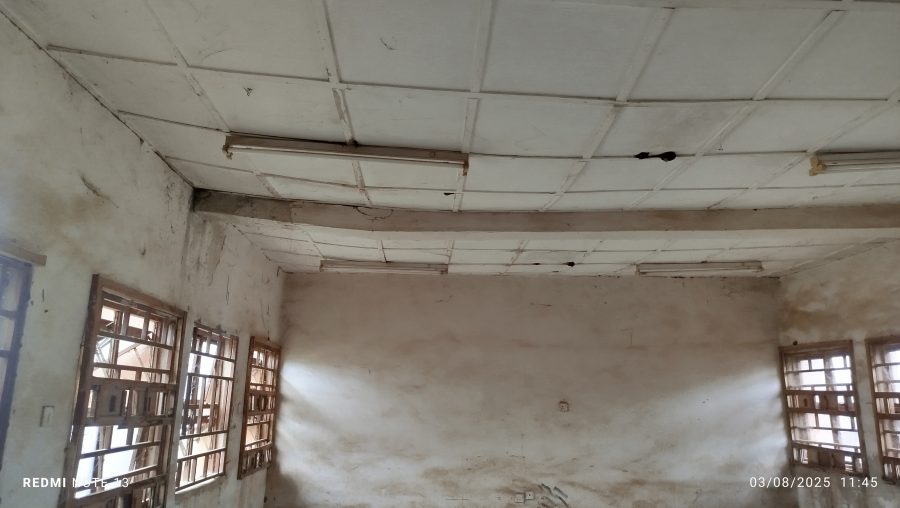
Gauraka Model Clinic, a Level 2 PHC and Basic Health Care Provision Fund (BHCPF) focal facility, is designed to serve over 30 surrounding communities, including Apo village, Gwazunu, Nassarawan Iku, and Gauraka town itself.
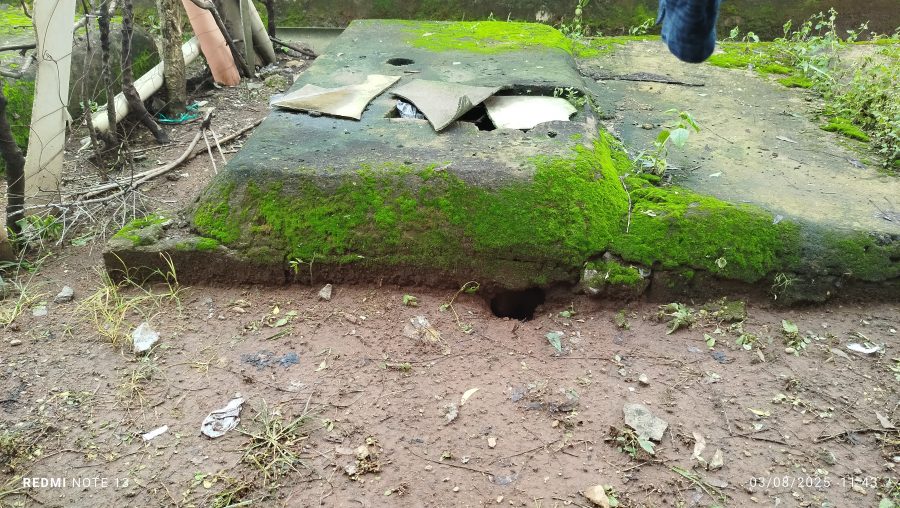
Although the clinic has adequate structural space, it operates only 12 hours daily due to a lack of electricity, limited staff, and inadequate equipment. Women from nearby communities walk or ride motorcycles for care, only to meet drug stockouts, cracked walls, a leaking roof, non-functional toilets, and a collapsing septic tank. For pregnant women, especially at night, accessing care becomes nearly impossible.

“We use candles and phone lights for labour at night because there’s no electricity,” Rose Yakubu, the Officer in Charge, stated. “Women deliver on the floor because one delivery bed is not enough.”
Health workers warn that these conditions directly fuel high maternal and newborn risks. Persistent drug shortages, limited staff capacity, and weak utilisation of the BHCPF fund severely limit service quality. “BHCPF helped us tile some parts of the clinic and manage a few toilets, but we cannot do it alone,” Yakubu added.
The strain on Gauraka Model Clinic contributes to rising home deliveries and delayed care-seeking behaviour. Inequitable access across distant communities worsens health outcomes, while insufficient funding and workforce shortages undermine the facility’s ability to reduce maternal and child deaths.
Gauraka’s challenges reflect broader systemic gaps, drug supply failures, infrastructural decay, and inadequate staffing, which must be addressed to safeguard mothers and children.
Only then can the Nigeria Health Sector Renewal Investment Initiative (2023–2027), which emphasises equitable and quality primary healthcare systems under its second pillar, be achieved. Only then can the Nigeria Health Sector Renewal Investment Initiative (2023–2027), which emphasises equitable and quality primary healthcare systems under its second pillar, be achieved.
Stakeholders should:
- Fund the complete renovation of Gauraka Model Clinic.
- Provide toilets, water systems, solar power, beds, and essential equipment.
- Increase BHCPF allocations to restore drug availability.
- Strengthen timely drug supply chains.
- Deploy more clinical and non-clinical staff.
- Expand maternal health education across communities.
“We contribute what we can to keep the clinic running, but it is beyond us,” said Village Head Mallam Zakarin Jibrin. “Without health, there is no community.”