


For over two years, residents of Dogon Kurmi Primary Health Care (PHC) have accessed healthcare in near-total darkness. A revitalised health centre meant to save lives now forces health workers to conduct deliveries with torchlights, turning moments of hope into life-threatening risks.


Dogon Kurmi Primary Health Centre is a Level 2 PHC facility located in Kagarko Local Government Area of Kaduna State. It is a Basic Health Care Provision Fund (BHCPF) focal facility, revitalised to provide 24-hour maternal, newborn, and child health services to Dogon Kurmi and neighbouring communities.
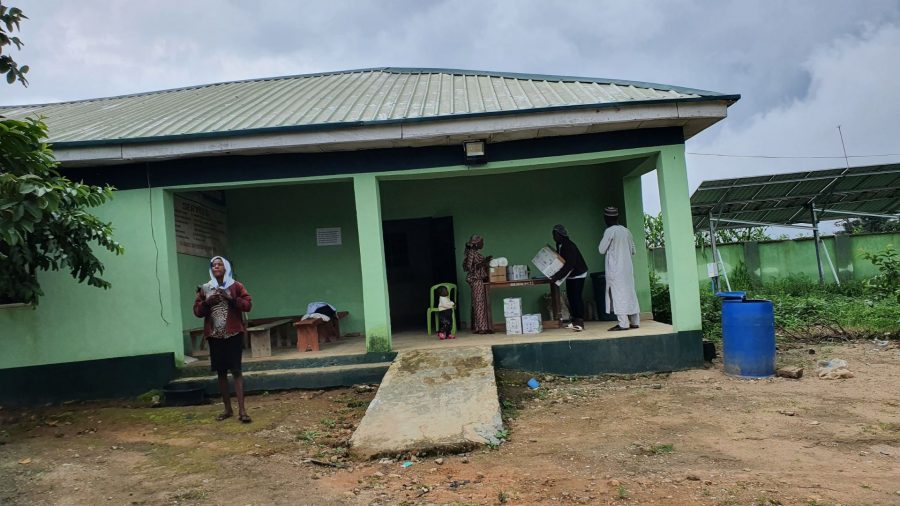
On average, the facility attends to dozens of patients daily, including pregnant women who often arrive at night during emergencies. However, the absence of electricity and running water has severely limited service delivery. The PHC serves communities within walking distance, making it a first point of care for pregnant women. Yet, lack of basic utilities, inadequate staffing, and dependence on improvised lighting undermine its purpose and discourage health-seeking behaviour.
One night, a health worker, Asabe Makama, was assisting a woman in labour when her phone light suddenly went off.
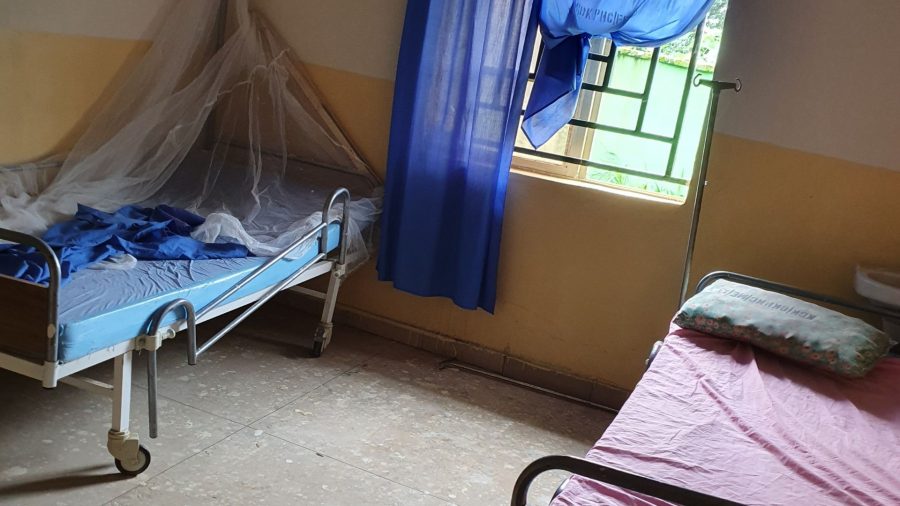
“I had no choice but to continue the delivery in complete darkness,” she recalled. “Someone ran in with another torch, but by then, the baby’s head was already out.”
Patients also share similar experiences. Debora Gabriel, a community member, recounted waiting in critical condition while staff searched for water outside the facility before treatment could begin.
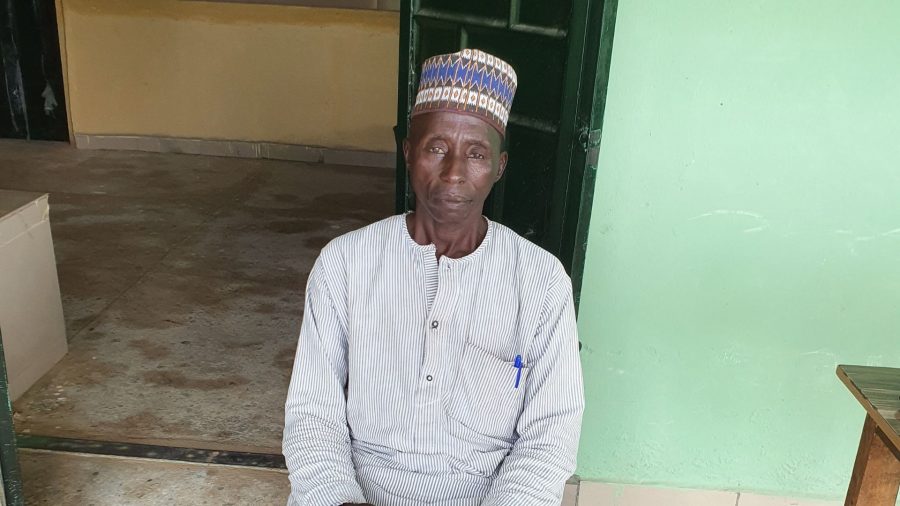
According to Mallam Makarfi, Chairman of the Ward Development Committee, the lack of electricity has crippled night services.
“Most emergencies happen at night,” he said. “Health workers rely on torchlights. We have made several appeals, but nothing has changed.”
Such conditions increase risks of maternal complications, delays in care, and staff burnout.
Despite BHCPF support, Dogon Kurmi PHC struggles to function effectively. Inadequate infrastructure weakens service delivery, erodes community trust, and limits the impact of government health investments, particularly for maternal and child health.
The second pillar of Nigeria’s Health Sector Renewal Investment Initiative prioritises efficient, equitable, and quality PHC services. Dogon Kurmi’s situation exposes the gap between revitalisation on paper and functionality on the ground.
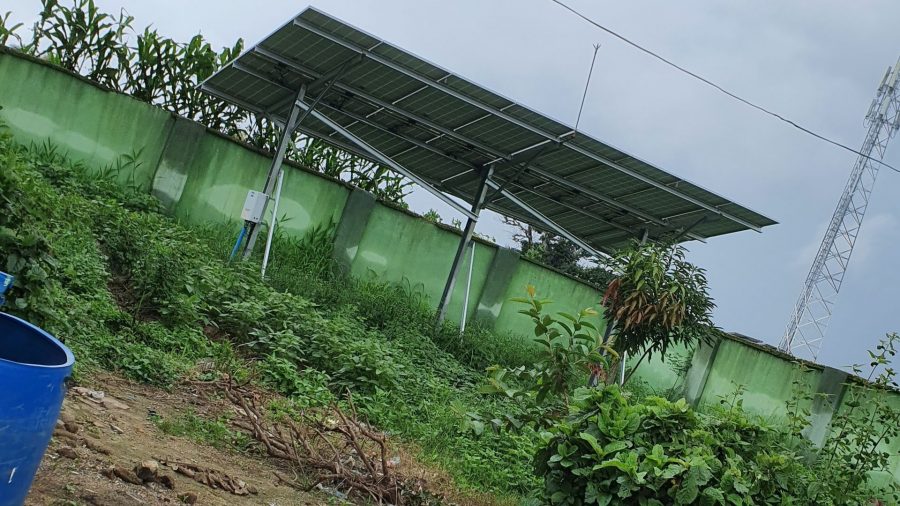
Kaduna State PHC Board and Kagarko LGA must urgently;
- restore electricity and water.
- recruit more health workers at the health facility to meet the growing health needs of the facility.
- government authorities should strengthen monitoring of revitalised PHCs and the accountability of BHCPF.
“A health centre without light cannot protect lives,” Mallam Makarfi said. “Real revitalisation begins when facilities truly work for the people they serve.”