


Many pregnant women continue to give birth at home in Baro ward, Agaie Local Government Area (LGA) of Niger state. This is not by personal choice but because their local health facility cannot meet their basic needs.
The Shaba Woshi Primary Healthcare (PHC) facility is a Level 1 facility which serves nine surrounding communities spread across one to eight kilometres. Despite being a Global Fund supported facility, it records only 30 antenatal visits per month.
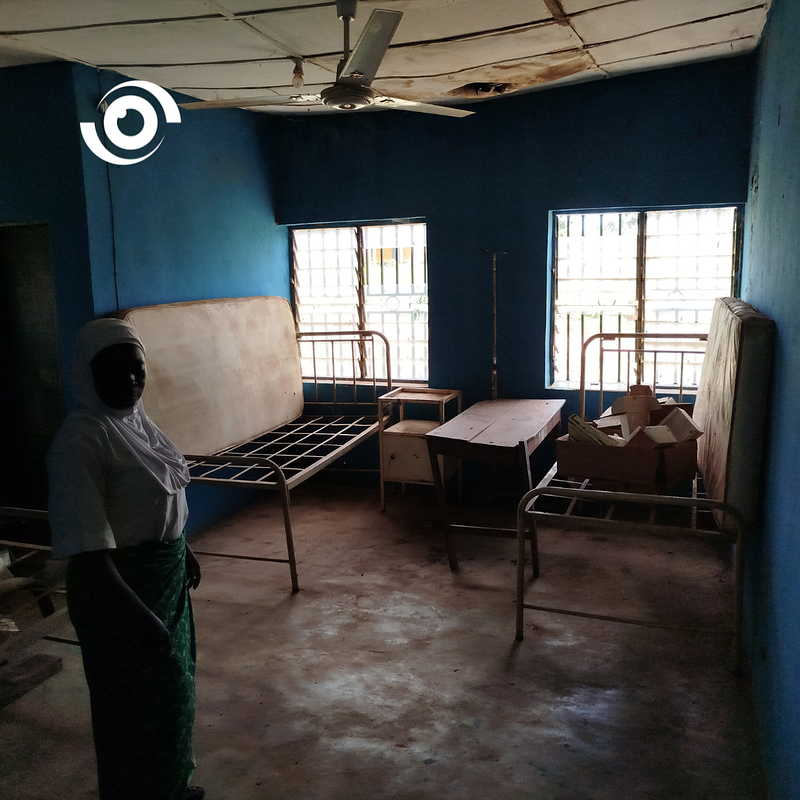
The PHC also lacks adequate staff, equipment, clean water, electricity, and perimeter fencing. For many pregnant women in this rural setting, these gaps leave them with no option but to seek help from Traditional Birth Attendants (TBAs), which often come with tragic consequences.
Salamatu Mohammed, a 32-year-old mother of five, lost two of her children after opting for home delivery. “There used to be two doctors here, but now there’s no one,” she said. “When we go there, we are either referred to Agaie General Hospital or sent back home. How are we supposed to cope?”
Women leader Hadisatu Audu also shared her struggle to mobilise women to the PHC: “They do not trust it anymore. What we need is more staff and proper equipment.”
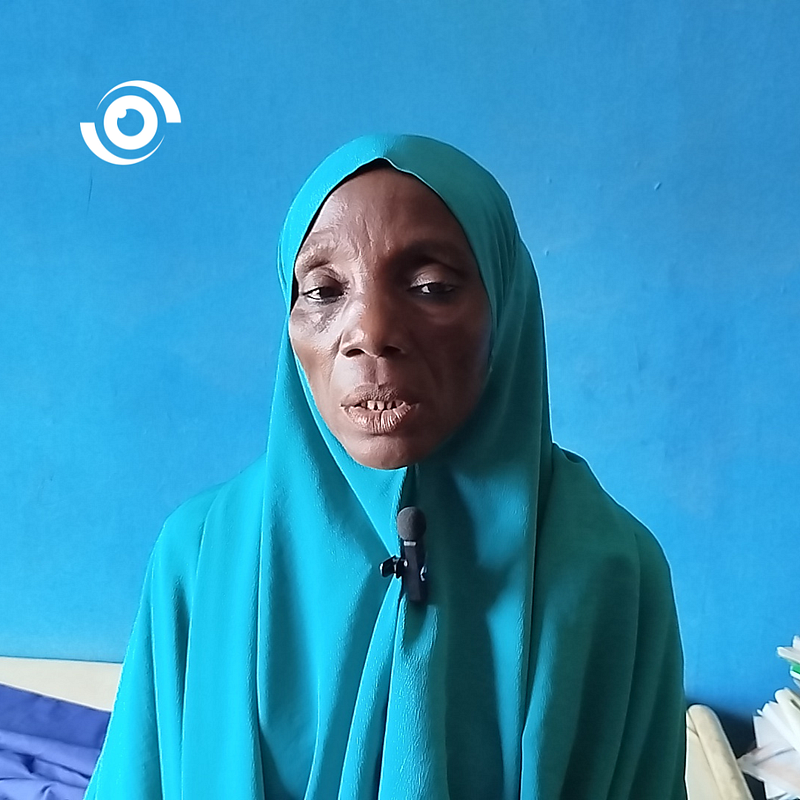
According to Aisha Bawa, Officer-in-Charge of the facility, “We do not have investigation equipment. No doctor, no midwife. Just four Community Health Extension Workers (CHEWs). Sometimes during labour, we ask nearby women to help us fetch water.”
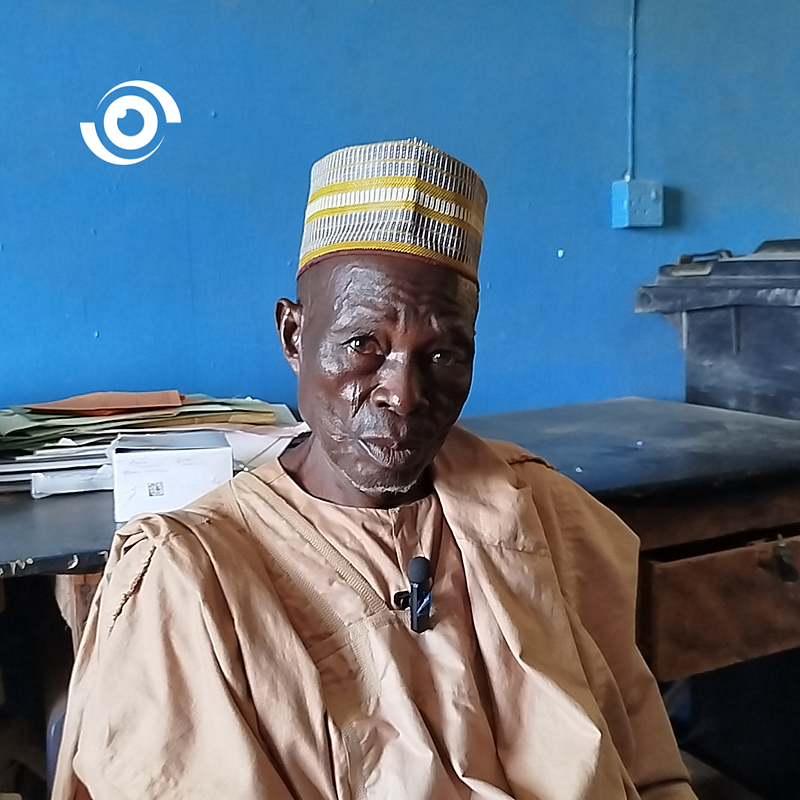
Abubakar Ahmadu, the Ward Development Chairman (WDC), acknowledged the community concerns, such as the preference for female health workers, lack of infrastructure and basic amenities.
The 2023-2026 Nigeria Health Sector Renewal Plan, particularly the second pillar, highlights the need for efficient, equitable, and quality healthcare systems.
The situation in Shaba Woshi reflects systemic neglect and underscores the urgency of revitalising PHCs as the cornerstone of maternal and child health. In line with the PHC revitalisation plan, the Shaba Woshi community are calling on the government and stakeholders to:
- Recruit qualified male and female health workers
- Renovate and equip the facility
- Install solar power and water supply
- Fence the facility to ensure safety and privacy
“Healthy mothers mean healthy communities,” Bawa noted. “With just a little help, this place can save lives.”
1 Comment