



Christopher Bassey and Timothy Kovonah (Lead writers)
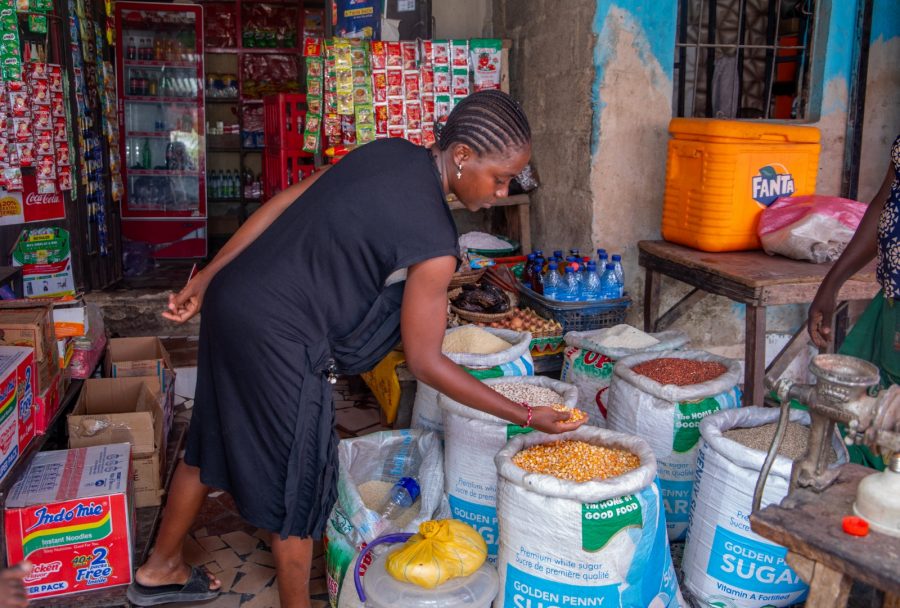
Food prices are reshaping what families eat, how they cook, and how they share meals, with direct implications for nutrition and health. In this photo essay, Nigeria Health Watch tracks one household in a peri-urban community in Abuja over the course of a day, tracing food decisions from market purchases and meal preparation to meal portioning, while examining how unpaid care work is balanced with earning an income.
Food inflation remained very high at 39% through late 2024 and, even after the consumer price index (CPI) rebasing in 2025, food inflation remained above 20% year-on-year in the early months of 2025. When food prices remain high for long periods, pregnant women in low-income households face a greater risk of poor diet quality, micronutrient deficiencies, and undernutrition. These are associated with maternal anaemia and poorer birth outcomes, including low birth weight.

To understand what these figures mean in daily life, Nigeria Health Watch followed a day in the life of Annabel, a pregnant small-scale trader, and her household in Kubwa, Abuja, to show how sustained food inflation affects nutrition, resilience, and the strain on low-income families, while pointing to gaps in how health, agriculture, and social protection systems respond. This reflects a wider national reality, where nearly 35 million people could face acute and severe food insecurity during the 2026 lean season.


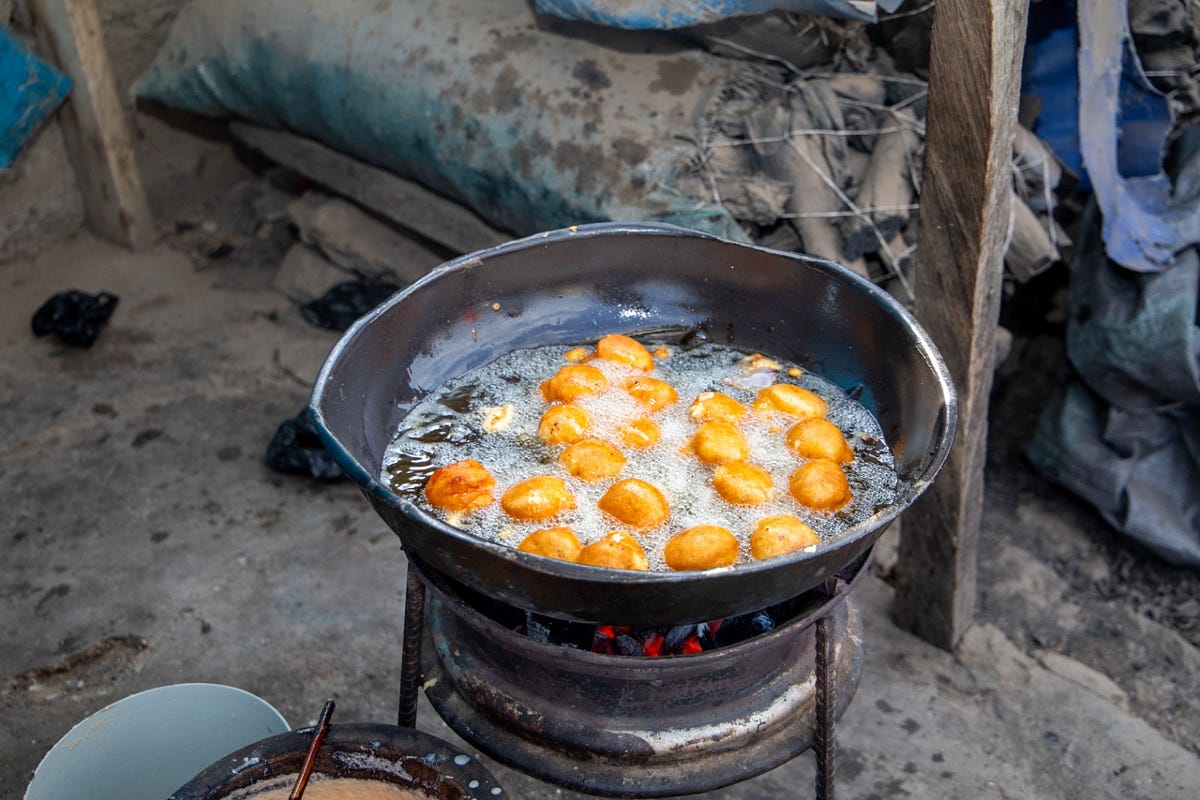
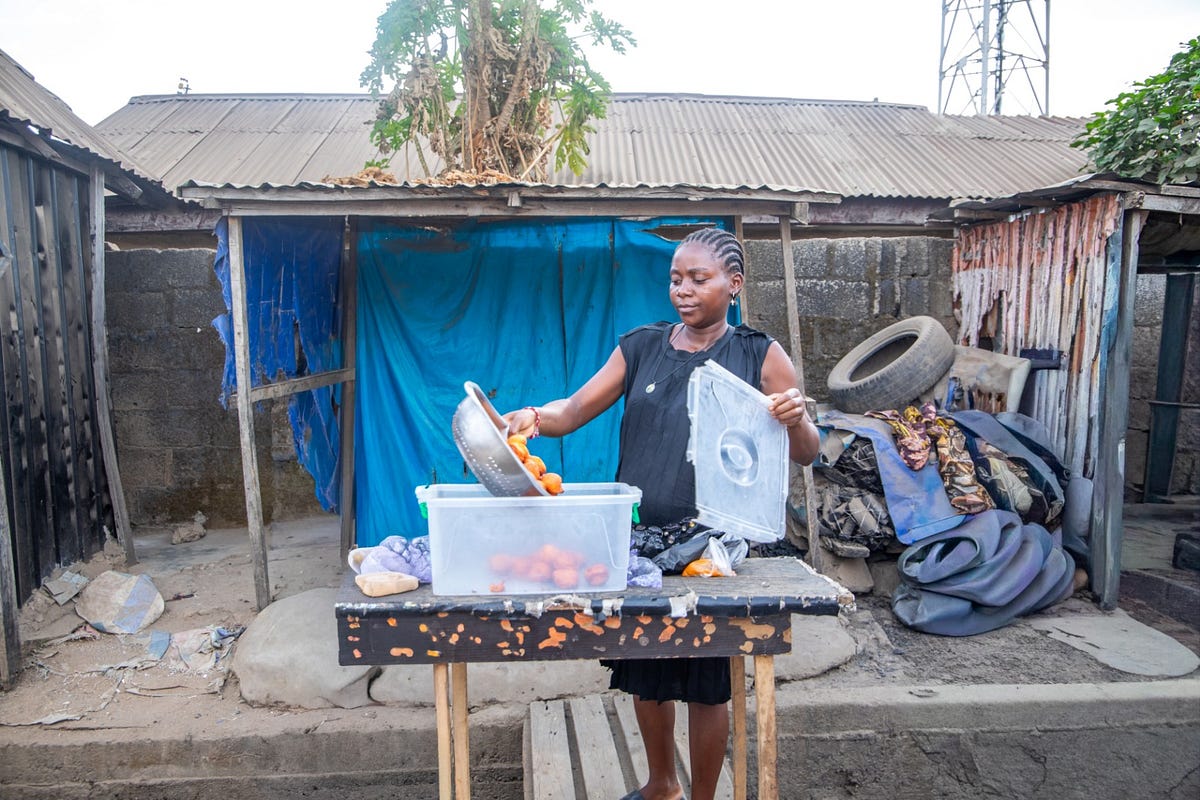
Annabel is a 30-year-old woman who lives in Kubwa, Abuja, with her husband and three children. She is a secondary school graduate and a small-scale trader who sells akara (fried bean cakes) in her community. Her income contributes to the household’s daily food and other routine expenses. Her daily routine combines income-earning work with unpaid care responsibilities at home. This is not a nationally representative study. It is a household-level case snapshot designed to surface the policy questions behind daily food choices during a period of high food prices. Annabel is in her second trimester and attends antenatal care (ANC) at a small private clinic in her community. She says she is taking iron and folic acid supplements, but no one at the clinic or during ANC visits has discussed what she should be eating during her pregnancy, and she has not received nutrition counselling. In practice, this means she is in contact with the health system, but without the guidance needed to translate maternal nutrition into everyday food choices on a tight budget.


At home, Annabel says her husband covers larger expenses, such as rent and school fees. She reports earning about ₦1,000 a day in profit from her akara business, but says a large share of that money goes towards repaying food bought on credit. Asked whether she is able to prioritise diet quality for herself and her youngest child, a three-year-old, she says, “I am only thinking of the money to buy any food that we can cook and eat.”
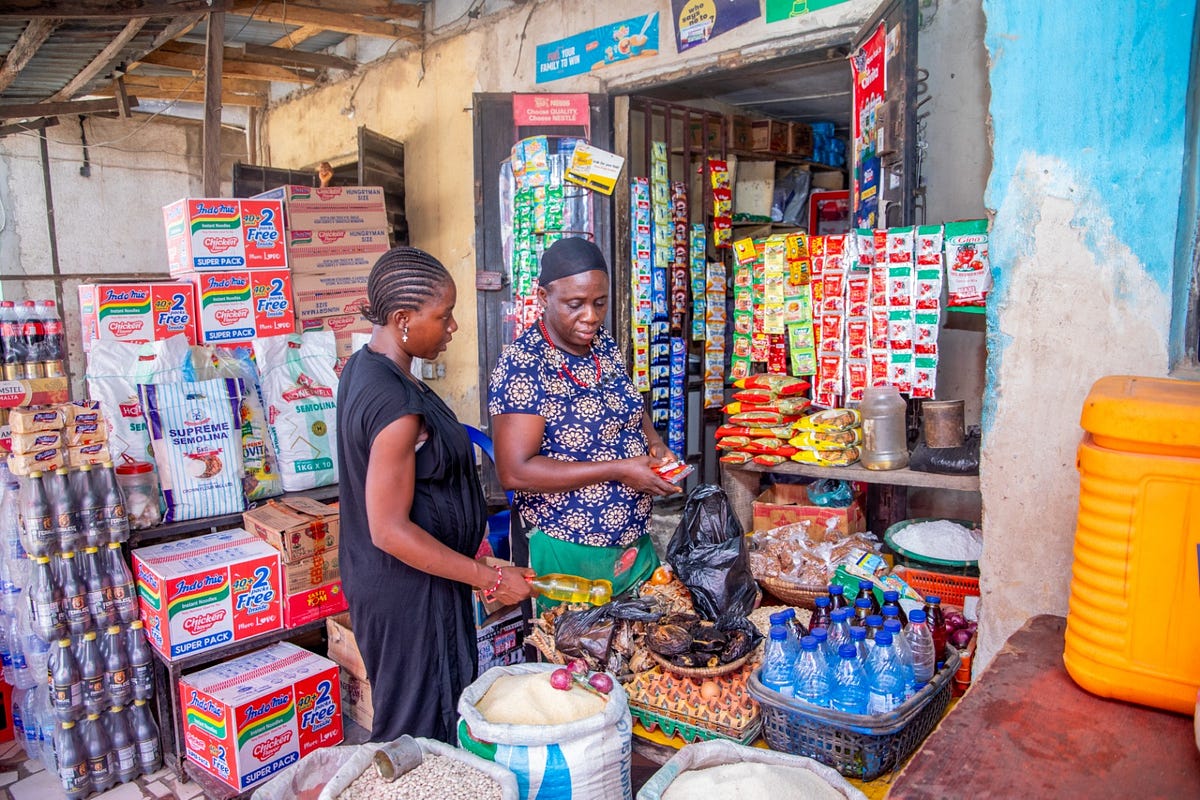
In Nigeria, food prices have risen sharply in recent years. The World Bank reports that the average price of food items most consumed by poor households increased fivefold between 2020 and 2024, while food price reports showed steep increases in key carbohydrate staples and protein sources such as beans, eggs, and yam. These pressures push households to switch to cheaper foods and reduce dietary variety.
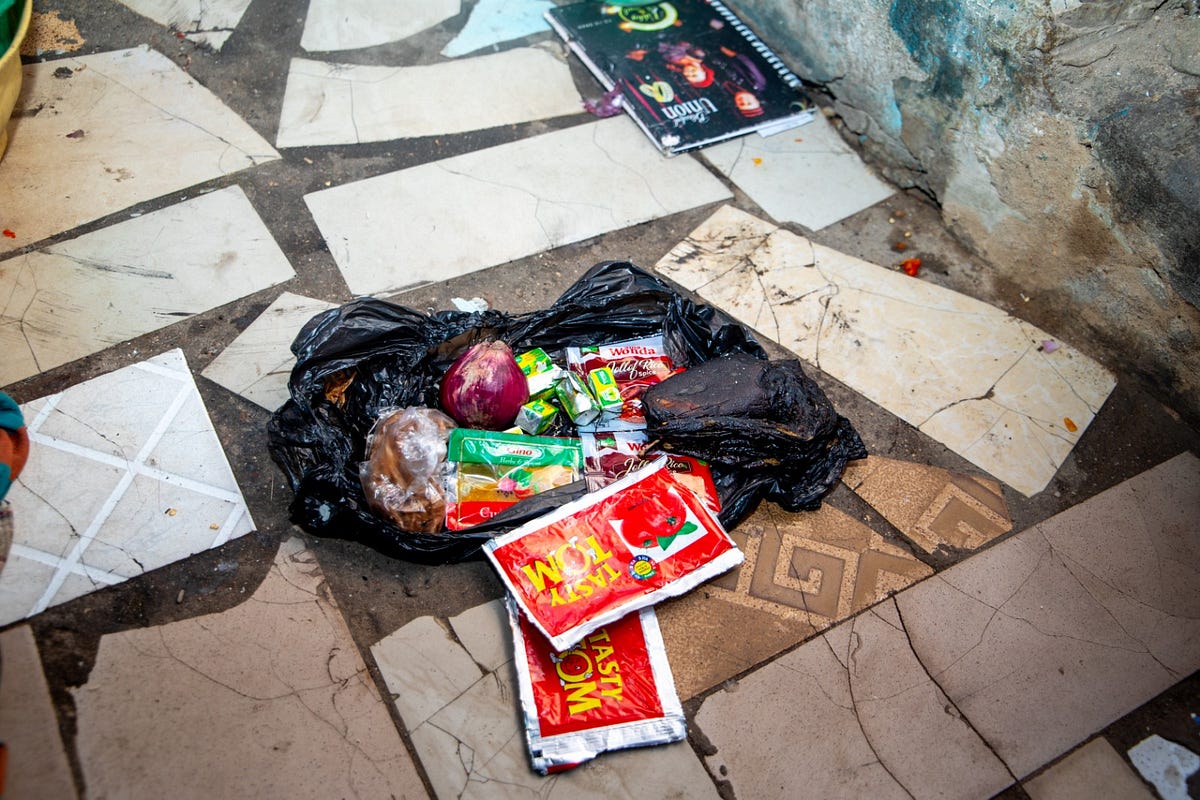
Image credit: Nigeria Health Watch
Beyond changing what families eat and how meals are shared, sustained food price pressure can reduce diet quality and dietary diversity, especially in low-income households. This raises the risk of nutrient inadequacy and micronutrient deficiencies among groups with higher nutritional needs, particularly pregnant women and children under five. Annabel’s household now depends more heavily on staples such as local rice, with fewer foods in rotation across the week. In practice, portions are guided less by appetite or nutritional need and more by what is available.
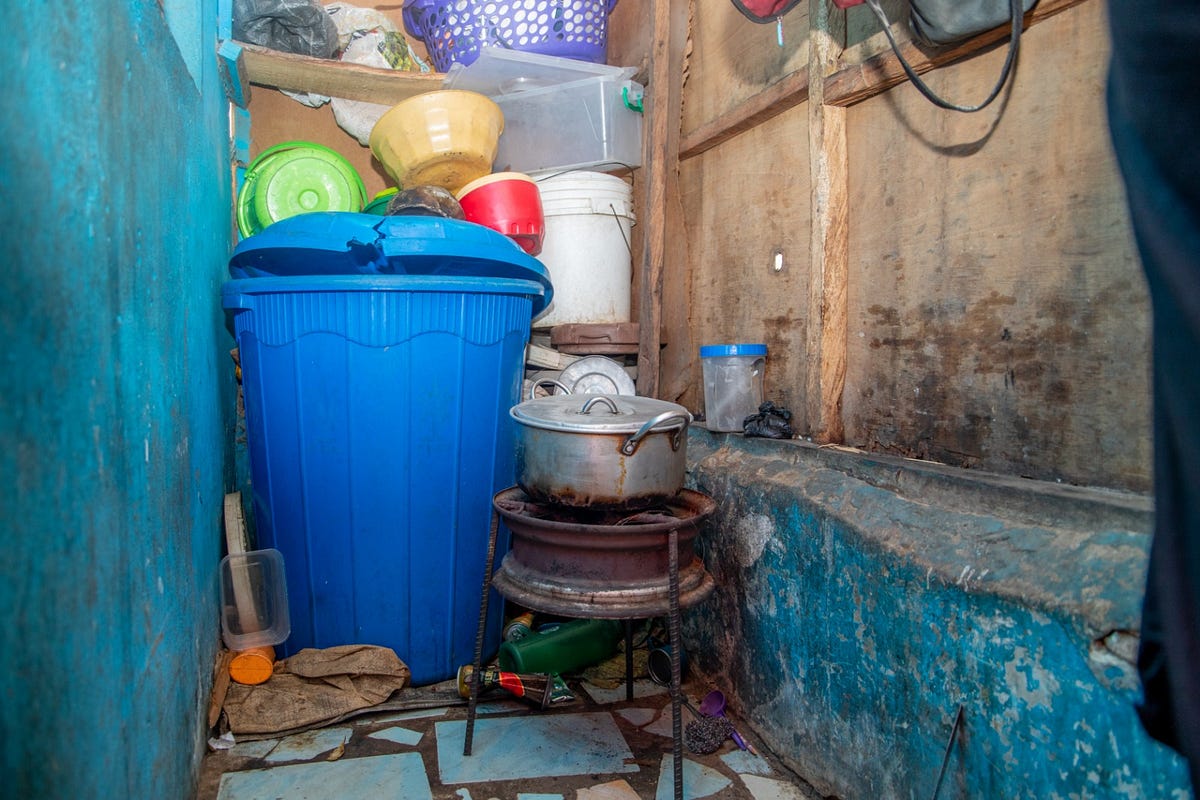
Annabel says that over the past year, the family has had to cut back on how often they eat foods like beans, spaghetti, and noodles. Instead, they now rely more on cheaper meals that can stretch to feed everyone, including swallow made from ground maize and cassava flour, paired with a simple soup of pepper, onions, and tozo (a fatty cut of beef).
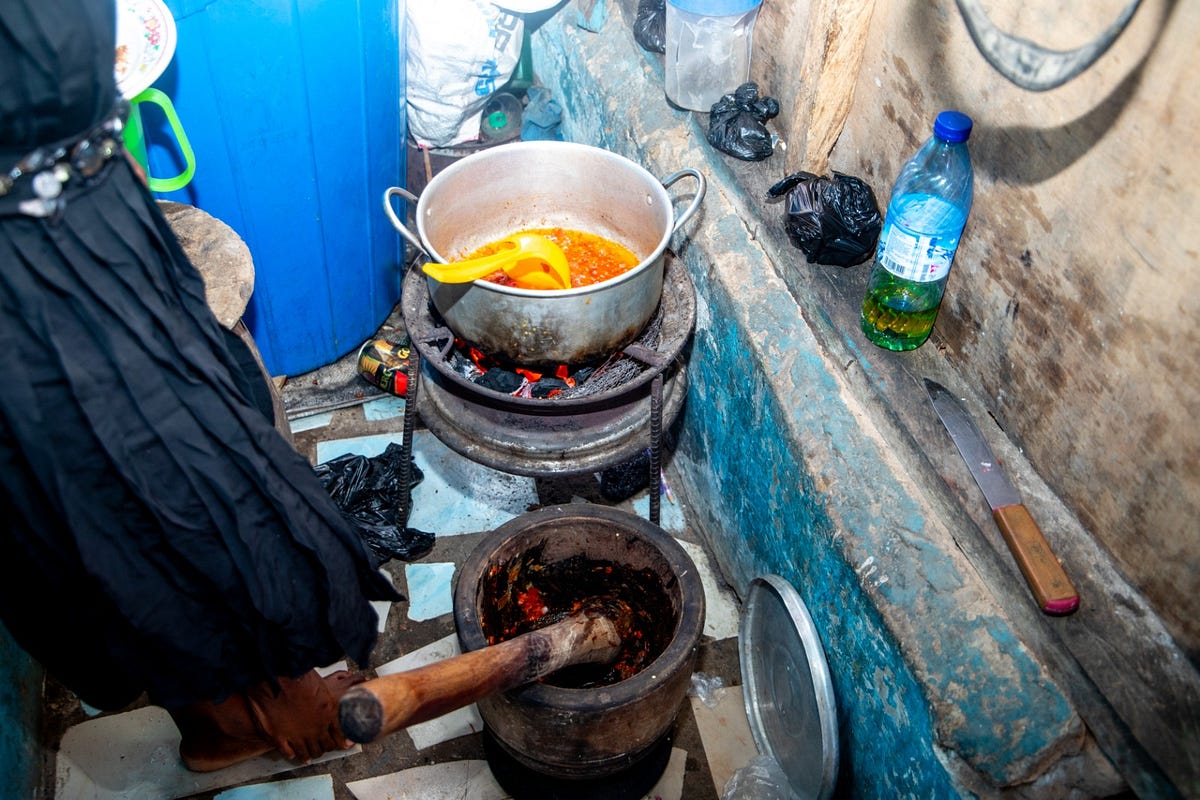
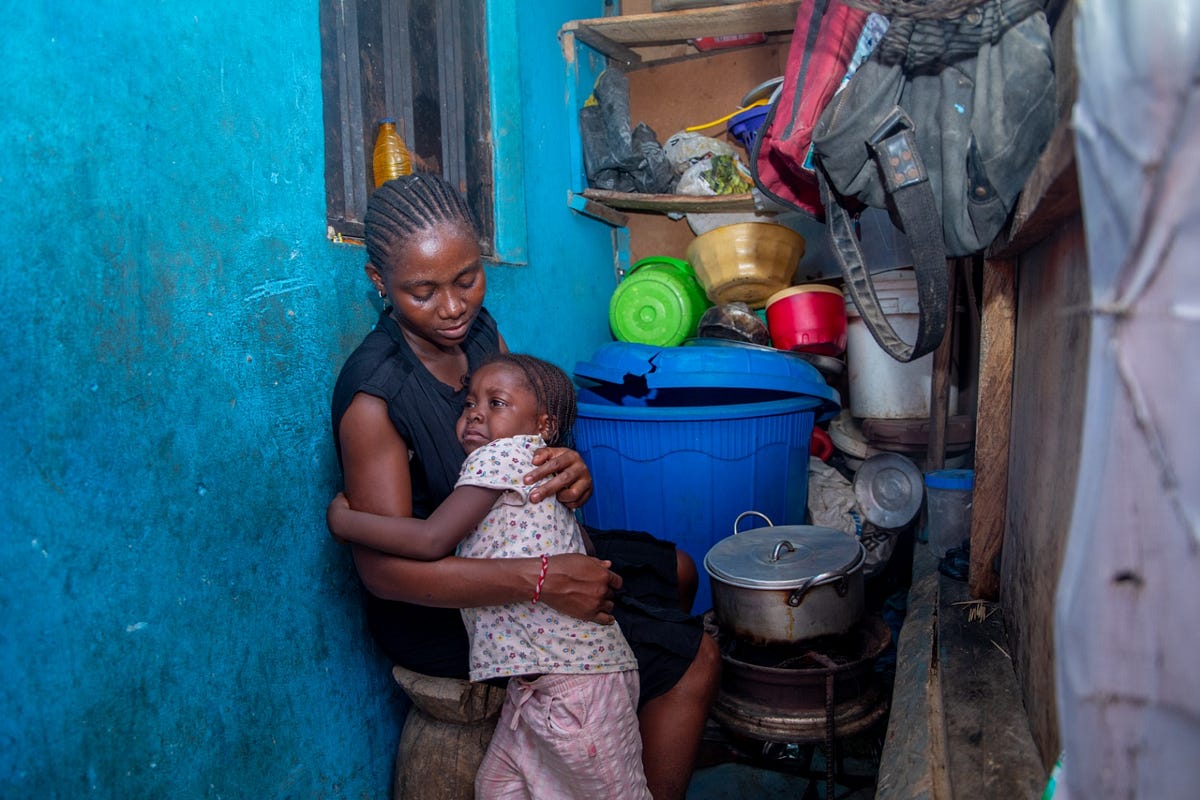

Annabel’s story points to a clear policy gap. When food prices rise faster than incomes, families prioritise affordability over dietary quality and sufficiency, with pregnant women and young children bearing the greatest burden. She attends ANC, yet does not receive practical nutrition counselling.

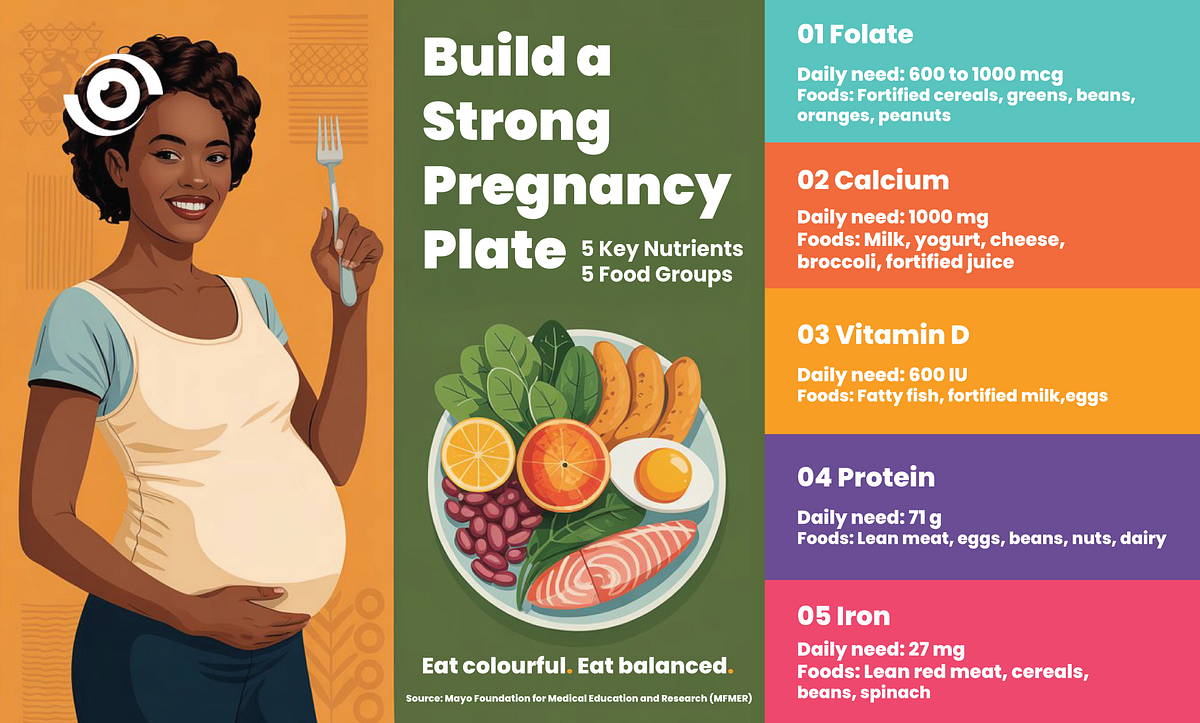
Families are adapting, and policy needs to respond with the same urgency and coordination. State and local governments should act first through primary healthcare and community systems. ANC and child health services should provide basic maternal and infant feeding counselling, ensure access to multiple micronutrient supplements (MMS), conduct nutrition risk screening, and offer realistic food advice based on what families can afford, including in small private clinics.
State and local governments should also expand shock-responsive social cash transfers or food support linked to health services. The federal government should set standards, finance and supply nutrition services, and hold systems accountable. No pregnant woman or young child should have their diet determined by inflation.