


The improvement at Shuwaki Primary Healthcare Centre (PHC) has offered hope for the community, but without 24-hour services, many patients are still left without receiving quality care.
Following a visit by Nigeria Health Watch in September 2024, key concerns were raised around poor infrastructure, lack of water, and inadequate staffing. For a level 2 facility in Kano State serving multiple communities, including Hugungumai, Unguwar Gartai, Dumbule, and Galadimawa, the gap between progress and access remains a daily struggle.


“Before, there was no water, and the building was falling apart. Now things are better,” explained the Officer-in-Charge, Muhammad Shuaibu Adamu.
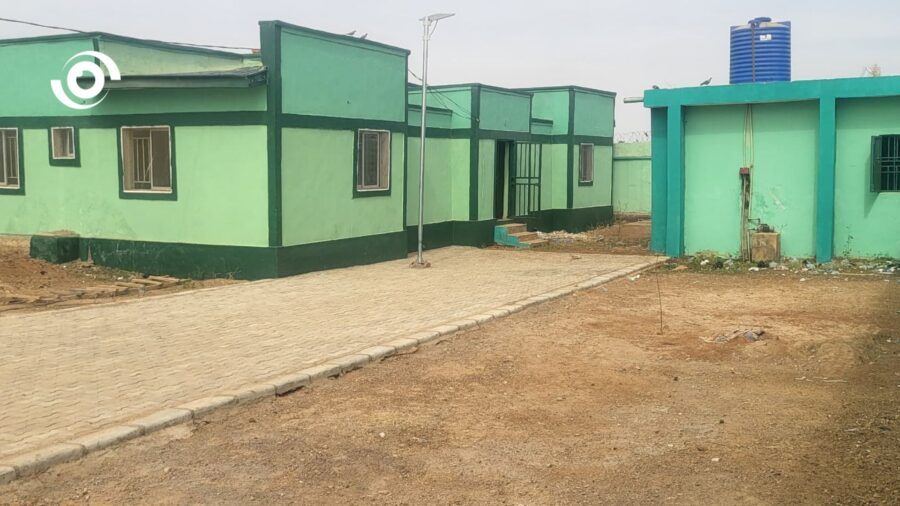
With support from the Immunisation Plus and Malaria Progress by Accelerating Coverage and Transforming Services (IMPACT) project, the facility has undergone renovations, improved water access, and expanded diagnostic services. However, despite these gains, the PHC still attends to over 300 antenatal clients monthly and about 400 outpatient cases, stretching its eight health workers.
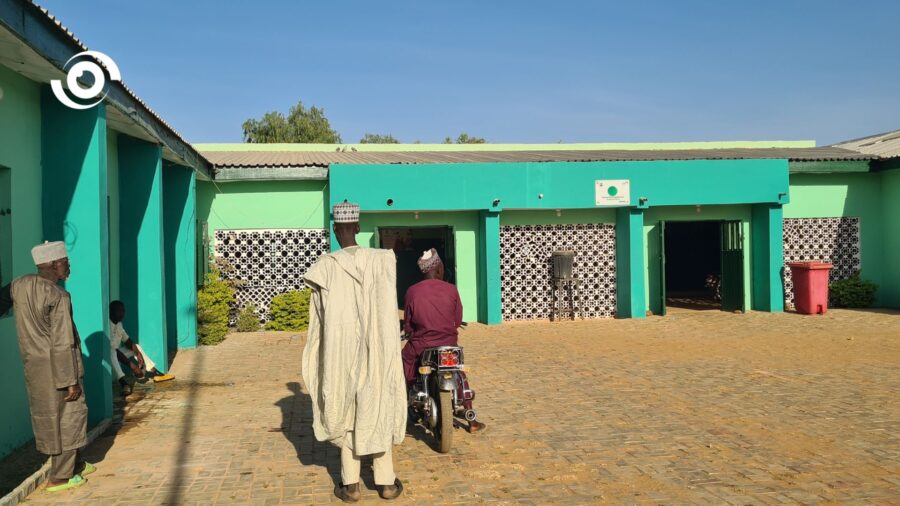
Image credit: Nigeria Health Watch
This shortage affects service delivery significantly. Immunisation lacks permanent staff, and only one person runs the laboratory. This workforce gap makes a 24-hour operation impossible, limiting access to timely care.
The distance from surrounding settlements and lack of reliable transport, especially for emergencies, remain barriers, particularly for pregnant women. “Recently, a patient needed urgent referral, but there was no ambulance. The officer had to use his personal car,” recounted Idris Sani Alhassan, a resident.
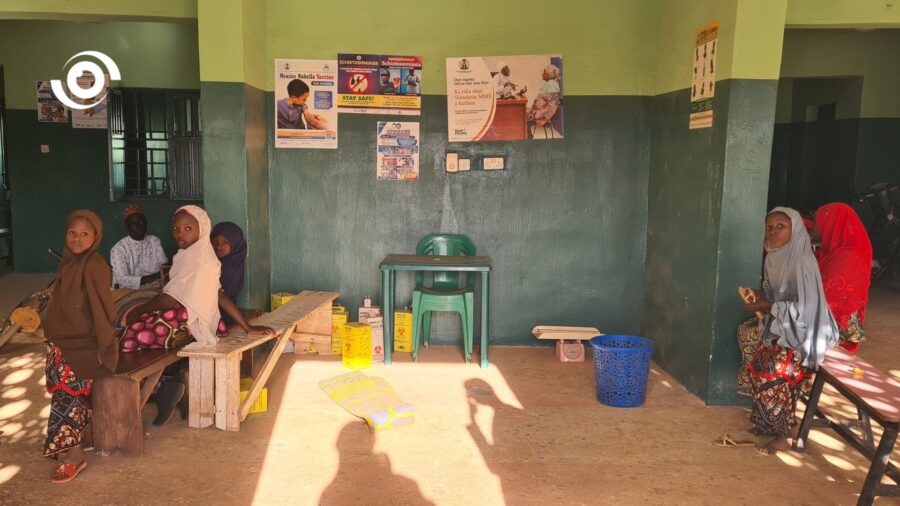
While infrastructure improvements have enhanced service quality, the shortage of skilled personnel and absence of an ambulance continue to undermine healthcare delivery. The reliance on temporary staff is unsustainable, and disparities in access persist across the catchment communities.
Although aligned with the Basic Health Care Provision Fund (BHCPF) goals, the facility still struggles to meet demand, especially for emergency and round-the-clock services.
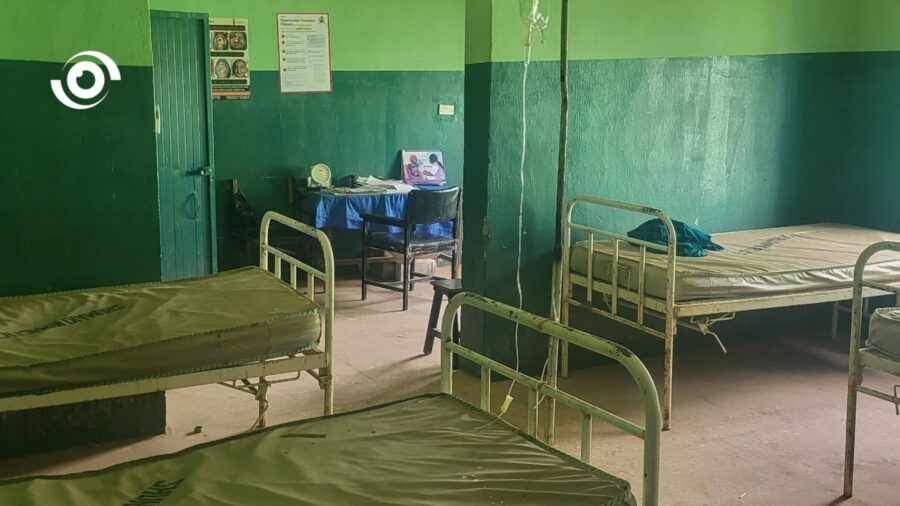
The progress at Shuwaki PHC reflects the progress of the second pillar of Nigeria’s Health Sector Renewal Investment Initiative (NHSRII), which prioritises equitable and quality healthcare. However, without adequate staffing and emergency transport systems, these gains remain incomplete.
Stakeholders must therefore prioritise:
- Recruitment of qualified health workers
- Provision of an ambulance for emergency referrals
- Sustained investment in PHC workforce and infrastructure
“Improvement is not enough,” Adamu, the OIC, reflected. “Without staff and emergency support, we cannot serve our people when they need us most.”