


Chinwendu Tabitha Iroegbu and Hadiza Mohammed (Lead writers)
Family planning is one of the most cost-effective health investments a country can make to reduce preventable maternal deaths, improve newborn and child survival, and strengthen families’ health and economic stability. Yet uptake and access in Nigeria remain uneven. Women and girls in rural and underserved communities often face barriers that go beyond service availability, including restrictive social norms, limited access to accurate information, and unequal decision-making power within households. Addressing these structural and social drivers is essential to ensuring that every woman can make informed choices about her reproductive health.
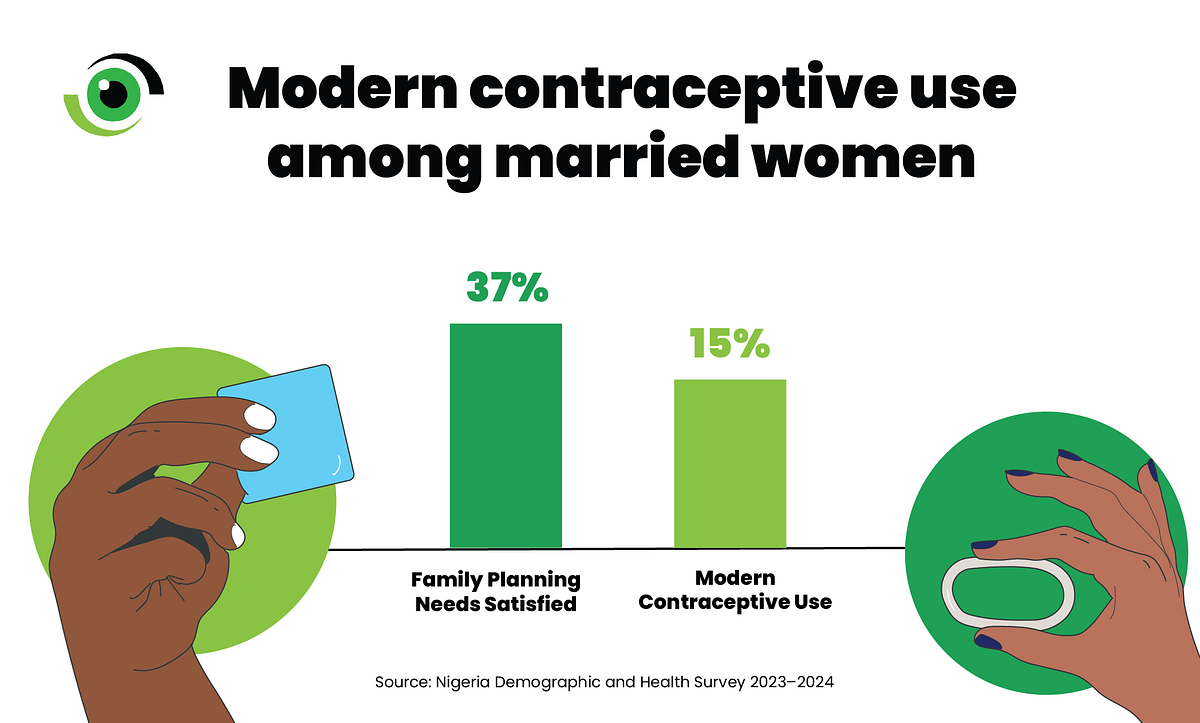
Modern contraceptive prevalence among married women in Nigeria remains around 15%, highlighting a persistently high unmet need. These numbers reflect everyday realities where women are navigating concerns about side effects, myths, and provider bias, often without access to trusted, stigma-free guidance or supportive services. Expanding access to quality services is critical, but uptake also increases when communities recognise contraception is not “women’s work”, but a shared household decision, supported by respectful counselling, informed choice and care that centres women’s preferences.

During a reporting visit to Enugu and Ebonyi States, Nigeria Health Watch observed encouraging signs of change. More couples were engaging in open conversations about child spacing, and more men were participating as supportive partners in reproductive health decisions. Supported by MSI Nigeria Reproductive Choices, the reporting included conversations with women, men, health workers, faith leaders, and other community stakeholders. What was clear from the interactions was that family planning outcomes improve when it is understood and practiced as a shared responsibility.
For Amadi Favour, a 35-year-old mother of three in Ebonyi State, the path looked different. After delivery, she chose a postpartum family planning method following counselling, with encouragement from her husband to space her pregnancies, allowing her to recover. “He told me to do it so that we can rest a little,” she said.
Although she initially had concerns because of rumours about contraception, her experience changed her mind. “What people are saying is not what I experienced. My body is okay. It has given me the rest I need.” She emphasised that the final decision was hers, and that follow-up support mattered.
Men as allies in child spacing and care
MSI Nigeria’s trained providers support rural primary health care (PHC) facilities by providing counselling and method choice. A provider at Abofia PHC in Ebonyi explained, “Many women first go home to discuss it with their husbands. When they return together, counselling is easier, and choices are better informed.” For years, many family planning efforts have focused primarily on women, even though partner support or opposition can significantly influence whether a woman initiates, continues, or discontinues a method. Evidence also shows that well-designed programmes that engage men can improve uptake and continuation, particularly when they protect women’s autonomy and safety and also prioritise informed choice.
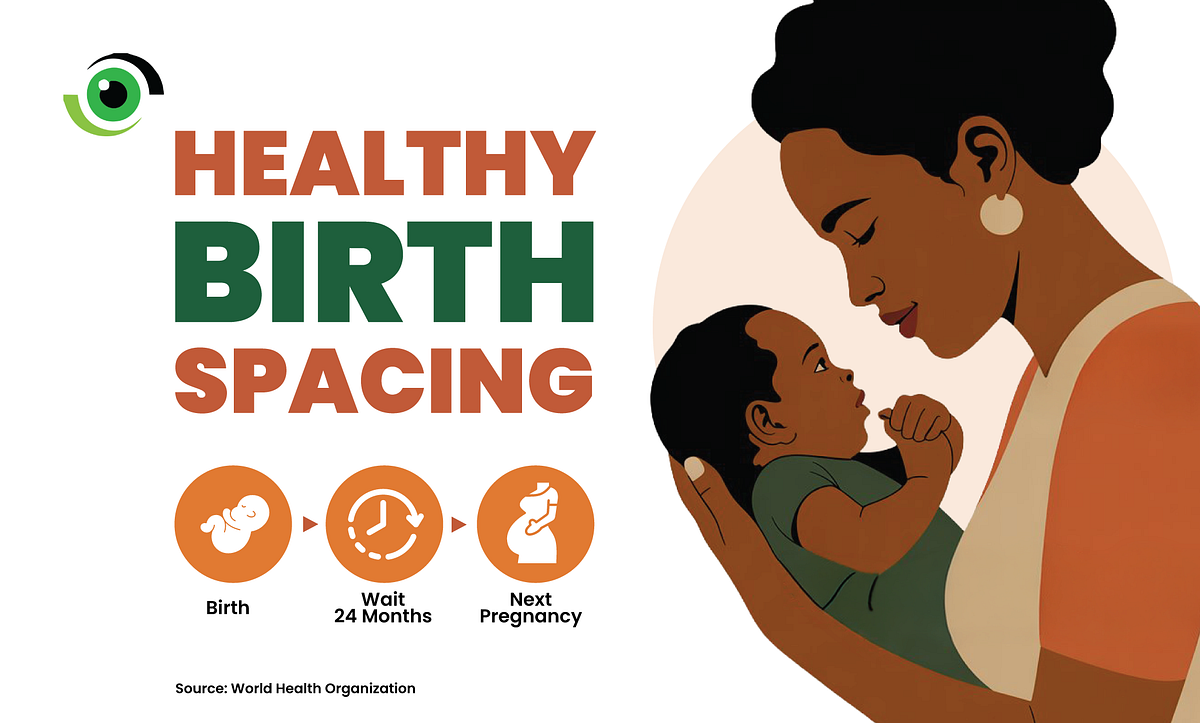
In both Enugu and Ebonyi States, many men described contraception not as a taboo topic, but as a practical decision that supports family wellbeing. One husband explained why he supports his wife’s use of contraception: “It gives a woman time to heal after childbirth. When pregnancies happen too close together, it can harm her health. Family planning keeps my wife healthy and helps her care for our children.” He also pointed to less financial strain, better spacing between children, and greater harmony at home. At the same time, several men also said they needed accurate information to address rumours about side effects and infertility. These perspectives matter. Evidence links short intervals between a live birth and the next pregnancy with increased risks for mothers and babies. Global guidance recommends waiting at least 24 months before attempting another pregnancy to reduce the likelihood of complications such as maternal anaemia and adverse birth outcomes. In addition, there is a risk of poorer child nutrition in some settings.
Working with faith leaders, not around them
Faith leaders can influence reproductive choices. In some settings, religious messaging can reinforce caution around contraception, while in others, it can build trust when there are open conversations about health and wellbeing. Reverend Rita Ifeyinwa Okpaku of the Women’s Wing of the Christian Association of Nigeria (CAN) in Ebonyi observed that some teachings discourage child spacing, even when leaders privately adopt it within their own families. “Some tell women to give birth until their eggs finish,” she said, pointing to tensions between public doctrine and lived realities.
Nigeria’s National Family Planning Blueprint acknowledges the influence of social and cultural norms, as well as myths, gender dynamics, service quality concerns, and supply challenges. Gaps in implementation appear in uneven community engagement, inconsistent counselling, and weak health systems that limit couples’ ability, especially in rural areas, to access and sustain a family planning method.
Building shared accountability
If Nigeria is to increase contraceptive uptake and accelerate progress toward maternal and child health goals, male engagement and partnership with faith communities need to move from rhetoric to sustained investment and routine practice. Evidence indicates that many well-designed programmes involving both men and women can improve contraceptive uptake and continuation, especially when they improve communication and support women’s autonomy in decision-making. Practical approaches include targeted outreach to men in workplaces, markets, faith settings, traditional institutions, and community events; strengthening access to couple-focused counselling in environments where women feel safe; and supporting trusted community voices with accurate information to address myths and promote informed choice.


Male engagement must not limit women’s autonomy. Programmes must prioritise women’s agency and include safeguards for confidentiality and actively mitigate risks related to gender-based violence. Unexpected allies are emerging. In Ebonyi State, a female police area commander has integrated family planning education into routine community engagements, creating a safer space for women and men to ask questions without fear of judgment and to receive referrals from nearby services. This kind of local leadership demonstrates what is possible when community influence, paired with accurate information and functional referral systems, can strengthen community-level access to care.
Family planning is fundamentally about protecting women’s health, preventing unintended pregnancies, and enabling families to plan and space births in ways that support their wellbeing. When decisions are informed and supported by respectful and reliable services, health outcomes improve, and households are better able to manage social and economic pressures.
The experiences from Enugu and Ebonyi highlight effective ways to strengthen fundamentals, such as improving the quality of counselling, supporting informed method choices, and ensuring consistent supplies. They also highlight the importance of sustained community engagement that involves men and faith leaders, while protecting women’s autonomy and decision-making.