

By Hajara Sambo
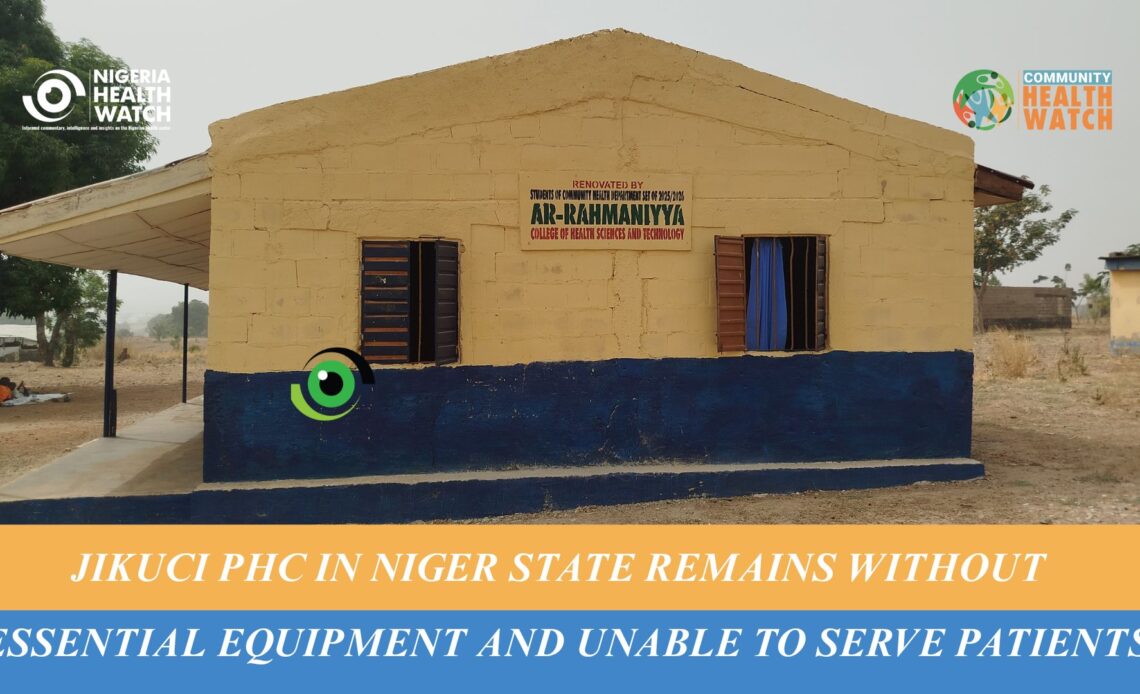
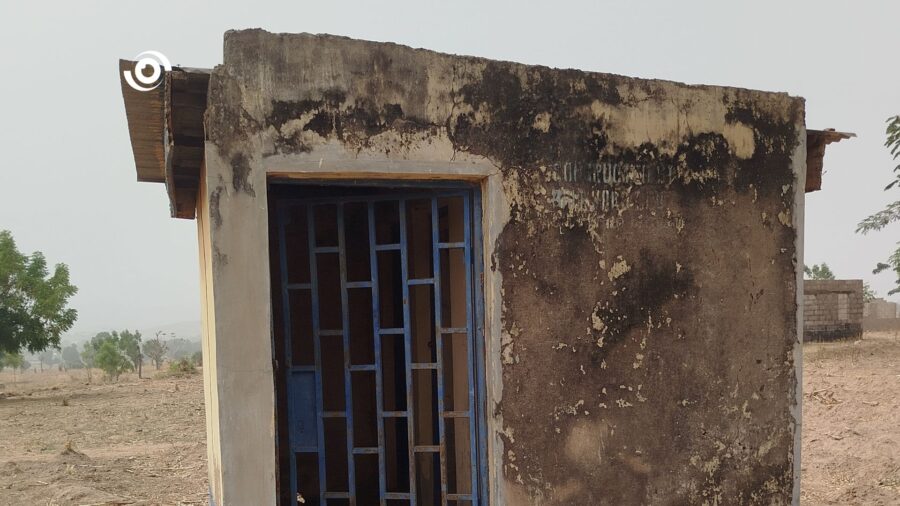
On the outside, Jikuci Primary Health Care (PHC) Centre looks like a promise fulfilled; fresh paint, repaired walls, and a renovated structure, but within, this modern-looking facility is empty.
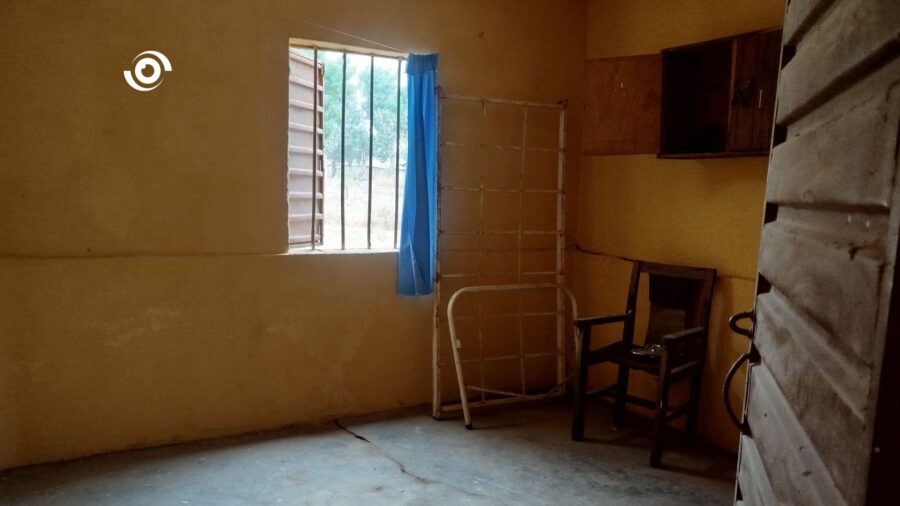
Women in labour still arrive with mats from home because there is only one bed to deliver their babies. Halira Sani, a resident of the community, explained that “we come here for immunisation and antenatal care, but when labour starts, we are told to bring mats from home because there is only one bed.”
Jikuci PHC is a level one health facility in Bosso Local Government Area (LGA) of Niger State serving as the closest healthcare option for communities such as Jikuci Gbagyi, Jikuci Fulani, Gbeganu, and Dwasha.
Renovated by students of Arahmaniya College of Health as a community intervention project, the facility was expected to improve access to basic healthcare for hundreds of residents. However, despite the facelift, the centre remains largely non-functional. Inside the clinic, Fati A. Umar, the Officer-in-Charge, paints an even bleaker picture. “We only have one bed and a few forceps. There is no water. I fetch from the borehole myself, and even the toilet is spoiled,” she said.
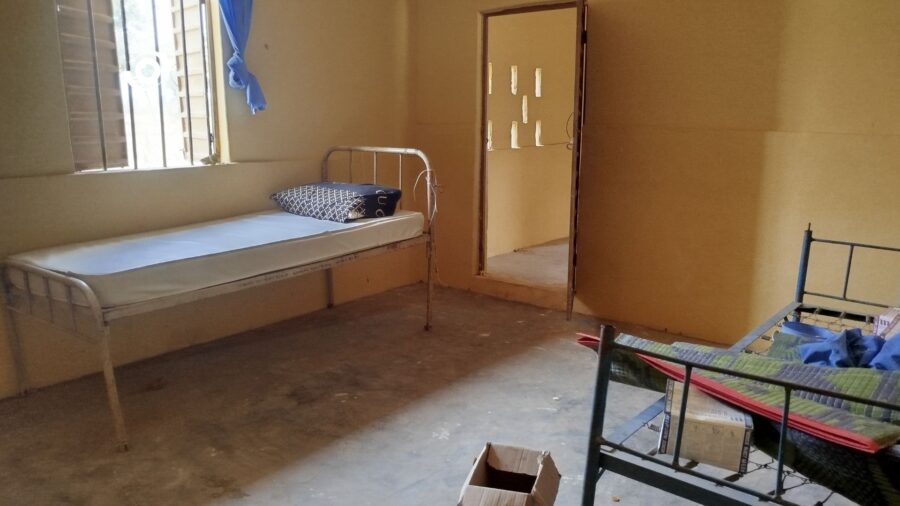
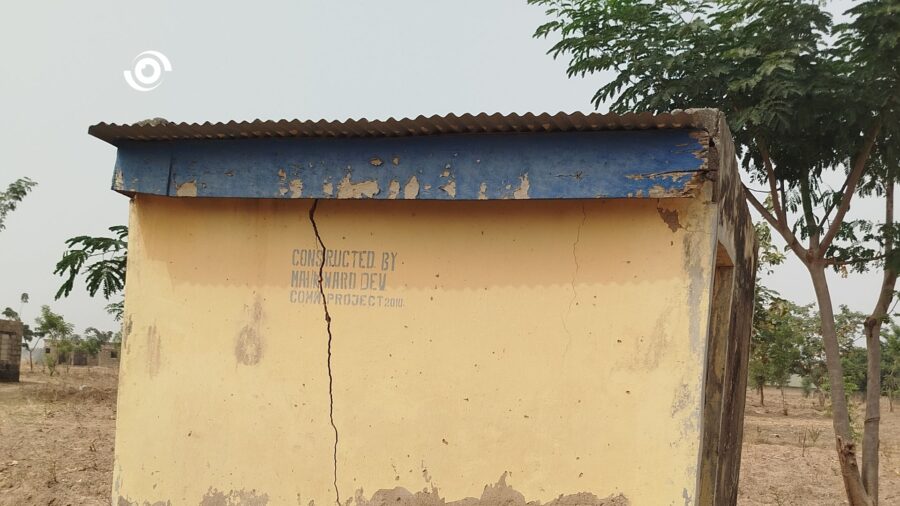
The PHC also does not operate at full capacity and is staffed by only two health workers and one volunteer who attend to patients for only six hours daily. There is no electricity, no running water, and no functional toilet system, making access to quality healthcare difficult, especially for pregnant women and children who depend on the facility for antenatal care and immunisation.
The poor state of Jikuci PHC forces many residents to travel long distances for treatment, while some women resort to home birth, increasing maternal and newborn risks.
The Nigeria’s Health Sector Renewal Strategic Plan, through its second pillar, prioritises revitalising PHCs by improving infrastructure, the workforce, and the quality of service delivery to ensure quality, efficient and effective health care systems.
Inadequate infrastructure directly affects maternal and child survival. Without water, electricity, and delivery equipment, infection prevention becomes difficult, emergency care is delayed, and staff morale suffers. Limited manpower also means reduced service hours and delayed response during emergencies. Jikuci PHC reflects the gap between policy ambition and community reality.
Residents are calling for the urgent provision of
- Solar power,
- Clean water,
- Medical equipment,
- Essential drugs, and more health workers to make the facility functional.
“What we need most now is electricity. If the government can provide solar, this place will truly serve our people,” noted Ward Head, Malam Bala Isa Jikuci.