

Hadiza Musa
For many residents in Getso, Gwarzo Local Government Council, Kano State, the silence of the Ward Development Committee (WDC) has become as troubling as the health challenges they face, raising questions about who is truly speaking for the community’s health needs.
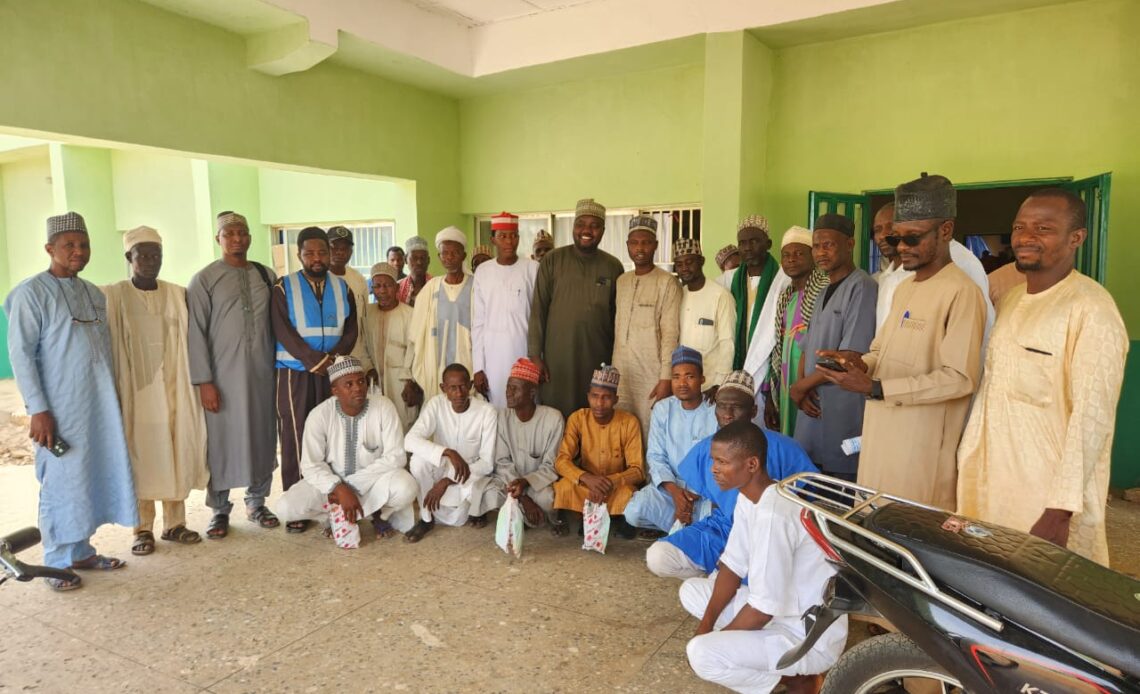
These concerns were raised during a community town hall meeting and scorecard assessment organised by Nigeria Health Watch in partnership with Akin Savvy in March 2026. According to Hon. Husaini Ahmad Getso, the councillor representing Getso ward, “I have spent one year and five months as a councillor, but I still do not know the actual work of the WDC here. Even traditional leaders are left out.”
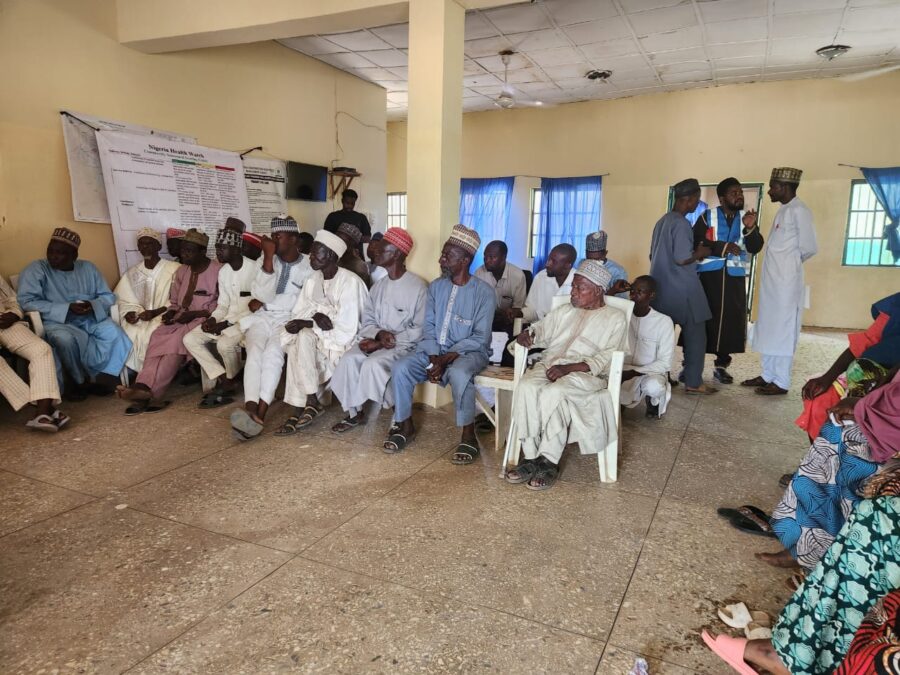
Getso Primary Health Care Centre (PHC), located in Gwarzo Local Government Area (LGA) of Kano State, is a Level 2 facility that serves over 10 surrounding communities, including Lahadin Kara, Dan Tasau, Sabon Birni, and Hawan Ganji, including pregnant women, children, and vulnerable residents.
While the PHC operates for 24 hours with about 21 staff, including support staff and security personnel, attending to hundreds of patients monthly, concerns around governance and service delivery persist. Community members noted that the WDC, which should serve as a bridge between the people and the health facility, has become inactive and disconnected from the people it represents.
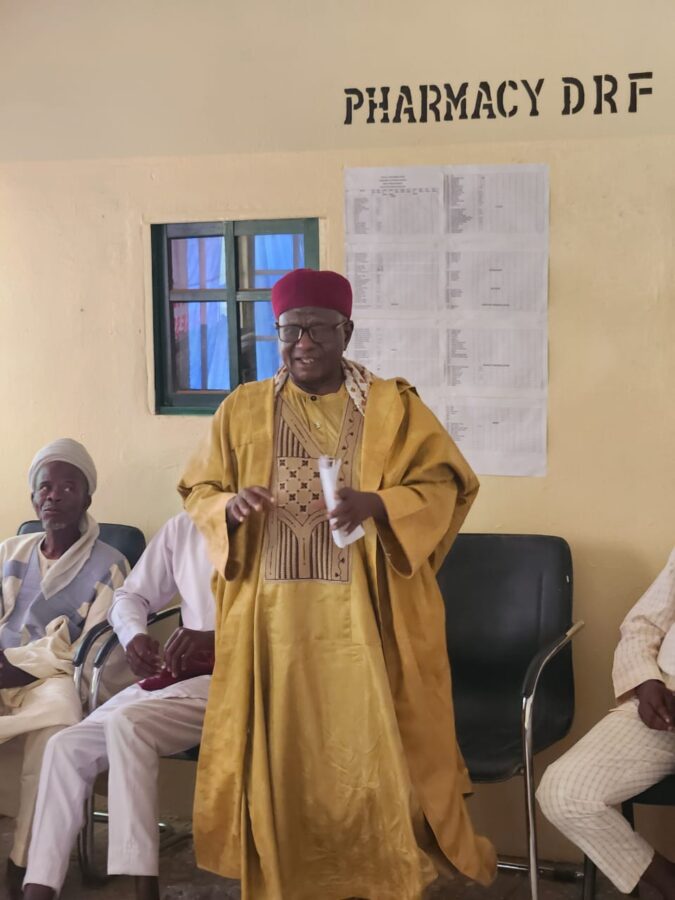
The Community Leader of Getso, Bello Ibrahim Getso, explained that although he is officially a member of the WDC, he has not been invited to any meetings in over two years. “The committee exists, but honestly, I do not know what we are doing.”
The scorecard assessment also revealed critical gaps, which include drug shortages, lack of running water, and poor record management, all affecting quality care delivery.
The Officer-in-Charge, Siba Alhassan, corroborated this concern, adding that while there are 18 health workers, the workload remains overwhelming. “The number of patients keeps increasing. We need more hands,” she said.
Getso’s reality shows that revitalising PHCs, which is part of Nigeria’s Health Sector Renewal Investment Initiative (NHSRII), must go beyond infrastructure to ensure functional community accountability systems like the WDC.
The community is therefore calling for:
- Functional WDC
- Additional health workers in the PHC,
- Essential drug supply, and
- Running water
“A health centre can operate all day, but without accountability and community trust, access to care remains inadequate,” says Bello Ibrahim Getso.